
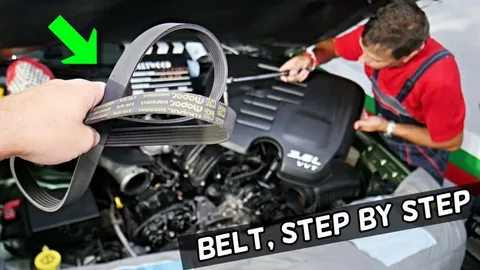
The drive belt is one of the most important yet often overlooked components of a vehicle’s engine system. Responsible for powering essential accessories such as the alternator, air conditioning compressor, water pump, and power steering pump, the drive belt plays a crucial role in ensuring smooth vehicle operation. When the drive belt becomes worn, dry, or damaged, drivers may experience squealing noises, reduced performance, or even unexpected breakdowns.
Many vehicle owners search for information about car drive belt lubrication because they notice unusual belt noises or want to extend the lifespan of their vehicle’s belt system. While proper maintenance is essential, understanding when and how lubrication should be used is equally important.
In this comprehensive guide, we’ll cover everything you need to know about car drive belt lubrication, including its purpose, benefits, warning signs, maintenance tips, and best practices for keeping your vehicle running smoothly.
What Is a Car Drive Belt?
A car drive belt, often referred to as a serpentine belt or accessory belt, is a reinforced rubber belt that transfers power from the engine’s crankshaft to various engine accessories.
The drive belt helps operate:
- Alternator
- Air conditioning compressor
- Power steering pump
- Water pump
- Cooling fan
- Air pump in some vehicles
Without a properly functioning drive belt, many critical vehicle systems would stop working, potentially leaving you stranded on the road.
Why Is Drive Belt Maintenance Important?
The drive belt is constantly exposed to heat, friction, moisture, dirt, and engine vibrations. Over time, these factors can cause the belt to wear out, crack, stretch, or lose efficiency.
Regular maintenance offers several benefits:
Prevents Unexpected Breakdowns
A failed drive belt can instantly disable essential engine accessories, causing serious drivability issues.
Improves Engine Efficiency
A properly maintained belt ensures smooth operation of engine-driven components.
Reduces Repair Costs
Routine inspections and maintenance can help identify issues before they become expensive repairs.
Extends Component Lifespan
Proper belt maintenance reduces stress on pulleys, bearings, tensioners, and accessory systems.
Enhances Driving Comfort
A healthy belt system helps maintain reliable power steering and air conditioning performance.
Understanding Car Drive Belt Lubrication
When drivers hear a squealing or chirping noise from the engine compartment, many assume the belt needs lubrication. However, modern drive belts are designed differently than older belt systems.
Most modern serpentine belts do not require traditional lubrication with oils or grease. In fact, applying oil-based lubricants directly to the belt can often cause more harm than good.
However, certain belt conditioning products and maintenance procedures may be used in specific situations to address minor noise issues temporarily.
Common Causes of Drive Belt Noise
Before considering lubrication, it is important to identify the root cause of belt noise.
Worn Belt Surface
Over time, belts lose flexibility and develop a glazed surface that can cause slipping.
Improper Belt Tension
A loose belt may slip against pulleys and create squealing sounds.
Misaligned Pulleys
Pulley alignment issues can cause uneven belt wear and noise.
Dirt and Debris
Dust, oil contamination, and road grime can affect belt performance.
Damaged Belt Tensioner
A faulty tensioner may fail to maintain proper belt tension.
Moisture Exposure
Rain, humidity, or coolant leaks can temporarily affect belt traction.
Signs Your Drive Belt Needs Attention
Recognizing warning signs early can prevent more serious problems.
Squealing Noise During Startup
A high-pitched squeal when starting the engine often indicates belt wear or tension issues.
Visible Cracks
Cracks on the belt surface suggest aging and deterioration.
Frayed Edges
Fraying indicates excessive wear or pulley misalignment.
Glazing
A shiny belt surface can reduce traction and increase slipping.
Loss of Accessory Function
Weak power steering or charging issues may indicate belt-related problems.
Dashboard Warning Lights
Alternator-related warning lights may appear if the belt is slipping.
Can You Lubricate a Drive Belt?
This is one of the most frequently asked questions by vehicle owners.
The answer depends on the type of belt and the specific issue being addressed.
Why Traditional Lubrication Is Not Recommended
Applying oil, grease, or penetrating lubricants directly to a modern serpentine belt can:
- Cause belt slippage
- Attract dirt and debris
- Damage rubber compounds
- Reduce belt lifespan
- Create additional maintenance problems
Modern belts are engineered to operate without oil-based lubrication.
When Belt Conditioning Products May Help
Some technicians use specialized belt dressing products designed specifically for automotive belts.
These products may:
- Reduce temporary belt noise
- Improve grip
- Protect against drying and cracking
However, belt dressing should not be considered a permanent solution to underlying mechanical issues.
Benefits of Proper Drive Belt Care
Instead of focusing solely on lubrication, proper maintenance delivers greater long-term benefits.
Longer Belt Life
Routine inspections help identify wear before failure occurs.
Improved Engine Performance
Efficient belt operation supports accessory performance.
Reduced Noise
Addressing tension and alignment issues eliminates most belt-related sounds.
Better Fuel Economy
A properly functioning accessory drive system reduces engine strain.
Increased Reliability
Well-maintained belts are less likely to fail unexpectedly.
How to Inspect a Drive Belt
Regular inspections can help detect problems early.
Step 1: Turn Off the Engine
Always inspect belts with the engine off and cool.
Step 2: Check Belt Condition
Look for:
- Cracks
- Fraying
- Missing ribs
- Glazing
- Excessive wear
Step 3: Inspect Pulleys
Ensure pulleys rotate smoothly without wobbling.
Step 4: Check Belt Tension
The belt should feel firm and properly tensioned.
Step 5: Listen for Unusual Sounds
Start the engine and listen for squealing, chirping, or grinding noises.
How Often Should a Drive Belt Be Replaced?
Replacement intervals vary depending on vehicle type and driving conditions.
General guidelines suggest:
- Inspection every 30,000 miles
- Replacement between 60,000 and 100,000 miles
Always follow your vehicle manufacturer’s recommendations.
DIY Drive Belt Maintenance Tips
Vehicle owners can perform several preventive maintenance tasks.
Keep the Engine Bay Clean
Removing dirt and debris helps protect belt components.
Fix Fluid Leaks Promptly
Oil and coolant leaks can damage belt materials.
Monitor Belt Condition
Inspect belts during routine oil changes.
Replace Worn Components
Faulty tensioners and pulleys should be replaced immediately.
Follow Maintenance Schedules
Routine maintenance helps prevent premature wear.
Professional Drive Belt Service
While basic inspections can be performed at home, professional service provides additional benefits.
Technicians can:
- Check pulley alignment
- Measure belt tension
- Identify hidden wear
- Inspect accessory bearings
- Replace related components
Professional inspections help ensure long-term reliability.
Cost of Drive Belt Maintenance and Replacement
The cost depends on vehicle type and labor rates.
Drive Belt Inspection
Typically ranges from:
$20 to $80
Drive Belt Replacement
Most vehicles cost between:
$80 and $300
Luxury vehicles and complex engine designs may cost more.
Frequently Asked Questions
Does Drive Belt Lubrication Stop Squealing?
Temporary belt dressing products may reduce squealing, but proper diagnosis is necessary to fix the root cause.
Can WD-40 Be Used on a Drive Belt?
No. WD-40 and similar oil-based products are not recommended because they can damage the belt and cause slippage.
How Long Does a Drive Belt Last?
Most modern drive belts last between 60,000 and 100,000 miles under normal driving conditions.
What Happens If a Drive Belt Breaks?
A broken belt can disable critical systems such as the alternator, water pump, power steering, and air conditioning.
Is Belt Dressing Safe?
Products specifically designed for automotive belts can be used according to manufacturer instructions, but they should not replace proper repairs.
Final Thoughts
Car drive belt lubrication is a topic that often creates confusion among vehicle owners. While traditional lubrication is generally not recommended for modern serpentine belts, proper belt maintenance remains essential for reliable vehicle performance. Regular inspections, timely replacements, proper tension adjustment, and addressing underlying issues can significantly extend belt life and prevent costly repairs.
By understanding how your vehicle’s drive belt system works and following recommended maintenance practices, you can improve engine efficiency, reduce noise, and enjoy a safer, more dependable driving experience for years to come.