If you’ve ever stood in a garage parking lot staring at two cars — one glossy with a fresh paint job, the other wrapped in a sharp matte finish — and wondered which one made the smarter choice, you’re not alone. This is probably the single most common question we hear at our workshop counter. Customers walk in almost every week asking the same thing: car wrap vs paint, which is actually better for my car?
After years of working on hundreds of vehicles at Marwat Garage in Ajman and Sharjah, we’ve seen this debate from every angle — the guy who wrapped his car to flip it for resale, the family that repainted their SUV after years of sun damage, the enthusiast who wanted a color-changing wrap just for looks. There’s no single right answer, but there is a right answer for your specific car, your budget, and how long you plan to keep the vehicle. This article breaks down everything you need to know before deciding between a wrap and a full respray, based on real jobs we’ve handled, not just theory.
Understanding the Basics Before the Car Wrap vs Paint Debate
Before jumping into car wrap vs paint, it helps to understand what each option actually involves, because a lot of customers assume they’re doing the same job in a different way. They’re not.
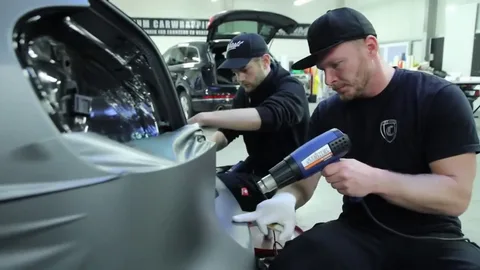
Vinyl wrap is a thin, adhesive-backed film applied directly over your car’s factory paint. Skilled installers heat the material, stretch it around curves, and trim it precisely along panel edges. A good automotive wrap installation can completely transform a car’s look — from color-changing satin finishes to chrome deletes and full-body graphics — without ever touching the metal underneath.
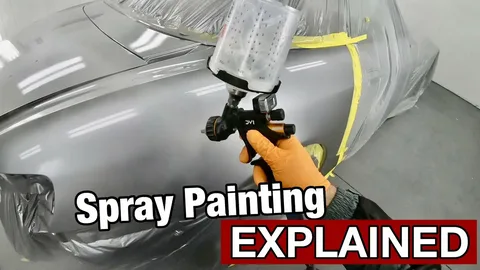
Paint, on the other hand, is a permanent chemical process. The old finish is sanded, primer is applied, and multiple coats of paint and clear coat are sprayed and cured. A professional paint job actually bonds with the vehicle’s body panels rather than sitting on top of them like a wrap does. This is the core difference that shapes almost every other factor in the car wrap vs paint decision — cost, durability, resale value, and how the car feels years down the line.
Car Wrap vs Paint: The Real Comparison
Let’s get into the details that actually matter when you’re deciding between car paint vinyl wrap and a traditional respray.
1. Cost
This is usually the first question customers ask us. In most cases, a full vinyl wrap costs less than a complete respray, especially if you’re going for premium paint colors or multi-stage finishes like pearl or candy paint. A basic wrap job is generally more affordable than custom car paint work, particularly because paint requires more labor hours, more preparation, and more curing time in a controlled booth.
That said, cost isn’t just about the upfront number. High-end wrap films — the kind used for color-shifting or textured finishes — can actually rival premium paint pricing. So when people ask “is it cheaper to paint or wrap,” our honest answer is: it depends on the finish quality you want, not just the material itself.
2. Durability and Lifespan
This is where the car wrap vs paint conversation gets interesting. Wrap lifespan typically ranges from three to seven years, depending on the film quality and how well the car is maintained. Sun exposure, especially in a hot climate, can shorten this window because UV rays gradually break down the adhesive and fade the vinyl.
A professional paint job, especially one finished with a good clear coat, can last well over a decade with proper care. Paint is baked into the vehicle’s surface, so it doesn’t peel at the edges or bubble the way a wrap sometimes can if it wasn’t installed correctly. If long-term durability is your top priority, paint generally wins this round of car wrap vs paint. But if you like changing your car’s look every few years, wrap durability is more than enough for that lifestyle.
3. Appearance and Finish Options
Both options offer a wide range of looks. With vinyl wrap, you get access to finishes that are genuinely hard to replicate with liquid paint — brushed metal textures, matte finish colors that shift under light, and satin chrome effects. Vehicle exterior finish options in the wrap world have expanded massively over the last decade.
Paint still holds an edge in one area though: depth. A well-applied gloss finish paint job, especially with multiple clear coats, has a richness and shine that most people say still looks slightly more premium than a wrap, particularly up close. If you’re chasing that deep, glassy OEM paint look, a respray is usually the better route.
4. Does Car Wrap Protect Paint?
Here’s something a lot of customers don’t realize until we explain it in person: a wrap doesn’t just change how your car looks, it also acts as a shield. This is one of the biggest reasons people search “car wrap protect paint” before booking an appointment with us.
When applied correctly, vinyl wrap covers your factory paint like a protective layer, guarding it against minor scratches, small stone chips, and sun fading. Many owners actually wrap a brand-new car specifically to preserve the original factory finish underneath, planning to remove the wrap years later to reveal paint that still looks showroom-fresh. This is a smart move if you’re thinking about vehicle resale value down the line, since original paint is almost always more desirable to buyers than a respray.
It’s worth noting that paint protection film (PPF) is a separate, thicker product designed purely for protection rather than color change, and some owners combine PPF on high-impact areas with a decorative wrap elsewhere. But standard vinyl wrap does offer a genuine layer of paint protection on its own, even if that’s not its primary purpose.
5. Maintenance and Washing
Both wrapped and painted cars need regular care, but the rules differ slightly. You can absolutely wash a wrapped car — in fact, regular washing is recommended to prevent dirt from settling into the film’s texture. The key is avoiding high-pressure jets pointed directly at panel edges and skipping automated brush washes that can lift the vinyl at the seams. Hand washing with a mild car shampoo is the safest bet for keeping a wrap looking sharp for years.
Painted cars are a bit more forgiving with automated washes, though anyone who wants to protect a fresh paint job long-term should also avoid harsh brushes, since they can create fine swirl marks over time. Many owners add a ceramic coating over their paint to boost gloss and make washing easier, and the same ceramic coating can technically be applied over certain wrap films too for added shine and easier cleaning.
Vehicle Paint Protection: Which Option Actually Wins?
When we talk about vehicle paint protection specifically, wrap has a natural advantage simply because it sits as a physical barrier over the original surface. If your goal is genuinely about paint vs vinyl wrap protection rather than looks, a wrap combined with a quality PPF layer on the front bumper and hood gives you the most complete defense against daily wear.
Paint alone, even with a fresh clear coat, doesn’t offer the same physical buffer against small impacts. It looks incredible when new, but it’s more exposed to chips, scratches, and sun damage over time unless you add a protective film or ceramic coating on top of it.
Car Customization Options: Where Wrap Truly Shines
If self-expression and flexibility matter to you, car customization options through wrapping are hard to beat. Want a two-tone design, a racing stripe, matte black hood, or even a full color change without touching the factory paint? Wrap makes all of that achievable at a fraction of the cost and time compared to custom paint work. It’s also fully reversible — something paint simply can’t offer. If you get bored of a color or need to sell the car with its original factory finish intact, you just peel the wrap off.
This flexibility is exactly why fleet owners, rental companies, and businesses lean toward wraps for branding purposes. It’s temporary, professional-looking, and doesn’t permanently alter the vehicle.
Automotive Wrap Installation: Why the Installer Matters More Than the Material
We can’t stress this enough — automotive wrap installation quality makes or breaks the entire job. Even the best film in the world will bubble, lift at the edges, or fade unevenly if it’s installed by someone without proper training. At our workshop, we’ve had to redo wraps that were originally installed elsewhere because seams were left rough, edges weren’t tucked properly, or heat guns were used incorrectly around curved panels like mirrors and bumpers.
The same goes for paint. A rushed respray with poor prep work will show orange peel texture, uneven color matching, or premature clear coat failure within a year or two. Whether you go with wrap or paint, the installer’s skill matters just as much as the product itself — sometimes even more.
Real Talk: What We’ve Seen at Marwat Garage
Having worked on this exact decision with countless customers across Ajman and Sharjah, here’s our honest take. If you’re planning to sell your car within a few years and want to preserve resale value, wrap is usually the smarter move — it protects the original paint and can simply be removed before a sale. If you’re keeping the car long-term and want that deep, permanent showroom shine, a proper respray is worth the investment.
We’ve also noticed a growing number of customers combining both: wrapping daily-driver panels for protection and customization, while leaving certain trim pieces in original paint. There’s no rule saying you have to pick just one side of the car wrap vs paint argument — sometimes the smartest answer is a mix of both based on how you actually use your vehicle.
Beyond wraps and paint, our team at Marwat Garage also regularly handles other detailed vehicle work that customers often need alongside a wrap or paint job. This includes our dash gauges and switch service, where we diagnose and repair faulty instrument clusters and switch panels so your interior functions match your refreshed exterior. We also offer flashers and headlights repair and upgrades, which is a popular add-on for customers already investing in their car’s appearance. And for those getting a full exterior refresh, many also come to us for key fob programming, especially after buying a used vehicle or replacing a lost key.
Wrap Durability vs Paint: A Quick Recap
To simplify the car wrap vs paint decision one more time:
- Choose wrap if you want lower upfront cost, unique finishes, reversible customization, and a layer of protection over your factory paint.
- Choose paint if you want maximum long-term durability, that deep glossy OEM-style finish, and don’t mind the higher upfront investment.
Neither option is objectively “better” — it genuinely comes down to your budget, how long you’re keeping the car, and what kind of vehicle exterior finish you’re chasing.
Frequently Asked Questions
What is the downside of wrapping a car? Wraps can lift or fade faster in extreme heat and sun exposure if not maintained properly. Poor installation can also cause bubbling or peeling at the edges over time.
How long do car wraps last vs paint? A quality wrap typically lasts three to seven years, while a professional paint job can last over a decade with proper care. Paint generally offers longer-term durability overall.
Which is best, wrap or paint? It depends on your goals — wrap is better for customization, protection, and resale flexibility, while paint wins for long-term permanence and depth of finish. Neither is universally better for every owner.
Do car wraps damage paint? No, a properly installed and removed wrap does not damage factory paint underneath it. In fact, it often protects the paint from sun fading and minor scratches during the time it’s applied.
Is it cheaper to paint or wrap? In most cases, wrapping is cheaper than a full respray, especially for basic colors and finishes. Premium wrap films, however, can sometimes cost close to standard paint jobs.
Can you wash a wrapped car? Yes, wrapped cars can be hand washed regularly with mild car shampoo. Avoid high-pressure jets on edges and automated brush washes to prevent lifting.
How much does it cost to wrap a car? Cost varies based on vehicle size, film quality, and design complexity, generally ranging from a basic single-color wrap to a higher-end custom design. Visiting a garage in person for a quote is the best way to get an accurate number for your specific car.
What is the most affordable color to paint a car? Standard solid colors like white, black, and basic reds are typically the most affordable paint options since they require fewer coats and less labor. Metallic, pearl, or custom color-matched paints usually add to the overall cost.
At the end of the day, the car wrap vs paint decision isn’t about which one is universally superior — it’s about matching the right option to your car, your budget, and your long-term plans. Wrap gives you flexibility, protection, and creative freedom without touching your factory finish. Paint gives you permanence and that unmistakable deep shine that only comes from a proper respray.
If you’re still unsure which route fits your vehicle best, bring it into Marwat Garage in Ajman or Sharjah, and our team will walk you through your options honestly, based on your car’s current condition and what you actually want out of the finish. Whether it’s a full wrap, a fresh coat of paint, or one of our specialized services like dash gauges and switch service, flashers and headlights, or key fob programming, we’ll help you make the decision that makes sense for you, not just what looks good in a showroom.