
Windshield Wipers
Windshield Wipers: Everything You Need to Know for Safe Driving in the UAE
Most drivers only think about their windshield wipers when it’s already raining — and by then, it’s too late to realize they’re not working properly. In a place like Ajman and the wider UAE, where intense summer heat, sudden sandstorms, and seasonal rain can all affect your driving visibility, keeping your wipers in top condition is not optional. It’s a safety must.
This guide covers everything you need to know about windshield wipers — how they work, the different types available, the warning signs that yours need replacing, and how to maintain them properly so they last longer.
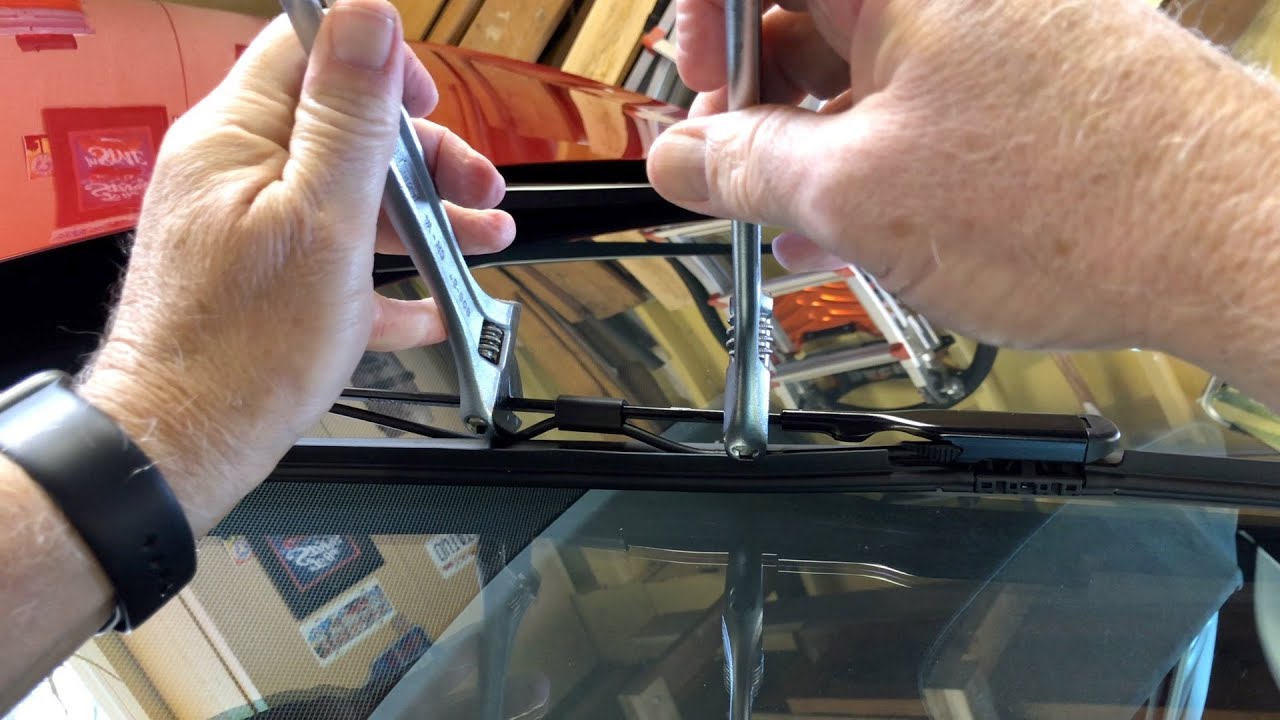
What Are Windshield Wipers and Why Do They Matter?
Windshield wipers are the rubber-bladed arms that sweep across your car’s front (and sometimes rear) glass to clear rain, dust, and debris. They work in combination with your washer fluid system to keep your line of sight clean and clear while driving.
In the UAE, you might not use wipers every day. But when the rain comes — especially during winter months or unexpected showers — you need them to work flawlessly. A streaky or skipping wiper blade can reduce visibility significantly within seconds, making driving dangerous for you and everyone else on the road.
Beyond rain, wipers also help clear the desert dust and fine sand that settles on windshields, especially after shamal winds. That’s why understanding and maintaining your wiper system is essential for any UAE driver.
How Do Windshield Wipers Work?
The wiper system consists of several key components working together:
- The wiper motor is an electric motor, usually mounted on the firewall or under the hood. It powers the entire system and controls the speed of the wipers. Most modern vehicles offer multiple speed settings and an intermittent (auto) mode.
- The wiper linkage connects the motor to the wiper arms. It converts the motor’s rotary motion into the side-to-side sweeping movement you see on the glass.
- The wiper arms are the metal structures that hold the blades and press them against the windshield. Spring tension keeps the blade in firm contact with the glass.
- The wiper blades are the rubber elements that actually touch the glass. They are the most wear-prone part of the system and need to be replaced regularly.
When the motor runs, it drives the linkage, which moves the arms back and forth. The blades then clear the surface as they sweep across. The washer pump sprays washer fluid onto the glass to help loosen dirt and improve the blade’s cleaning performance.
Other Car Repair Services
- Minor 5000 Km Service
- Routine 7000 KM Service
- Windshield Wipers
- CV (Constant Velocity) Maintenance
- Major 10,000 KM Service
- Belts & Hoses
- Vehicle Value & Car Pricing Service
- Headlight Aiming
- Battery Change-Over & Charging
- 7,500, 15k, 30k, & 60k Km Maintenance
- Transmission Fluid Service
- Lighting (Bulb Replacement)
- Cooling System Flush & Exchange
Types of Windshield Wiper Blades
Not all wiper blades are the same. Choosing the right type matters for your driving conditions and car model.
Traditional (Conventional) Wiper Blades
These are the classic design — a metal frame with a rubber blade attached. They are affordable and widely available. However, the metal frame can trap dirt and dust, which accelerates wear. In sandy conditions like the UAE, this can be a real disadvantage.
Beam (Frameless) Wiper Blades
Beam blades have no external metal frame. Instead, they use a single curved piece of rubber or silicone that hugs the windshield evenly. They perform better in dust and grime because there’s no frame to clog. Many newer vehicles in the UAE come fitted with beam blades as standard.
Hybrid Wiper Blades
Hybrid blades combine the durability of a hard shell cover (like conventional blades) with the even pressure distribution of beam blades. They offer a good middle ground — better than conventional, slightly more affordable than premium beam blades.
Rear Wiper Blades
Many SUVs and hatchbacks have a rear wiper. This blade is typically smaller and simpler in design but equally important. Neglecting the rear wiper is a common mistake among drivers.
Silicone Wiper Blades
Silicone blades are gaining popularity in the UAE because silicone handles heat far better than standard rubber. Given that temperatures in Ajman regularly exceed 45°C in summer, silicone blades resist cracking and hardening much longer than conventional rubber options.
Warning Signs Your Windshield Wipers Need Replacing
Your wipers will give you clear signals when they are past their best. Watch out for these warning signs:
- Streaking — If your wipers leave streaks of water behind instead of clearing the glass cleanly, the rubber edge is worn or damaged.
- Skipping or chattering — A wiper blade that bounces or vibrates across the glass may have a bent arm, hardened rubber, or an incorrect blade curvature for your windshield.
- Smearing — Instead of clearing water, the blade smears it around. This often means the rubber has cracked or has debris embedded in the edge.
- Squeaking — A constant squeaking sound while the wipers run usually means the rubber has become too hard and is dragging rather than gliding.
- Incomplete contact — If part of the blade lifts off the glass, leaving an unswept arc, the spring tension in the arm is weak or the blade is mismatched.
- Visible damage — Cracks, tears, or chunks missing from the rubber are obvious signs of replacement time.
As a general rule, wiper blades should be replaced every 6 to 12 months in the UAE. The extreme heat here degrades rubber much faster than in cooler climates. Don’t wait for a rainy day to find out your blades have deteriorated.
How UAE Weather Affects Your Wiper Blades
This is an important point that many drivers overlook. The UAE’s climate is one of the harshest on car components, including windshield wipers.
- Extreme heat — Summer temperatures can cook rubber wiper blades, causing them to crack, harden, and lose flexibility. A blade that has sat under the sun for months may look fine but will streak badly once put to work.
- Dust and sand — Fine sand particles scratch the rubber edge of the blade, shortening its lifespan. Sand also gets caught between the blade and the glass, causing those chattering, skipping movements. In Ajman, cars parked outdoors are constantly exposed to airborne dust.
- UV radiation — The intense UAE sun breaks down rubber compounds through UV degradation. This is why silicone blades are increasingly recommended here — silicone handles UV far better than standard rubber.
- Infrequent use — Ironically, not using wipers often enough is also a problem. When blades sit dry against glass for long periods in the heat, the rubber sticks to the glass and can deteriorate. Running wipers dry accelerates wear, too.
How to Maintain Your Windshield Wipers
Good maintenance can significantly extend the life of your wiper blades and keep them performing well.
- Clean the blades regularly. Use a damp cloth to wipe down the rubber edge of your blades during routine car washes. This removes dust, grit, and road film that cause scratching and streaking.
- Keep the windshield clean. A dirty windshield wears out blades faster. Use a good quality glass cleaner and microfiber cloth to keep your glass free of film and residue.
- Use washer fluid, not just water. Plain water evaporates quickly and doesn’t lubricate the wiper blade as it sweeps. Quality washer fluid contains cleaning agents that protect the blade and the glass. Avoid using dish soap or random household cleaners in your washer reservoir.
- Lift the blades when parked in direct sunlight. Many drivers in the UAE lift their wiper arms away from the glass when parking for long periods. This prevents the rubber from bonding to the hot glass and extends blade life.
- Check the wiper arms. Worn or bent arms cause uneven pressure on the blade, leading to streaks. If replacing the blade doesn’t solve your streaking problem, the arm itself may need attention.
- Replace in pairs. Always replace both front blades at the same time. Using one new and one worn blade creates uneven visibility and looks unprofessional. Don’t forget the rear blade either.
Choosing the Right Wiper Blades for Your Car
Always check your car’s owner manual or ask a professional for the correct blade size for your make and model. Wiper blades are not universal — using the wrong length can leave large unswept areas or cause the blades to interfere with each other.
For vehicles driven regularly in the UAE, silicone or hybrid beam blades are strongly recommended. They handle heat better, resist dust buildup, and last longer than conventional rubber blades.
If you’re unsure which blades suit your vehicle or if your wiper motor or linkage is showing problems, it’s always better to have a qualified mechanic inspect the full system rather than just replacing the blades.
When It’s More Than Just the Blades
Sometimes the problem isn’t the blade at all. If you notice:
- Wipers not turning on at any speed
- Wipers moving very slowly or stopping mid-sweep
- Washer fluid not spraying when the button is pressed
- The wiper arms moving but the blades not touching the glass correctly
then the issue is likely with the wiper motor, fuse, linkage, or washer pump. These are electrical and mechanical repairs that need proper diagnosis. Ignoring them doesn’t just affect comfort — it’s a road safety and traffic law issue. Driving with non-functional wipers can result in fines and, more importantly, puts lives at risk.
At Marwat Garage, the team handles full wiper system inspections and repairs, including blade replacement, motor diagnostics, washer pump repairs, and wiper linkage servicing. Keeping your entire system working correctly — not just the blades — is what makes the real difference.
Frequently Asked Questions
We now have an FAQ list that we hope will help you answer
some of the more common ones.
In the UAE’s hot climate, wiper blades typically last between 6 and 12 months. The intense UV radiation and heat cause the rubber to crack and harden faster than in cooler climates. We recommend inspecting your blades every three months and replacing them as soon as you notice streaking, skipping, or squeaking — do not wait for visibility to become a safety issue.
Streaking after a blade change usually points to one of three causes: the new blades were not fitted correctly, the windscreen itself has a film of wax or road grime that needs cleaning, or the wiper arm spring tension is weak and not pressing the blade firmly against the glass. Visit Marwat Garage and our technicians will identify the exact cause and resolve it promptly.
This is almost always caused by a failed washer pump, a blocked nozzle, a disconnected or cracked washer hose, or an empty reservoir. Our team will run a quick diagnostic check to pinpoint the fault and carry out the necessary washer pump or nozzle repair on the same day.
In some cases, a wiper motor can be repaired — for example, if the fault is in the wiring, connector, or the motor’s internal gears rather than the motor itself. However, if the motor’s armature or brushes are worn out, replacement is the more reliable and cost-effective solution. Our electricians will assess your motor and give you an honest recommendation.
Yes, absolutely. We service rear wiper blades, rear wiper motors, rear washer pumps, and rear nozzles for all vehicle types including SUVs, hatchbacks, and estate cars. Rear wiper systems are often overlooked but are just as important for visibility when reversing or driving in rain.
Got a questions?
Pulvinar neque laoreet suspendisse interdum consectetur libero id faucibus nisl. Lectus urna duis convallis convallis tellus.
Schedule Your Appointment Today
Your Automotive Repair & Maintenance Service Specialist