Rear Brake Shoes
Rear Brake Shoes: Everything You Need to Know — Marwat Garage Ajman
Your car’s braking system is one of the most critical safety features you rely on every single day. Whether you’re navigating Ajman’s busy industrial roads or cruising on the Emirates Road, your ability to stop quickly and safely depends on every component in your brake system working correctly — including your rear brake shoes.
Many drivers focus on front brake pads and disc replacement, but overlook the rear braking components entirely. This is a mistake that can compromise your safety and lead to costly repairs down the line. At Marwat Garage Ajman, we see this issue regularly, and we want to help you understand exactly what rear brake shoes are, why they matter, and when you need to replace them.
What Are Rear Brake Shoes?
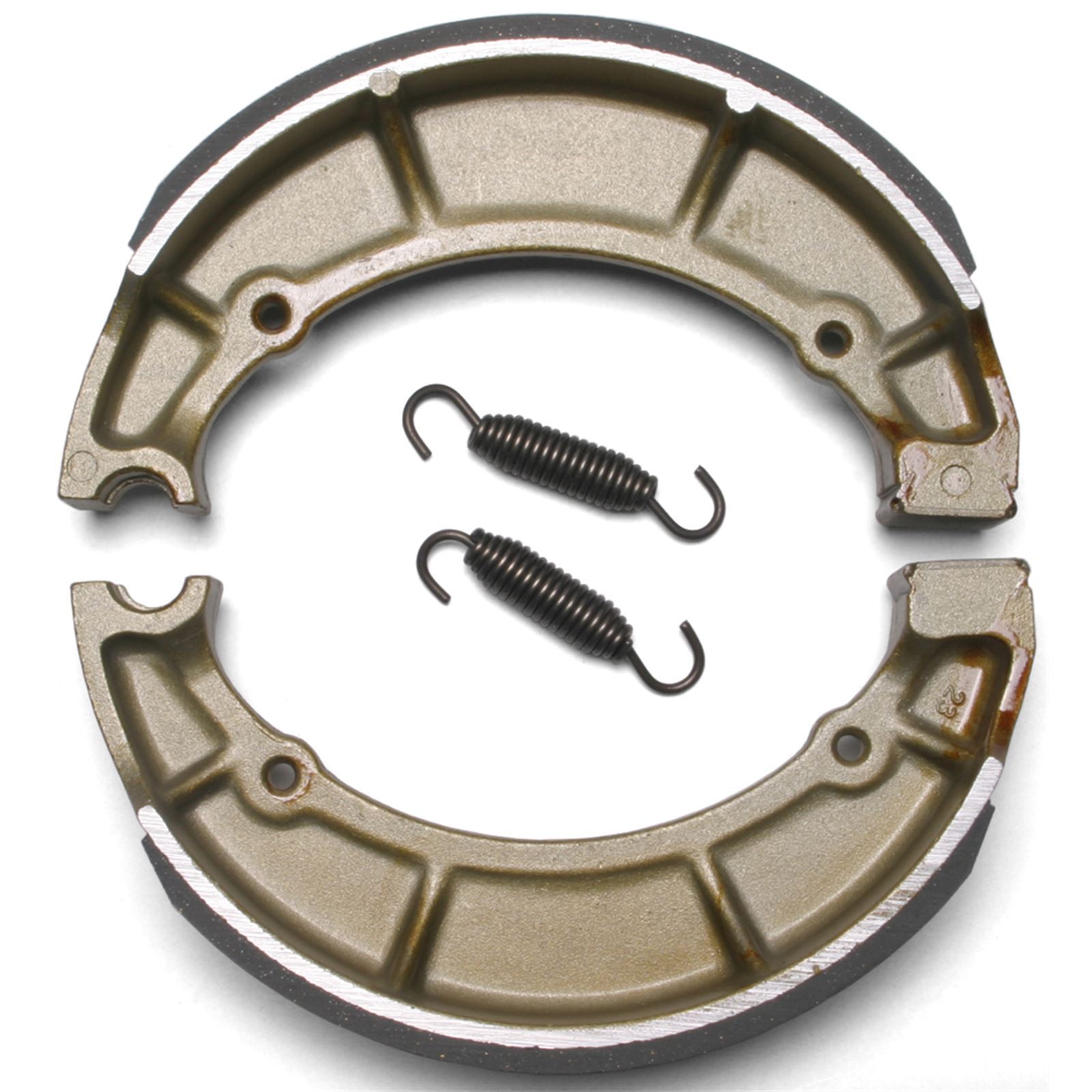
Rear brake shoes are curved metal components lined with a friction material. They sit inside a brake drum and press outward against the drum’s inner surface when you apply the brakes. This friction slows and stops the rotation of the wheel.
Unlike disc brake systems — which use brake pads pressing against a rotor — drum brake systems use rear brake shoes that expand outward. Many vehicles on UAE roads, especially sedans, SUVs, and older models, still use drum brakes at the rear axle. Even some newer vehicles combine disc brakes at the front with drum brakes at the rear to keep costs down while maintaining effective braking performance.
The friction lining on brake shoes is typically made from materials like organic compounds, semi-metallic blends, or ceramic composites. Over time, this lining wears down with use, and that’s when replacement becomes necessary.
How Drum Brakes and Brake Shoes Work Together
To understand rear brake shoes, it helps to understand the drum brake system as a whole.
When you press the brake pedal, hydraulic pressure flows through the brake lines to a wheel cylinder located inside the brake drum assembly. This wheel cylinder pushes the two brake shoes outward, forcing the friction lining against the inner wall of the rotating drum. The resulting friction converts the car’s kinetic energy into heat, slowing the vehicle down.
When you release the pedal, return springs pull the brake shoes back to their resting position, away from the drum. This cycle repeats every single time you brake — thousands of times throughout the life of the shoes.
The brake drum itself is a cast iron or aluminium housing that spins with the wheel. Over time, both the drum’s inner surface and the brake shoe lining experience wear. If you continue driving on worn brake shoes, the metal backing plate can scrape directly against the drum, causing serious damage to both components.
Signs Your Rear Brake Shoes Need Replacement
Knowing when to replace your rear brake shoes is essential for road safety in Ajman. Here are the warning signs every driver should watch for:
- Squealing or Grinding Noises A high-pitched squeal when braking is often the first sign that your brake shoes are wearing thin. If you hear a grinding or scraping metal-on-metal sound, the lining has worn through completely, and the metal shoe is contacting the drum directly. Do not ignore this — bring your vehicle to a qualified garage immediately.
- Reduced Braking Performance If your car takes longer to stop than usual, or you need to press the pedal harder to achieve normal braking, your rear brake shoes may be worn or glazed. Glazing occurs when the friction material hardens due to excessive heat, reducing its effectiveness.
- Pulling to One Side If your car pulls to the left or right when you brake, it may indicate that one brake shoe is more worn than the other, or that a wheel cylinder is leaking and contaminating the brake shoe lining with brake fluid.
- Handbrake Feels Loose In many vehicles, the handbrake cable connects directly to the rear drum brake system. If your handbrake requires more travel than usual before holding the car, worn rear brake shoes are a common culprit.
- Vibration or Pulsation Shuddering through the brake pedal or the vehicle body during braking can signal scored brake drums or uneven brake shoe contact.
How Long Do Rear Brake Shoes Last?
The lifespan of rear brake shoes depends on several factors, including driving style, vehicle type, road conditions, and the quality of the brake shoe material.
On average, brake shoes can last between 30,000 and 70,000 kilometres under normal driving conditions. However, in a city like Ajman — with frequent stop-and-go traffic, speed bumps, and heavy loads — they may wear faster.
If you frequently carry heavy loads, tow trailers, or drive aggressively, you should inspect your drum brake components more often. At Marwat Garage Ajman, we recommend having your brake system checked during every routine service or at a minimum every 20,000 km.
Rear Brake Shoes vs. Front Brake Pads: What’s the Difference?
Drivers often ask whether rear brake shoes and front brake pads serve the same purpose. Both are friction components, but they work in different systems.
Front brake pads work with disc rotors in an open, disc-based system. They clamp onto the rotor from the outside. Front brakes handle the majority of braking force — typically around 60–70% — because the vehicle’s weight shifts forward under deceleration.
Rear brake shoes work inside a sealed drum. Because they handle less braking force, they tend to last longer than front pads. However, they also support the parking brake function in most vehicles, which adds wear over time.
Both components are critical to safe stopping. Replacing them together — front pads and rear brake shoes — ensures balanced braking performance across all four wheels.
The Rear Brake Shoe Replacement Process
At Marwat Garage Ajman, our technicians follow a thorough process when replacing rear brake shoes:
- Vehicle Inspection — We raise the vehicle safely and remove the rear wheels.
- Drum Removal — The brake drum is carefully removed to expose the internal components.
- Component Assessment — We inspect the old brake shoes, springs, wheel cylinders, and the drum surface itself for wear, scoring, or damage.
- Drum Resurfacing or Replacement — If the drum is within acceptable limits, we resurface it for a smooth contact surface. If it’s too worn, we replace it entirely.
- New Shoe Installation — High-quality replacement brake shoes are fitted with correct spring tension and hardware.
- Adjustment and Testing — The shoes are properly adjusted for correct clearance, and the system is tested before the vehicle is returned.
This complete process ensures your brake shoe replacement delivers maximum safety and longevity.
Why Quality Matters When Replacing Brake Shoes
Not all brake shoes are equal. Choosing inferior aftermarket parts may save a few dirhams upfront but can cost significantly more in the long run — both financially and in terms of safety.
At Marwat Garage Ajman, we use high-quality brake shoes that meet or exceed OEM specifications. Our technicians are experienced in servicing all major vehicle brands commonly found in the UAE, including Toyota, Nissan, Honda, Mitsubishi, Hyundai, and more.
The UAE’s climate also plays a role. Ajman’s summer heat and occasional road dust can accelerate brake component wear. Using the right friction material for local conditions is something our team takes seriously.
Rear Brake Shoe Replacement in Ajman — Trust the Experts
Driving in the UAE with a compromised braking system is not just risky for you — it puts other road users in danger as well. The Roads and Transport Authority (RTA) and vehicle inspection standards in the UAE strictly require all brake components to be in proper working order.
If your vehicle has failed an Ajman RTA inspection, or if you simply want peace of mind before a long drive, Marwat Garage Ajman is here to help. Our team provides honest assessments, transparent pricing, and reliable workmanship on every job — no unnecessary upselling, no hidden charges.
We also handle related brake services including brake drum turning, wheel cylinder replacement, handbrake wire replacement, and complete brake system inspections — all under one roof at our Ajman workshop.
Frequently Asked Questions
We now have an FAQ list that we hope will help you answer
some of the more common ones.
The cost varies depending on your car’s make, model, and the type of key system it uses. Basic remote key fob programming is affordable, while smart key and proximity key programming for newer vehicles may cost more due to the advanced software required. Call us on +971-564761112 for a specific quote for your car.
In most cases, yes — but it depends on the make and model. Some vehicles require at least one working key to programme a new remote, while others allow a complete key replacement via OBD2 access. Our technicians will advise you after a quick diagnostic check.
If a fresh battery has not solved the problem, your key fob may have lost its synchronisation with the car’s ECU — this is a common issue after a battery change or flat car battery. The fix is a simple reprogramming, which we can do while you wait at our garage in Ajman.
Most key fob programming jobs take between 30 minutes and one hour. Smart key programming for newer models may take slightly longer if it requires extended ECU communication. We will give you an accurate time estimate when you bring in your vehicle.
We can source compatible replacement key fob shells and remotes for most popular vehicle makers sold in the UAE. If you already have a new fob, we can programme it for you. Call ahead to confirm availability for your specific model.
Got a questions?
Pulvinar neque laoreet suspendisse interdum consectetur libero id faucibus nisl. Lectus urna duis convallis convallis tellus.
Schedule Your Appointment Today
Your Automotive Repair & Maintenance Service Specialist