
Everything You Need to Know About Belt Maintenance and Noise Prevention
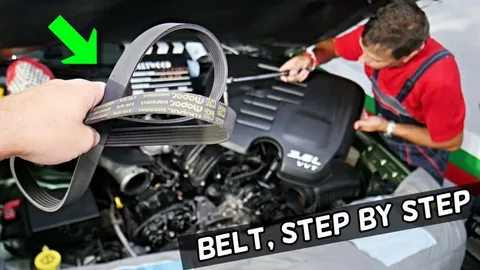
The drive belt is one of the most important yet often overlooked components of a vehicle’s engine system. Responsible for powering essential accessories such as the alternator, air conditioning compressor, water pump, and power steering pump, the drive belt plays a crucial role in ensuring smooth vehicle operation. When the drive belt becomes worn, dry, or damaged, drivers may experience squealing noises, reduced performance, or even unexpected breakdowns. Many vehicle owners search for information about car drive belt lubrication because they notice unusual belt noises or want to extend the lifespan of their vehicle’s belt system. While proper maintenance is essential, understanding when and how lubrication should be used is equally important. In this comprehensive guide, we’ll cover everything you need to know about car drive belt lubrication, including its purpose, benefits, warning signs, maintenance tips, and best practices for keeping your vehicle running smoothly. What Is a Car Drive Belt? A car drive belt, often referred to as a serpentine belt or accessory belt, is a reinforced rubber belt that transfers power from the engine’s crankshaft to various engine accessories. The drive belt helps operate: Without a properly functioning drive belt, many critical vehicle systems would stop working, potentially leaving you stranded on the road. Why Is Drive Belt Maintenance Important? The drive belt is constantly exposed to heat, friction, moisture, dirt, and engine vibrations. Over time, these factors can cause the belt to wear out, crack, stretch, or lose efficiency. Regular maintenance offers several benefits: Prevents Unexpected Breakdowns A failed drive belt can instantly disable essential engine accessories, causing serious drivability issues. Improves Engine Efficiency A properly maintained belt ensures smooth operation of engine-driven components. Reduces Repair Costs Routine inspections and maintenance can help identify issues before they become expensive repairs. Extends Component Lifespan Proper belt maintenance reduces stress on pulleys, bearings, tensioners, and accessory systems. Enhances Driving Comfort A healthy belt system helps maintain reliable power steering and air conditioning performance. Understanding Car Drive Belt Lubrication When drivers hear a squealing or chirping noise from the engine compartment, many assume the belt needs lubrication. However, modern drive belts are designed differently than older belt systems. Most modern serpentine belts do not require traditional lubrication with oils or grease. In fact, applying oil-based lubricants directly to the belt can often cause more harm than good. However, certain belt conditioning products and maintenance procedures may be used in specific situations to address minor noise issues temporarily. Common Causes of Drive Belt Noise Before considering lubrication, it is important to identify the root cause of belt noise. Worn Belt Surface Over time, belts lose flexibility and develop a glazed surface that can cause slipping. Improper Belt Tension A loose belt may slip against pulleys and create squealing sounds. Misaligned Pulleys Pulley alignment issues can cause uneven belt wear and noise. Dirt and Debris Dust, oil contamination, and road grime can affect belt performance. Damaged Belt Tensioner A faulty tensioner may fail to maintain proper belt tension. Moisture Exposure Rain, humidity, or coolant leaks can temporarily affect belt traction. Signs Your Drive Belt Needs Attention Recognizing warning signs early can prevent more serious problems. Squealing Noise During Startup A high-pitched squeal when starting the engine often indicates belt wear or tension issues. Visible Cracks Cracks on the belt surface suggest aging and deterioration. Frayed Edges Fraying indicates excessive wear or pulley misalignment. Glazing A shiny belt surface can reduce traction and increase slipping. Loss of Accessory Function Weak power steering or charging issues may indicate belt-related problems. Dashboard Warning Lights Alternator-related warning lights may appear if the belt is slipping. Can You Lubricate a Drive Belt? This is one of the most frequently asked questions by vehicle owners. The answer depends on the type of belt and the specific issue being addressed. Why Traditional Lubrication Is Not Recommended Applying oil, grease, or penetrating lubricants directly to a modern serpentine belt can: Modern belts are engineered to operate without oil-based lubrication. When Belt Conditioning Products May Help Some technicians use specialized belt dressing products designed specifically for automotive belts. These products may: However, belt dressing should not be considered a permanent solution to underlying mechanical issues. Benefits of Proper Drive Belt Care Instead of focusing solely on lubrication, proper maintenance delivers greater long-term benefits. Longer Belt Life Routine inspections help identify wear before failure occurs. Improved Engine Performance Efficient belt operation supports accessory performance. Reduced Noise Addressing tension and alignment issues eliminates most belt-related sounds. Better Fuel Economy A properly functioning accessory drive system reduces engine strain. Increased Reliability Well-maintained belts are less likely to fail unexpectedly. How to Inspect a Drive Belt Regular inspections can help detect problems early. Step 1: Turn Off the Engine Always inspect belts with the engine off and cool. Step 2: Check Belt Condition Look for: Step 3: Inspect Pulleys Ensure pulleys rotate smoothly without wobbling. Step 4: Check Belt Tension The belt should feel firm and properly tensioned. Step 5: Listen for Unusual Sounds Start the engine and listen for squealing, chirping, or grinding noises. How Often Should a Drive Belt Be Replaced? Replacement intervals vary depending on vehicle type and driving conditions. General guidelines suggest: Always follow your vehicle manufacturer’s recommendations. DIY Drive Belt Maintenance Tips Vehicle owners can perform several preventive maintenance tasks. Keep the Engine Bay Clean Removing dirt and debris helps protect belt components. Fix Fluid Leaks Promptly Oil and coolant leaks can damage belt materials. Monitor Belt Condition Inspect belts during routine oil changes. Replace Worn Components Faulty tensioners and pulleys should be replaced immediately. Follow Maintenance Schedules Routine maintenance helps prevent premature wear. Professional Drive Belt Service While basic inspections can be performed at home, professional service provides additional benefits. Technicians can: Professional inspections help ensure long-term reliability. Cost of Drive Belt Maintenance and Replacement The cost depends on vehicle type and labor rates. Drive Belt Inspection Typically ranges from: $20 to $80 Drive Belt Replacement Most vehicles cost between: $80 and $300 Luxury vehicles and complex engine
Car Radiator Flush and Clean: The Ultimate Guide for Every Vehicle Owner
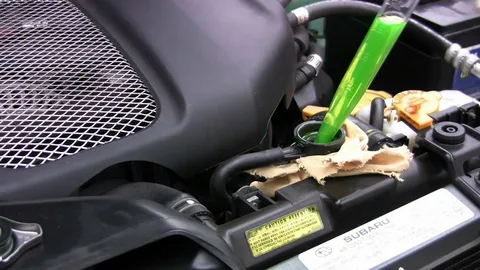
A car radiator flush and clean is one of the most important maintenance procedures that vehicle owners often overlook. The radiator plays a critical role in regulating engine temperature, preventing overheating, and ensuring optimal engine performance. Over time, rust, scale deposits, dirt, and contaminated coolant can accumulate inside the cooling system, reducing efficiency and potentially causing costly engine damage. Whether you drive a compact sedan, SUV, pickup truck, or luxury vehicle, understanding how to flush and clean your radiator can save you money on repairs while improving the overall health of your engine. In this comprehensive guide, we’ll explain everything you need to know about radiator flushing, including benefits, signs your radiator needs cleaning, step-by-step instructions, costs, and frequently asked questions. What Is a Car Radiator Flush and Clean? A radiator flush and clean is the process of removing old coolant, contaminants, rust particles, and debris from your vehicle’s cooling system. The procedure involves draining the existing coolant, flushing the system with water or a specialized radiator flush solution, and refilling it with fresh coolant. Unlike a simple coolant top-up, a complete radiator flush removes harmful deposits that can restrict coolant flow and reduce heat transfer efficiency. The cooling system consists of several components: A thorough radiator cleaning helps maintain all these components by ensuring clean coolant circulates freely throughout the system. Why Is a Radiator Flush Important? Many drivers underestimate the importance of cooling system maintenance. Fresh coolant not only prevents freezing and overheating but also contains additives that protect against corrosion and scale buildup. Key Benefits of a Car Radiator Flush and Clean 1. Prevents Engine Overheating Dirty coolant cannot efficiently transfer heat away from the engine. A clean radiator allows coolant to circulate properly and maintain optimal operating temperatures. 2. Improves Cooling Efficiency Removing sludge and debris restores the radiator’s ability to dissipate heat effectively. 3. Extends Engine Life Consistent operating temperatures reduce stress on engine components, helping them last longer. 4. Prevents Corrosion Old coolant loses its anti-corrosion properties over time, leading to rust formation inside the cooling system. 5. Enhances Fuel Efficiency An engine running at proper temperature generally performs more efficiently, which may contribute to improved fuel economy. 6. Reduces Repair Costs Regular radiator maintenance helps prevent expensive repairs such as: Signs Your Car Needs a Radiator Flush and Clean Several warning signs indicate your cooling system requires attention. Engine Overheating If your temperature gauge consistently rises above normal, contaminated coolant may be restricting heat transfer. Discolored Coolant Healthy coolant is usually bright green, orange, yellow, pink, or blue depending on the type. Brown or rusty coolant suggests contamination. Sweet Smell from the Engine Bay Coolant leaks often produce a sweet odor around the vehicle. Visible Rust or Debris Inspect the radiator cap area. Rust particles or sludge indicate internal contamination. Heater Performance Issues A clogged cooling system can affect cabin heating performance. Coolant Warning Light Many modern vehicles include cooling system warning indicators. Frequent Coolant Top-Ups If coolant levels drop frequently, there may be leaks or system contamination. How Often Should You Flush Your Radiator? The recommended interval depends on the manufacturer and coolant type. General Guidelines Always consult your vehicle owner’s manual for exact service intervals. Tools and Materials Needed Before starting a radiator flush and clean, gather the following: Using distilled water is highly recommended because it contains fewer minerals that can cause scale buildup. Step-by-Step Guide to Car Radiator Flush and Clean Step 1: Let the Engine Cool Never open the radiator cap on a hot engine. Wait until the vehicle has cooled completely. Step 2: Locate the Radiator Drain Valve Position a drain pan underneath the radiator and locate the drain valve or petcock. Step 3: Drain Old Coolant Open the drain valve carefully and allow all coolant to flow into the drain pan. Step 4: Close the Drain Valve Once drained, securely close the valve before proceeding. Step 5: Add Radiator Flush Solution Pour the radiator cleaning solution into the radiator according to manufacturer instructions. Step 6: Fill with Water Add distilled water until the radiator reaches the proper level. Step 7: Run the Engine Start the vehicle and allow it to reach operating temperature. This circulates the cleaning solution through the cooling system. Step 8: Shut Off and Cool Down Turn off the engine and allow it to cool completely. Step 9: Drain Again Drain the cleaning solution and contaminants from the radiator. Step 10: Repeat if Necessary Heavily contaminated systems may require multiple flushes. Step 11: Refill with Fresh Coolant Add the recommended coolant mixture for your vehicle. Step 12: Bleed Air from the System Some vehicles require bleeding procedures to remove trapped air pockets. Step 13: Check for Leaks Inspect all hoses, fittings, and connections for leaks. Common Causes of Radiator Contamination Understanding what causes contamination can help prevent future problems. Rust Formation Metal components inside the cooling system can rust when coolant additives degrade. Mineral Deposits Using hard water instead of distilled water can cause scale buildup. Coolant Breakdown Old coolant eventually loses its protective properties. Oil Contamination A damaged head gasket can allow oil to mix with coolant. External Debris Dirt, leaves, and insects can block airflow through radiator fins. DIY vs Professional Radiator Flush DIY Radiator Flush Advantages: Disadvantages: Professional Service Advantages: Disadvantages: Many repair shops use pressurized flushing equipment that can remove stubborn contaminants more effectively than basic DIY methods. How Much Does a Radiator Flush Cost? Costs vary depending on vehicle type and location. DIY Cost Typical range: Estimated total: $40–$100 Professional Cost Most repair facilities charge between: $80–$250 Luxury and heavy-duty vehicles may cost more. Best Practices for Maintaining a Clean Radiator Preventive maintenance is easier and cheaper than repairs. Inspect Coolant Regularly Check coolant color and level monthly. Use Manufacturer-Approved Coolant Always use coolant specified by your vehicle manufacturer. Keep Radiator Fins Clean Remove dirt and debris from the radiator’s exterior. Check Hoses Frequently Replace cracked or deteriorated hoses promptly. Monitor Engine Temperature Pay attention to temperature
Complete Guide to Preventing Engine Overheating
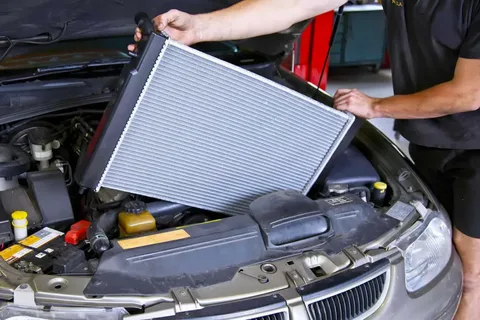
Your vehicle’s cooling system is designed to maintain the engine at an optimal operating temperature, especially in demanding climates like Ajman. One of the most important components in this system is the radiator fan motor. This component helps pull air through the radiator when the vehicle is stationary or moving at low speeds, ensuring efficient heat dissipation. When the fan motor fails, the radiator cannot cool the engine effectively, increasing the risk of overheating and expensive engine damage. If you notice rising engine temperatures, unusual noises from the engine bay, or cooling fan issues, you may require a car radiator fan motor replacement in Ajman. Understanding how the radiator fan motor works, identifying early warning signs, and seeking professional replacement services can help you avoid costly repairs and keep your vehicle operating safely. This comprehensive guide explains everything vehicle owners need to know about radiator fan motor replacement, including symptoms, causes of failure, maintenance practices, costs, and selecting the right automotive repair specialist. What Is a Car Radiator Fan Motor? The radiator fan motor powers the cooling fan located behind or in front of the radiator. Its primary function is to pull or push air through the radiator fins to remove excess heat from the engine coolant. Functions of a Radiator Fan Motor ✔ Prevents engine overheating ✔ Improves cooling system efficiency ✔ Supports radiator performance ✔ Maintains optimal engine temperature ✔ Assists air conditioning system cooling Without a functioning radiator fan motor, the engine may overheat during traffic congestion, idling, or hot weather conditions. Why Radiator Fan Motors Are Important in Ajman Ajman’s climate places significant demands on vehicle cooling systems. Common Challenges Include Under these conditions, the radiator fan motor plays a critical role in preventing overheating and maintaining engine performance. Signs You Need Car Radiator Fan Motor Replacement Recognizing symptoms early can help avoid major cooling system failures. 1. Engine Overheating One of the most common signs is an engine temperature gauge rising above normal levels. If the radiator fan motor fails, airflow through the radiator becomes insufficient. 2. Cooling Fan Not Running A fan that does not activate when the engine temperature rises often indicates motor failure. 3. Weak Airflow Through the Radiator Reduced airflow can affect both cooling efficiency and AC performance. 4. Unusual Noises Grinding, buzzing, or rattling sounds may indicate worn fan motor bearings or internal damage. 5. Air Conditioning Performance Issues The radiator fan also helps cool the AC condenser. A failing motor can reduce cooling efficiency, especially during idling. 6. Dashboard Warning Lights Some vehicles may display engine temperature or cooling system warning indicators. Common Causes of Radiator Fan Motor Failure Several factors contribute to fan motor problems. Electrical Failures Issues involving: can prevent proper fan operation. Motor Wear Continuous use eventually wears out internal motor components. Overheating Excessive heat can damage motor windings and bearings. Corrosion Moisture and environmental exposure may cause corrosion of electrical connections. Debris Accumulation Dust, dirt, and road debris can interfere with fan operation. Aging Components Like any mechanical component, fan motors have a limited lifespan. Why Immediate Replacement Matters Ignoring radiator fan motor issues can lead to severe consequences. Potential Risks Prompt car radiator fan motor replacement in Ajman helps protect your vehicle’s engine and cooling system. How a Radiator Fan Motor Works The cooling fan motor operates automatically based on engine temperature. Cooling Process This process helps maintain stable engine temperatures under varying driving conditions. Professional Car Radiator Fan Motor Replacement Process Replacing a radiator fan motor requires specialized tools and diagnostic expertise. Step 1: Diagnostic Inspection Technicians inspect: Step 2: Fan Assembly Removal The cooling fan assembly is carefully removed. Step 3: Motor Replacement The damaged fan motor is disconnected and replaced. Step 4: Electrical Testing All wiring and control systems are tested. Step 5: Reinstallation The fan assembly is reinstalled according to manufacturer specifications. Step 6: Performance Verification Technicians confirm proper fan activation and cooling system operation. Understanding Car Radiator Fan Motor Replacement Cost in Ajman Many vehicle owners ask about car radiator fan motor replacement cost in Ajman. Several factors affect the total repair cost. Vehicle Make and Model Luxury vehicles often require specialized cooling components. Fan Motor Quality Options include: Labor Complexity Some vehicles require extensive disassembly for access. Additional Repairs Technicians may recommend replacement of: Diagnostic Requirements Advanced diagnostic procedures may affect service costs. A professional inspection provides the most accurate estimate. How to Choose a Reliable Cooling System Specialist When searching online for car radiator fan motor replacement in Ajman near me, choosing an experienced repair provider is essential. What to Look For Certified Technicians Choose professionals experienced with automotive cooling systems. Quality Replacement Parts Reliable workshops use OEM or high-quality aftermarket components. Advanced Diagnostic Equipment Modern tools improve troubleshooting accuracy. Transparent Pricing Detailed quotations help avoid unexpected expenses. Warranty Protection Parts and labor warranties provide peace of mind. Choosing the Best Car Radiator Fan Motor Replacement in Ajman Vehicle owners looking for the best car radiator fan motor replacement in Ajman should focus on expertise and quality rather than price alone. Indicators of a Quality Workshop ✔ Experienced cooling system technicians ✔ Advanced diagnostic technology ✔ Genuine replacement components ✔ Fast service turnaround ✔ Positive customer reviews ✔ Warranty-backed repairs ✔ Transparent communication A reputable workshop ensures reliable repairs and long-term cooling system performance. Vehicles Commonly Requiring Fan Motor Replacement Professional automotive workshops in Ajman service all major vehicle brands. Japanese Vehicles German Vehicles American Vehicles Korean Vehicles Luxury Vehicles Qualified technicians can diagnose and replace radiator fan motors for virtually any vehicle model. OEM vs Aftermarket Fan Motors Choosing the right replacement motor affects reliability and performance. OEM Fan Motors Advantages Considerations Aftermarket Fan Motors Advantages Considerations A trusted technician can recommend the most suitable option for your vehicle. Preventive Maintenance Tips Routine maintenance can extend radiator fan motor lifespan. Inspect Cooling System Regularly Periodic inspections help identify problems early. Keep Radiator Area Clean Remove dirt and debris that may obstruct airflow. Monitor Engine Temperature
Car Radiator Replacement in Ajman
Complete Guide to Preventing Engine Overheating Your vehicle’s cooling system plays a critical role in maintaining engine performance and preventing overheating. At the center of this system is the radiator, a vital component responsible for regulating engine temperature by dissipating excess heat generated during operation. A damaged or failing radiator can quickly lead to serious engine problems, including overheating, coolant leaks, reduced performance, and costly repairs. If you notice coolant loss, rising engine temperatures, or visible radiator damage, it may be time for a car radiator replacement in Ajman. Given Ajman’s hot climate and demanding driving conditions, maintaining a healthy cooling system is essential for vehicle reliability. This comprehensive guide explains everything drivers need to know about radiator replacement, warning signs, causes of failure, maintenance practices, and how to select the right repair specialist. What Is a Car Radiator? A radiator is a heat exchanger designed to remove excess heat from the engine coolant before it circulates back into the engine. As coolant flows through the radiator, heat is transferred to the surrounding air, helping maintain optimal engine operating temperatures. Functions of a Car Radiator ✔ Prevents engine overheating ✔ Regulates engine temperature ✔ Supports cooling system efficiency ✔ Protects engine components ✔ Improves overall vehicle performance Without a properly functioning radiator, the engine can overheat within a short period, causing severe mechanical damage. Why Radiators Fail in Ajman Vehicles operating in Ajman face unique environmental challenges that can place additional stress on cooling systems. Common Contributing Factors These factors can gradually reduce radiator efficiency and increase the risk of failure. Signs You Need Car Radiator Replacement Recognizing radiator problems early can help prevent costly engine repairs. 1. Engine Overheating One of the most obvious signs of radiator failure is an overheating engine. If the temperature gauge consistently rises above normal levels, the radiator may not be cooling the coolant effectively. 2. Coolant Leaks Visible coolant puddles beneath the vehicle often indicate radiator damage. Leaks may occur due to: 3. Low Coolant Levels Repeated coolant loss without obvious external leaks can signal internal radiator issues. 4. Rust and Corrosion Corrosion weakens radiator components and restricts coolant flow. 5. Discolored Coolant Rusty or contaminated coolant may indicate internal deterioration. 6. Visible Damage Physical damage from road debris, accidents, or impact can compromise radiator performance. Why Immediate Radiator Replacement Matters Delaying car radiator replacement in Ajman can create serious consequences. Potential Risks Replacing a faulty radiator promptly helps protect the engine and cooling system. How a Car Radiator Works Understanding radiator operation helps explain its importance. Cooling Cycle This continuous cycle helps maintain safe operating temperatures under varying driving conditions. Common Causes of Radiator Failure Several factors can shorten radiator lifespan. Corrosion Old or contaminated coolant can cause internal corrosion. Coolant Neglect Failing to replace coolant at recommended intervals increases sediment buildup. Physical Damage Road debris and minor collisions can damage radiator fins and tanks. Blockages Dirt, rust, and contaminants may restrict coolant flow. Pressure Issues Faulty radiator caps can cause excessive system pressure. Aging Components Radiators naturally deteriorate after years of service. Professional Car Radiator Replacement Process Radiator replacement requires careful inspection and installation. Step 1: Cooling System Diagnosis Technicians inspect: Step 2: Coolant Drainage Old coolant is safely removed from the system. Step 3: Removal of Damaged Radiator The faulty radiator is disconnected and removed. Step 4: Cooling System Inspection Additional components are evaluated for wear or damage. Step 5: Installation of New Radiator A replacement radiator is installed according to manufacturer specifications. Step 6: Coolant Refill Fresh coolant is added using the correct mixture ratio. Step 7: Air Bleeding Procedure Air pockets are removed from the cooling system. Step 8: Final Testing Technicians verify: Understanding Car Radiator Replacement Cost in Ajman One of the most common concerns among vehicle owners involves car radiator replacement cost in Ajman. The total cost varies depending on several factors. Vehicle Make and Model Luxury and high-performance vehicles often require specialized radiators. Radiator Type Options include: Labor Requirements Some vehicles require more extensive disassembly. Additional Repairs Technicians may recommend replacing: Coolant Requirements Coolant type and system capacity influence service costs. A professional inspection provides the most accurate estimate. How to Choose a Reliable Cooling System Specialist When searching online for car radiator replacement in Ajman near me, selecting a qualified repair provider is important. Factors to Consider Experienced Technicians Choose specialists familiar with cooling system diagnostics and repairs. Quality Parts Reliable workshops use genuine or high-quality replacement radiators. Advanced Diagnostic Equipment Modern tools improve accuracy and efficiency. Warranty Coverage Parts and labor warranties provide additional peace of mind. Transparent Pricing Detailed quotations reduce unexpected expenses. What Makes a Workshop the Best Choice? Vehicle owners looking for the best car radiator replacement in Ajman should prioritize quality and expertise. Key Indicators ✔ Certified cooling system specialists ✔ Genuine replacement components ✔ Advanced diagnostic tools ✔ Strong customer reviews ✔ Transparent pricing ✔ Fast turnaround times ✔ Warranty-backed repairs Selecting the right workshop helps ensure long-term reliability and cooling performance. Vehicles Commonly Requiring Radiator Replacement Professional workshops in Ajman regularly service various vehicle brands. Japanese Vehicles German Vehicles American Vehicles Korean Vehicles Luxury Vehicles Experienced technicians can diagnose and replace radiators for virtually all vehicle makes and models. OEM vs Aftermarket Radiators Choosing the right radiator is an important decision. OEM Radiators Advantages Considerations Aftermarket Radiators Advantages Considerations A trusted technician can recommend the most suitable solution based on your vehicle and budget. Preventive Maintenance Tips for Longer Radiator Life Proper maintenance significantly extends radiator lifespan. Replace Coolant Regularly Fresh coolant prevents corrosion and contamination. Inspect Hoses Frequently Damaged hoses can cause leaks and pressure loss. Monitor Coolant Levels Low coolant levels increase overheating risks. Keep Radiator Clean Remove debris that may block airflow. Check the Radiator Cap A faulty cap can affect cooling system pressure. Schedule Routine Cooling System Inspections Professional inspections help identify issues before major failures occur. Benefits of Regular Cooling System Maintenance Preventive maintenance offers several advantages. Improved Engine Protection Maintains
Car AC Blower Motor Replacement in Ajman
Car AC Blower Motor Replacement: Complete Guide to Restoring Your Vehicle’s Airflow The blower motor is a key component of your vehicle’s HVAC (Heating, Ventilation, and Air Conditioning) system. It is responsible for pushing cooled or heated air through the vents into the cabin. A malfunctioning blower motor can lead to poor airflow, inconsistent cooling or heating, and reduced driving comfort. If your car’s AC vents are blowing weak air, producing unusual noises, or not working at all, it may be time for a car AC blower motor replacement in Ajman. Understanding the blower motor’s function, recognizing early warning signs, and opting for professional replacement services can prevent further HVAC system damage and restore cabin comfort efficiently. This guide covers everything vehicle owners need to know about AC blower motor replacement, from common problems and maintenance tips to replacement costs and choosing the best service providers in Ajman. What Is a Car AC Blower Motor? The blower motor is an electric fan that forces air through the HVAC system and into the vehicle’s cabin. It is typically located under the dashboard or behind the glove compartment. Functions of a Blower Motor ✔ Circulates heated or cooled air through the vents ✔ Supports proper cabin climate control ✔ Maintains windshield defrosting efficiency ✔ Enhances overall vehicle comfort ✔ Works with HVAC controls to regulate airflow speed Without a properly functioning blower motor, your vehicle’s heating and cooling system cannot operate efficiently. Common Signs You Need Car AC Blower Motor Replacement Early recognition of blower motor problems prevents more extensive HVAC system failures. 1. Weak or No Airflow Reduced air coming from vents indicates a failing or obstructed blower motor. 2. Strange Noises Grinding, rattling, or squealing sounds suggest worn bearings or debris in the motor. 3. Inconsistent Airflow Airflow varies unpredictably at different speed settings due to motor or resistor issues. 4. Blower Only Works at Certain Speeds If the fan only operates at high or low settings, the blower motor resistor or the motor itself may be faulty. 5. Burning Smell Overheated blower motors can emit a burning odor inside the cabin. 6. HVAC Controls Non-Responsive A completely failed motor may render the AC and heater system non-functional. Causes of Blower Motor Failure Blower motors are durable but can fail due to several reasons: Electrical Problems Faulty wiring, blown fuses, or defective switches can interrupt operation. Worn Bearings Continuous use causes bearings to wear out, producing noise and uneven performance. Motor Burnout Extended operation under high load can cause overheating and motor failure. Debris Accumulation Leaves, dust, and dirt can enter the blower assembly, obstructing airflow and damaging the motor. Age and Wear Even with proper maintenance, blower motors degrade over time. Benefits of Timely Car AC Blower Motor Replacement Prompt replacement prevents secondary issues and ensures comfort: Professional Car AC Blower Motor Replacement Process Replacing a blower motor requires careful handling due to electrical connections and dashboard placement. Step 1: Diagnostic Inspection Technicians assess: Step 2: Remove the Old Motor Access is gained by removing the glove compartment or dashboard panels, and the faulty motor is disconnected. Step 3: Inspect Resistors and Wiring Associated components, such as blower motor resistors or connectors, are checked for wear or damage. Step 4: Install the New Motor A replacement motor is secured, electrical connections restored, and airflow pathways verified. Step 5: System Testing Airflow at all speeds, cooling and heating performance, and noise levels are tested to ensure proper operation. Car AC Blower Motor Replacement Cost in Ajman Many vehicle owners inquire about car AC blower motor replacement cost in Ajman. Costs depend on: A professional inspection provides the most accurate cost estimate for your specific vehicle. How to Find a Reliable Service Provider When searching online for car AC blower motor replacement in Ajman near me, consider the following: Certified Technicians Choose specialists familiar with various vehicle HVAC systems. Quality Replacement Parts High-quality OEM or certified aftermarket motors ensure long-lasting performance. Transparent Pricing Ensure the estimate clearly includes parts and labor. Warranty Coverage Look for providers offering warranties on both components and service. Positive Reviews Customer feedback reflects service quality and reliability. Choosing the Best Car AC Blower Motor Replacement in Ajman Selecting the best car AC blower motor replacement in Ajman involves evaluating service quality, expertise, and reliability. Indicators of Top Providers ✔ Skilled technicians with HVAC experience ✔ Advanced diagnostic and testing tools ✔ Genuine replacement motors ✔ Fast turnaround and minimal downtime ✔ Transparent communication and quotations ✔ Warranty-backed repairs ✔ Positive customer testimonials Choosing the right workshop ensures optimal airflow performance and prevents repeated HVAC issues. Vehicles Commonly Serviced for Blower Motor Replacement Professional technicians in Ajman service a wide range of vehicles: Japanese Vehicles German Vehicles American Vehicles Korean Vehicles Luxury Vehicles Technicians can handle blower motor replacement for all major vehicle brands. OEM vs Aftermarket Blower Motors Selecting the right motor is critical for long-term reliability. OEM Motors Advantages: Considerations: Aftermarket Motors Advantages: Considerations: Preventive Maintenance Tips for Blower Motors Proper maintenance prolongs blower motor life: Regular preventive care reduces HVAC repair costs and maintains consistent airflow. Benefits of Regular Blower Motor Maintenance Frequently Asked Questions Q1: How long does a blower motor last?Typically 8–12 years, depending on usage, maintenance, and climate conditions. Q2: Can I drive with a failing blower motor?Short-term driving is possible, but comfort and HVAC performance will be compromised. Q3: How long does replacement take?Most replacements take 1–3 hours depending on dashboard complexity. Q4: Can blower motor failure affect the AC compressor?Indirectly, yes. Poor airflow reduces system efficiency and may increase compressor load. Q5: Should I choose OEM or aftermarket?OEM offers guaranteed fitment; aftermarket may be cost-effective if quality is verified. Final Thoughts A fully functional blower motor is essential for vehicle HVAC performance. Timely car AC blower motor replacement in Ajman restores airflow, improves heating and cooling efficiency, and prevents secondary HVAC damage. Whether you are comparing car AC blower motor replacement in Ajman cost, searching for car AC
Car V Belt Replacement in Ajman
Car V Belt Replacement in Ajman: Complete Guide to Maintaining Your Vehicle’s Engine Performance The engine V belt is a critical component that drives multiple systems in your vehicle, including the alternator, water pump, power steering pump, and air conditioning compressor. A worn or broken V belt can lead to engine overheating, battery discharge, steering issues, or AC failure. If you notice squealing noises, cracks, or poor performance in auxiliary systems, it may be time for car V belt replacement in Ajman. Early detection and timely replacement help prevent breakdowns, costly repairs, and safety hazards. This comprehensive guide explains the signs of V belt wear, replacement procedures, maintenance practices, costs, and tips for choosing the best service provider in Ajman. What Is a Car V Belt and Why It Matters The V belt is a looped belt with a trapezoidal cross-section that transfers rotational energy from the engine crankshaft to multiple accessory components. Functions of a Car V Belt ✔ Powers alternator, water pump, power steering, and AC compressor ✔ Maintains engine performance ✔ Supports proper vehicle cooling ✔ Prevents battery discharge ✔ Ensures smooth operation of auxiliary systems Without a functioning V belt, your engine may overheat, the battery may drain, and important systems may fail. Common Signs You Need Car V Belt Replacement Recognizing early symptoms helps prevent sudden breakdowns. 1. Squealing or Chirping Noises A worn or loose V belt often produces high-pitched squeals, especially on engine start or acceleration. 2. Visible Cracks or Wear Inspecting the belt may reveal fraying, cracks, glazing, or missing ribs. 3. Engine Overheating A failing belt may not drive the water pump effectively, causing overheating. 4. Power Steering Difficulties If the belt driving the power steering pump slips, steering may feel stiff or unresponsive. 5. Battery Warning Light A worn belt may reduce alternator performance, triggering a dashboard warning. 6. Reduced AC Performance A slipping belt can affect the air conditioning compressor, leading to weak cooling. Causes of V Belt Wear V belts are designed for long-term durability, but several factors can accelerate wear. Heat and Friction Continuous operation generates heat and friction that can degrade the rubber material. Misalignment Pulley misalignment can lead to uneven wear or premature failure. Tension Issues Incorrect belt tension—either too tight or too loose—affects belt longevity. Contaminants Oil, coolant, or dirt on the belt can reduce friction and cause slipping. Age Even without visible damage, belts naturally wear over time. Benefits of Timely Car V Belt Replacement Prompt replacement protects your engine and avoids costly repairs. Prevent Engine Damage Maintains water pump function and prevents overheating. Protect Electrical Systems Ensures proper alternator function to maintain battery charge. Maintain Steering Control Keeps power steering pump functioning smoothly. Avoid AC Failures Supports proper operation of air conditioning compressor. Save Money Prevent secondary damage to engine components and accessories. Professional Car V Belt Replacement Process Certified technicians follow a systematic replacement procedure. Step 1: Engine Inspection Technicians examine belt condition, pulleys, and tensioners. Step 2: Remove the Old Belt The worn or damaged belt is safely removed from all pulleys. Step 3: Inspect Pulleys and Tensioners Pulleys, bearings, and tensioners are checked for wear or misalignment. Step 4: Install New V Belt A new belt is routed correctly across all pulleys and adjusted to proper tension. Step 5: Final Testing Engine performance, accessory operation, and belt alignment are verified. Car V Belt Replacement in Ajman Cost Many drivers ask about the car V belt replacement in Ajman cost. Pricing depends on: A professional inspection provides an accurate estimate for your specific vehicle. How to Find a Reliable V Belt Replacement Service When searching for car V belt replacement in Ajman near me, consider these factors. Certified Technicians Look for specialists with experience across multiple vehicle brands. Genuine or High-Quality Parts Quality belts prevent premature failures. Transparent Pricing Ensure the estimate covers parts and labor clearly. Warranty Choose providers offering coverage for both parts and workmanship. Positive Customer Reviews Customer feedback indicates service reliability and professionalism. What Makes the Best Car V Belt Replacement Service Finding the best car V belt replacement in Ajman involves more than just price. Key Indicators ✔ Experienced mechanics ✔ Advanced diagnostic tools ✔ Genuine replacement belts ✔ Fast turnaround ✔ Transparent communication ✔ Warranty-backed service ✔ Positive customer testimonials High-quality service ensures long-lasting performance and protects your engine and accessories. Vehicles Commonly Serviced for V Belt Replacement Professional workshops in Ajman handle V belt replacements for: Japanese Vehicles German Vehicles American Vehicles Korean Vehicles Luxury Vehicles Experienced technicians can replace belts on virtually all makes and models. OEM vs Aftermarket V Belts Choosing the right belt affects performance and longevity. OEM Belts Advantages: Considerations: Aftermarket Belts Advantages: Considerations: Preventive Maintenance Tips Maintaining your V belt prolongs engine and accessory life. Inspect Belts Regularly Check for cracks, fraying, and wear. Maintain Proper Tension Ensure belts are neither too tight nor too loose. Keep Belts Clean Avoid oil, coolant, or dirt contamination. Replace Per Manufacturer Schedule Follow vehicle service intervals to prevent unexpected failure. Inspect Pulleys and Tensioners Worn components can accelerate belt wear. Benefits of Regular V Belt Maintenance Frequently Asked Questions Q1: How long does a car V belt last?Typically 60,000–100,000 km depending on maintenance and driving conditions. Q2: Can I drive with a worn V belt?Driving may be possible briefly, but risk of engine overheating and accessory failure is high. Q3: How long does replacement take?Most V belt replacements can be completed within 1–2 hours. Q4: Does replacing the belt improve engine efficiency?Yes, a properly tensioned belt ensures efficient accessory operation. Q5: Can a broken V belt damage the engine?Yes. A snapped belt can cause overheating, loss of power steering, or alternator failure. Q6: Is OEM always better than aftermarket?OEM belts ensure fitment and reliability; aftermarket belts can be a cost-effective alternative with proper quality checks. Final Thoughts A well-functioning V belt is essential for engine performance, AC operation, power steering, and battery charging. Timely car V belt replacement in Ajman
Car Heating Coil Replacement in Ajman
Car Heating Coil Replacement in Ajman: Everything You Need to Know A vehicle’s climate control system does much more than cool the cabin during summer. It also provides heat during colder weather, removes moisture from the windshield, and helps maintain a comfortable driving environment throughout the year. One of the most important components responsible for cabin heating is the heating coil, commonly known as the heater core. When the heater core becomes clogged, corroded, or damaged, it can affect both the heating system and overall cooling system performance. If you are experiencing coolant leaks, foggy windows, sweet odors inside the cabin, or poor heating performance, you may require a car heating coil replacement in Ajman. Understanding how the heating coil works, recognizing early signs of failure, and seeking professional replacement services can help prevent engine overheating, coolant loss, and expensive repairs. This comprehensive guide explains everything vehicle owners should know about heater core replacement, common problems, maintenance practices, repair costs, and how to keep their vehicle’s HVAC system functioning efficiently. Quick Answer: What Is a Car Heating Coil? A heating coil, also known as a heater core, is a small radiator-like component located inside the dashboard. Its primary function is to transfer heat from the engine coolant into the vehicle cabin through the blower motor. Functions of a Heating Coil ✔ Provides warm air inside the vehicle ✔ Assists windshield defrosting ✔ Supports climate control performance ✔ Improves driving comfort ✔ Works as part of the vehicle’s cooling system Without a properly functioning heater core, your vehicle may struggle to provide adequate heating and defrosting performance. Why Heating Coils Fail in Ajman Although Ajman experiences warm weather for most of the year, heating coils still play an important role in overall cooling system operation. Several factors contribute to heater core failure. Common Causes Include Over time, these issues can cause blockages, leaks, or complete heater core failure. Signs You Need Car Heating Coil Replacement Recognizing warning signs early can help prevent larger cooling system problems. 1. Sweet Smell Inside the Cabin A leaking heater core often releases coolant vapors, creating a sweet smell inside the vehicle. 2. Foggy Windows If your windows fog up frequently even when weather conditions are normal, coolant vapor may be entering the cabin. 3. Coolant Leaks Inside the Vehicle Wet carpets near the passenger side floor can indicate heater core leakage. 4. Reduced Heating Performance A clogged or damaged heater core may not transfer heat effectively. 5. Engine Overheating Since the heater core is connected to the cooling system, failures can contribute to coolant loss and overheating. 6. Low Coolant Levels Repeated coolant loss without visible external leaks often points to heater core problems. Why Immediate Replacement Is Important Many drivers ignore heater core issues until major symptoms appear. Delaying car heating coil replacement in Ajman can lead to: Early diagnosis and replacement help protect both the HVAC system and engine cooling system. How a Heating Coil Works The heater core receives hot coolant directly from the engine. The Process This simple but effective process provides comfortable cabin temperatures while supporting climate control functions. Professional Car Heating Coil Replacement Process Replacing a heater core is often labor-intensive because it is usually located behind the dashboard. Step 1: Diagnostic Inspection Technicians inspect: Step 2: Dashboard Access The dashboard or surrounding panels may need partial disassembly. Step 3: Removal of Faulty Heater Core The damaged unit is disconnected from coolant lines and removed carefully. Step 4: Cooling System Inspection Additional components are checked for damage or contamination. Step 5: Installation of New Heater Core A new heater core is installed according to manufacturer specifications. Step 6: Coolant Replacement Fresh coolant is added after flushing the system. Step 7: System Testing Technicians verify: Common Problems Associated with Heater Core Failure A failing heater core often causes multiple symptoms simultaneously. Cooling System Issues Cabin Comfort Issues Professional diagnostics help identify the root cause accurately. Understanding Car Heating Coil Replacement Cost in Ajman One of the most common concerns among vehicle owners is replacement cost. Several factors influence pricing. Vehicle Make and Model Luxury vehicles typically require more labor-intensive dashboard removal procedures. Heater Core Quality Options include: Labor Complexity Because the heater core is often hidden behind the dashboard, labor costs can represent a significant portion of the repair. Additional Cooling System Repairs Technicians may recommend replacing: Obtaining a professional inspection provides the most accurate estimate for your vehicle. How to Choose a Reliable Heater Core Specialist When searching online for car heating coil replacement in Ajman near me, selecting an experienced workshop is critical. Important Factors to Consider Certified Technicians Choose professionals familiar with HVAC and cooling systems. Diagnostic Expertise Accurate diagnosis prevents unnecessary repairs. Quality Parts Reliable replacement parts improve longevity. Warranty Protection Look for parts and labor warranties. Transparent Pricing Request detailed estimates before approving repairs. What Makes a Service Provider the Best Choice? Vehicle owners looking for the best car heating coil replacement in Ajman should focus on quality rather than simply choosing the lowest quote. Key Characteristics ✔ Skilled HVAC technicians ✔ Modern diagnostic equipment ✔ Genuine replacement components ✔ Strong customer reviews ✔ Warranty-backed repairs ✔ Fast turnaround times ✔ Honest recommendations Choosing experienced specialists helps ensure long-term reliability and system performance. Vehicles Commonly Requiring Heater Core Replacement Professional workshops in Ajman regularly service various vehicle brands. Japanese Vehicles German Vehicles American Vehicles Korean Vehicles Luxury Vehicles Regardless of vehicle type, experienced technicians can diagnose and replace damaged heater cores efficiently. OEM vs Aftermarket Heater Cores Selecting the right replacement component is essential. OEM Heater Cores Advantages Considerations Aftermarket Heater Cores Advantages Considerations A trusted technician can help determine the most suitable option. Preventive Maintenance Tips Proper maintenance can extend heater core lifespan significantly. Replace Coolant Regularly Fresh coolant reduces corrosion and contamination. Follow Manufacturer Service Intervals Routine cooling system maintenance protects HVAC components. Address Coolant Leaks Immediately Small leaks can quickly become major repairs. Monitor Engine Temperature Overheating places additional stress on
Car Compressor Replacement in Ajman
Driving in Ajman without a properly functioning air conditioning system can quickly become uncomfortable, especially during the UAE’s long summer months. Your vehicle’s air conditioning system works hard throughout the year, and one of its most important components is the AC compressor. When this critical part fails, the entire cooling system can stop working effectively. If you’re experiencing weak airflow, warm air from the vents, unusual noises, or complete AC failure, you may need a car compressor replacement in Ajman. Understanding how the compressor works, recognizing warning signs early, and choosing professional repair services can help you avoid costly breakdowns and restore cabin comfort quickly. This comprehensive guide covers everything vehicle owners need to know about AC compressor replacement, maintenance, costs, and choosing the right service provider in Ajman. Quick Answer: What Is a Car AC Compressor? The AC compressor is often called the heart of the air conditioning system because it circulates refrigerant throughout the AC components. Main Functions of a Car AC Compressor ✔ Compresses refrigerant gas ✔ Maintains refrigerant circulation ✔ Supports efficient cabin cooling ✔ Regulates AC system pressure ✔ Helps maintain comfortable temperatures inside the vehicle Without a functioning compressor, the air conditioning system cannot produce cold air effectively. Why Car Compressors Fail in Ajman Ajman’s climate places significant stress on automotive air conditioning systems. Environmental Factors These conditions can accelerate wear on compressor components and reduce system efficiency over time. Signs You Need Car Compressor Replacement Many vehicle owners ignore early warning signs until the AC system completely stops working. 1. Warm Air Coming from the Vents If your air conditioner blows warm air despite being set to maximum cooling, the compressor may not be circulating refrigerant properly. 2. Strange Noises When AC Is Running Listen for: These noises often indicate internal compressor damage. 3. Weak Cooling Performance A failing compressor may still function partially, resulting in reduced cooling capacity. 4. Refrigerant Leaks Damaged compressor seals can cause refrigerant leaks that affect cooling efficiency. 5. Compressor Clutch Problems The compressor clutch engages and disengages as needed. If it fails, the compressor cannot operate correctly. 6. AC System Frequently Turns On and Off Short cycling is often associated with pressure-related compressor issues. How a Faulty Compressor Affects Your Vehicle Many drivers assume a bad compressor only affects cabin cooling. In reality, compressor failure can create larger problems. Potential Consequences This is why prompt car compressor replacement in Ajman is often more cost-effective than delaying repairs. Common Causes of AC Compressor Failure Understanding the root cause helps prevent future breakdowns. Lack of Lubrication Compressors require proper oil circulation to reduce friction and wear. Refrigerant Contamination Moisture, debris, and contaminants can damage internal compressor components. Electrical Issues Problems with: can affect compressor operation. Excessive Heat Extreme temperatures place additional strain on AC systems throughout the UAE. Age and Wear Even well-maintained compressors eventually wear out after years of use. Professional Compressor Replacement Process A professional replacement involves much more than simply swapping parts. Step 1: Complete AC System Inspection Technicians inspect: Step 2: Refrigerant Recovery Existing refrigerant is safely removed using specialized equipment. Step 3: Removal of Damaged Compressor The faulty unit is disconnected and removed. Step 4: System Flushing Flushing removes contaminants that may damage the new compressor. Step 5: Installation of Replacement Compressor A new compressor is installed according to manufacturer specifications. Step 6: Vacuum Testing The system is vacuum tested to eliminate moisture and detect leaks. Step 7: Refrigerant Recharge Fresh refrigerant is added at the correct pressure levels. Step 8: Final Performance Testing Cooling performance and airflow are verified before vehicle delivery. Why Professional Replacement Matters Attempting DIY AC repairs often creates additional issues. Benefits of Professional Service Accurate Diagnosis Technicians identify underlying problems rather than replacing parts unnecessarily. Specialized Equipment Modern AC systems require professional recovery and charging machines. Proper Refrigerant Handling Safe refrigerant management protects both the vehicle and the environment. Warranty Protection Most reputable workshops offer warranties on parts and labor. Long-Term Reliability Correct installation reduces future breakdown risks. Understanding Car Compressor Replacement in Ajman Cost One of the most frequently asked questions involves car compressor replacement in Ajman cost. The final cost depends on multiple factors. Factors Affecting Pricing Vehicle Make and Model Luxury vehicles typically require more expensive components. Compressor Type Options include: Labor Requirements Some vehicles require additional labor due to engine layout and accessibility. Additional Repairs The technician may also recommend replacement of: Refrigerant Requirements The type and quantity of refrigerant affect overall service costs. Is the Cheapest Option Always Best? Not necessarily. Low-cost compressor replacements may involve lower-quality components that fail prematurely. Investing in quality parts and experienced technicians often saves money over time. How to Find a Trusted AC Specialist When searching online for car compressor replacement in Ajman near me, it’s important to evaluate service providers carefully. What to Look For Certified Technicians Choose specialists experienced with modern automotive AC systems. Quality Replacement Parts Reliable workshops use OEM or trusted aftermarket components. Transparent Estimates A detailed quotation helps avoid unexpected expenses. Warranty Coverage Always ask about warranty terms before approving repairs. Positive Customer Reviews Reviews often reveal service quality and customer satisfaction. What Makes a Service Provider the Best Choice? Drivers looking for the best car compressor replacement in Ajman should consider more than pricing alone. Key Indicators of Quality ✔ Experienced AC specialists ✔ Advanced diagnostic equipment ✔ Genuine replacement parts ✔ Fast turnaround times ✔ Excellent customer support ✔ Warranty-backed workmanship ✔ Transparent communication Choosing the right workshop can significantly improve repair outcomes and compressor lifespan. OEM vs Aftermarket Compressors Selecting the right compressor is an important decision. OEM Compressors Advantages Considerations Aftermarket Compressors Advantages Considerations A qualified technician can recommend the most suitable option for your vehicle and budget. Vehicles Commonly Requiring Compressor Replacement Professional AC specialists in Ajman regularly service: Japanese Vehicles German Vehicles American Vehicles Korean Vehicles Luxury Brands Maintenance Tips to Extend Compressor Life Preventive maintenance can significantly reduce the likelihood of compressor failure. Run the