Three months ago my Honda Civic looked like it had been through a sandstorm. Years of sun, dust, bird droppings, and one too many automatic car washes had left the paint dull, swirled, and lifeless. I typed “car paint polish near me” into Google at 11 p.m., half expecting a list of generic shops with stock photos. What I actually needed was someone who understood the difference between a quick wax job and real car paint polish and paint correction. That search eventually led me to Marwat Garage, and this article is everything I learned along the way — from what polishing actually does to your paint, to how much it should cost, to whether you can safely do it yourself in your driveway.
If you’re searching for car paint polish near me right now because your car looks tired, this guide will walk you through the entire process in plain language, based on real experience rather than recycled marketing copy.
What Is Car Paint Polish, Really?
Car paint polish is not the same as wax, even though a lot of people use the words interchangeably. Polish is a mildly abrasive product that removes a microscopically thin layer of clear coat to level out swirl marks, light scratches, oxidation, and water spots. Wax, on the other hand, just sits on top and adds shine and protection. When someone searches for car paint polish online, they usually want their paint to look glossy and new again, not just protected.
Understanding this difference matters because it changes what you should expect from any car paint polish near me search. A shop that only offers wax isn’t doing polish work — they’re doing a finishing step, not a correction step.
Car Paint Detailing vs. Paint Polishing
Car paint detailing is the broader umbrella term. It includes washing, clay bar treatment, polishing, and finally sealing or waxing the paint. Polishing is just one stage inside a full car paint detailing package. Some shops sell “detailing” that’s really just a wash and vacuum, so when you call around, ask specifically whether machine polishing is included.
A proper car exterior paint detailing session should always start with a two-bucket wash and a clay bar pass to pull embedded contaminants out of the paint before any polishing begins. Skipping this step is one of the most common shortcuts low-cost shops take, and it’s why the same polish job can look completely different depending on who does it.
Sanding Car Paint: When It’s Actually Necessary
This is where a lot of DIY videos get people into trouble. Sanding car paint is a legitimate technique, but it’s reserved for deep scratches, heavy orange peel texture, or old, oxidized clear coat that polish alone can’t fix. It’s usually done with very fine wet sandpaper (2000 grit or higher) followed by heavy-cut polishing to restore the surface.
I want to be honest here: sanding car paint yourself without experience is risky. Go through the clear coat and you’ll expose bare paint or primer, and that repair is far more expensive than the problem you started with. If a shop suggests sanding, ask them to show you the paint thickness reading first — a reputable place will always check clear coat depth with a gauge before touching sandpaper to your car.
Car Paint Polishing Machine: DA vs. Rotary
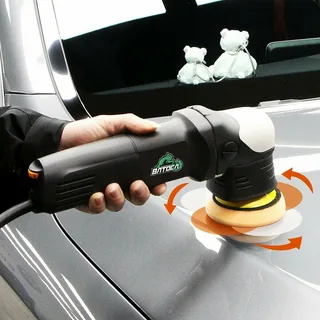
Most professional-grade work today is done with a car paint polishing machine rather than by hand. There are two main types: dual-action (DA) polishers, which are safer and more forgiving, and rotary polishers, which cut faster but can burn through paint if the operator isn’t experienced.
For everyday swirl removal, a DA car paint polishing machine paired with the right pad and compound gets excellent results with far less risk. Rotary tools are usually reserved for heavier correction work on show cars or vehicles with severe oxidation. When you’re comparing quotes from different places, it’s worth asking which machine they use — it tells you a lot about their skill level.
Car Polish and Paint Correction: What’s the Real Difference?
People often use these two phrases as if they mean the same thing, but they don’t quite. Polishing is a single step that removes light imperfections. Car polish and paint correction together describe a multi-stage process — usually a compound stage to cut deeper defects, followed by a finishing polish stage to restore gloss.
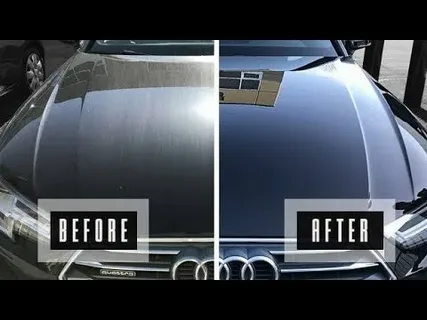
If your paint has genuine swirl marks visible in direct sunlight, holograms from a bad wash routine, or scratches you can catch a fingernail on, you need vehicle paint correction, not a single polish pass. This is the service that actually changes how your car looks from ten feet away, not just up close.
Car Paint Polishing: The Step-by-Step Process
Here’s roughly how a proper car paint polishing job unfolds, whether you’re doing it yourself or watching a professional do it:
- Wash the car thoroughly with a pH-neutral shampoo.
- Clay bar the entire surface to remove embedded grime.
- Tape off trim, rubber seals, and badges.
- Test a small panel with your chosen compound and pad combination.
- Work in small sections, keeping the pad moving to avoid heat buildup.
- Wipe away residue and inspect under a bright light.
- Follow with a finishing polish for maximum gloss.
- Seal the paint with wax or a synthetic sealant.
This sequence is the backbone of every car polish and paint correction job worth paying for. Any shop that skips the clay bar step or the inspection step is cutting corners you’ll notice within weeks.
How to Buff Paint on a Car Without Damaging It
If you’re set on doing this yourself, learning how to buff paint on car panels safely comes down to three rules: keep the pad flat, keep it moving, and never let the machine sit in one spot. Start with the least aggressive pad and product combination that gets results, and only move up to something stronger if needed.
A lot of guides on how to buff paint on car surfaces forget to mention heat. Friction from a machine polisher can heat the clear coat enough to soften it, and if you dwell too long, you’ll burn the paint — leaving a dull or discolored patch that’s very hard to fix. Work in one- to two-foot sections and check your progress constantly.
Car Exterior Paint Detailing: What a Full Package Should Include
A complete car exterior paint detailing package should cover the wash, decontamination, one or two stages of machine polishing, and a protective layer at the end. Some shops bundle in interior detailing too, so read the fine print before assuming “full detail” means your paint is being corrected.
When I finally booked mine, I made sure the shop walked me through exactly which of these steps were included, because I’d been burned once before by a place that just meant “wash and vacuum” when they said detailing.
Car Paint Restoration for Older or Neglected Vehicles
If your car hasn’t seen a proper wash in years, you’re not looking at a quick polish — you’re looking at car paint restoration. This usually involves multiple correction stages, sometimes combined with light sanding on the worst panels, to bring badly oxidized or chalky paint back to life. It takes longer and costs more, but the transformation on a genuinely neglected car can be dramatic.
Auto Paint Polishing at Home vs. Professional Work
Plenty of people manage decent auto paint polishing results at home with an entry-level DA polisher and a good online tutorial. The honest truth is that home results are usually 70-80% as good as professional work, which is a completely reasonable trade-off if you’re on a budget and have a free weekend.
Where professional car polishing pulls ahead is consistency across the whole car, correct pad and compound matching for your specific paint hardness, and the experience to know when a panel needs a different approach than the one next to it.
Mobile Car Paint Polish Near Me: Is It Worth It?
A growing number of people search for mobile car paint polish near me because they don’t want to sit at a shop for half a day. Mobile detailers bring their equipment to your driveway or office parking lot, which is convenient, but ask about their power and water setup — proper polishing needs stable electricity and a clean rinse source, not just a bucket and a generator.
For light exterior car polishing and maintenance work, mobile service is often perfectly adequate. For heavier vehicle paint correction, a shop with a controlled indoor bay usually gives more consistent results because dust and direct sunlight are eliminated.
Same Day Car Paint Polish Near Me: What’s Realistic
If you’re searching for same day car paint polish near me, be realistic about scope. A single-stage polish and wax on a small car can often be finished same day. A full two-stage correction on an SUV or a heavily oxidized vehicle usually can’t be rushed without sacrificing quality — and a shop that promises same-day service on serious correction work is one to be a little cautious of.
Ceramic Coating and Paint Polish Near Me: Should You Combine Them?
Ceramic coatings only bond properly to paint that’s been corrected first, which is why ceramic coating and paint polish near me searches make sense together. Applying a ceramic coating over swirl marks and scratches just locks in those imperfections under a hard, glossy layer — so the polish step isn’t optional if you want a coating to actually look good.
Car Scratch Removal and Paint Shine Enhancement
Most car scratch removal happens through the same compounding and polishing process described above, as long as the scratch hasn’t gone through the clear coat. For scratches you can feel with a fingernail, touch-up paint or a proper repair is needed before any polish will help. For light surface scratches, a good compound pass gives real paint shine enhancement without needing paint or bodywork at all.
Clear Coat Polishing and Car Body Polishing Service Basics
Clear coat polishing is really what all of this comes down to — every technique described here works on that thin protective layer sitting above your actual paint color. A responsible car body polishing service always measures how much clear coat is left before doing aggressive correction, because that layer only gets thinner each time it’s polished, and it doesn’t grow back.
Automotive Paint Detailing: Why Consistency Matters
Good automotive paint detailing isn’t about one lucky panel looking great — it’s about every panel on the car matching in gloss, clarity, and texture once the work is done. This is where a lot of home attempts fall short: the hood looks incredible, but the doors and fenders were rushed, and the difference is obvious in daylight. A real detailing job takes a consistent, methodical approach across the entire vehicle rather than treating a few visible panels as the whole job.
This same consistency is what separates casual exterior car polishing from professional car polishing. A skilled technician checks their work under multiple lighting angles as they go, not just once at the end, and knows exactly how much pressure and dwell time each panel needs. If you’re weighing an affordable car paint polish near me option against a pricier professional car paint polish near me provider, ask each one how they check for consistency across panels — the answer usually tells you everything you need to know about the quality you’ll actually get. And if you do decide to tackle a panel or two yourself first, revisit the basics on how to buff paint on car surfaces before starting, since consistency starts with technique, not equipment.
Choosing the Best Car Paint Polish Near Me
When you’re comparing options for the best car paint polish near me, look past the price alone. Ask what products and pads they use, whether they check paint thickness first, and whether they show before-and-after photos of real customer cars rather than stock images. An affordable car paint polish near me option isn’t automatically a bad choice — plenty of skilled independent detailers charge less than big chains — but cheap and rushed is a different thing entirely.
A genuinely professional car paint polish near me provider will also be upfront if your car doesn’t need full correction and a simple one-step polish will do. That honesty is a good sign you’re dealing with someone who cares about your paint, not just your bill.
Local Car Paint Polish Shop Near Me: What I Learned Choosing One
When I was comparing every local car paint polish shop near me, I called four places and asked the same questions about process, machines, and paint thickness checks. Only one gave me clear, specific answers instead of a generic sales pitch — that was Marwat Garage. Beyond paint correction, they also handled a few other things my car needed at the same visit, including window wipers and washers, some electrical shorts I’d been ignoring for months, and computer controlled circuit repairs for a dashboard warning light that had been on for weeks. Having all of that sorted alongside the paint work in one visit was honestly the best part of the whole experience.
Car Paint Polishing Service Nearby: What to Expect on the Day
Whatever car paint polishing service nearby you choose, expect the visit to start with a walkaround inspection, a discussion of which areas need the most attention, and a rough time estimate. Good shops will show you a test section before committing to the whole car, so you can see and approve the result before they continue.
Car Paint Correction Near Me: How Long Does It Take?
Timeframes for car paint correction near me vary a lot depending on paint condition. A light one-step polish might take two to three hours. A full two-stage correction on a neglected vehicle can take a full day or even span two days for larger vehicles. Rushing this process is the single biggest reason correction jobs disappoint people.
Car Detailing and Paint Polish Near Me: Bundling for Better Value
Many shops offering car detailing and paint polish near me will discount the combined package compared to booking each service separately, since prep work like washing and claying overlaps between both jobs. If you’re already paying for a wash and detail, adding polish on top is usually more cost-effective than doing it as a separate visit later.
What Does It Cost?
Pricing depends heavily on car size, paint condition, and location, but here’s a realistic general range based on typical independent shop pricing:
- Basic single-stage polish (sedan): moderate cost, a few hours of labor
- Two-stage paint correction (sedan): roughly double the single-stage price
- SUV or larger vehicle: expect 20-40% more than sedan pricing
- Full paint restoration on neglected vehicles: the highest tier, priced per hour of labor involved
Always ask for a specific quote after an in-person inspection rather than trusting a flat number quoted over the phone, since paint condition genuinely changes the labor involved.
Final Thoughts From My Own Experience
Getting my Civic properly corrected wasn’t just about vanity — it protected the paint from further oxidation and made it noticeably easier to keep clean afterward. If you’re on the fence about booking a local polishing appointment, my honest advice is to prioritize a shop that explains their process clearly over one that just quotes the lowest price. The difference shows up months later, not on the day you pick up your car.
Frequently Asked Questions
What is the average price to polish a car? Prices vary by region and car size, but a basic single-stage polish typically costs a moderate flat fee, while full paint correction runs higher due to added labor time.
Is polishing good for car paint? Yes, done correctly it removes swirls and restores gloss, though it’s not something that should be repeated too often since it thins the clear coat.
How much does it cost to polish the whole car? Whole-car pricing depends on size and paint condition, generally ranging from a basic one-step price up to double or more for full multi-stage correction.
How do I polish car paint? Wash and clay the surface first, then use a dual-action polisher with the right pad and compound in small, overlapping sections, finishing with a protective sealant.
Can I polish a car myself? Yes, with an entry-level DA polisher and some practice on a hidden panel first, most owners can get solid results at home.
Can polishing remove scratches? Light surface scratches that haven’t broken through the clear coat can usually be polished out; deeper scratches need touch-up paint or bodywork first.
What removes car scratches fast? A rubbing compound applied with a machine polisher is the fastest reliable method for shallow scratches, though very light ones can sometimes be reduced by hand.
Can WD-40 remove car scratches? It can temporarily mask very light scratches by filling them in, but it’s not a permanent fix and doesn’t actually repair the clear coat.
Which car polish removes scratches? A cutting compound or heavy-cut polish designed for scratch removal works best, followed by a finishing polish to restore full gloss.