Car Paint Protection in the UAE: Complete Guide from Marwat Garage
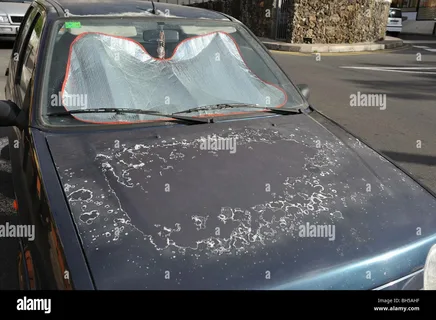
If you drive in Ajman, Sharjah, Dubai, or Abu Dhabi, you already know what UAE summers do to a car’s finish. At Marwat Garage, we see the same story every week — a customer rolls in with a brand-new car, six months old, and the paint already looks tired: sun spots, swirl marks, a fine dust etching from sand storms, bird droppings that baked into the clear coat before anyone noticed. This is exactly why car paint protection has become one of the most requested services at our workshop, and why we wanted to put together a straightforward, no-nonsense guide covering everything you need to know before you spend your money. This isn’t a generic copy-paste piece. Everything below comes from what our technicians actually see on the lift every day — real cars, real UAE conditions, real before-and-after results. Whether you’re comparing car paint protection dubai options, researching car paint protection abu dhabi pricing, or simply trying to understand what best car paint protection abu dhabi shops are offering right now, this guide will walk you through it in plain language. Why Car Paint Protection Matters More in the UAE Than Almost Anywhere Else Heat, UV exposure, sand, and salt air are a brutal combination for a vehicle’s exterior. A factory clear coat is designed to handle normal wear, but it was never built to survive year-round 45°C afternoons and fine desert dust acting like sandpaper every time the wind picks up. That’s the real reason car paint protection isn’t a luxury add-on here — it’s closer to routine maintenance, the same way you’d never skip an oil change. We get asked constantly: how to protect car paint from sun exposure when the car sits outside all day at work or at home? The honest answer is that no single product is a magic shield, but a proper paint protection film, a quality ceramic coating, or a well-applied car paint protection coating dramatically slows down oxidation, fading, and micro-scratching. Combine that with sensible habits — parking in shade, regular rinses to remove dust before it grinds into the surface — and you can add years to a paint job’s life. Understanding the Main Types of Car Paint Protection There isn’t one single “best” answer for every car — it depends on budget, how long you plan to keep the vehicle, and how much daily abuse it takes. Here’s how the main categories break down. Paint Protection Film (PPF) Paint protection film is a clear, self-healing urethane layer applied directly onto the painted panels. It’s the strongest physical barrier available — stone chips, minor key scratches, and light abrasions are absorbed by the film instead of the paint underneath. Many customers come in specifically asking for a car paint protection wrap on the bonnet, mirrors, and front bumper, since these are the panels that take the most impact on Sheikh Zayed Road or the E11. If you’re weighing up a full wrap to protect car paint against a partial front-end kit, it usually comes down to budget. A full-body car paint protection wrap gives complete coverage, while a partial kit protects the highest-risk areas at a lower price point. Ceramic Coating Ceramic coating is a liquid polymer that chemically bonds to the clear coat, creating a hard, glossy, hydrophobic layer. It doesn’t stop stone chips the way PPF does, but it’s excellent against UV fading, chemical etching from bird droppings or tree sap, and everyday swirl marks from automatic car washes. This is the option most people mean when they search ceramic car paint protection, and it’s genuinely one of the best value services we offer. We’re seeing a lot more interest lately in graphene car paint protection too. Graphene-infused coatings behave similarly to standard ceramic but with better heat resistance and self-cleaning properties — a real advantage given how much dust settles on a car left outside in Ajman or Sharjah between washes. If you’re specifically comparing graphene car paint protection in dubai showrooms against what we offer, ask about layer count and cure time, since that’s where quality actually differs, not just the marketing name. Nano car paint protection is essentially the same underlying chemistry marketed under a different name — nano-ceramic particles fill in microscopic imperfections in the clear coat, boosting gloss and slickness. Don’t let the terminology confuse you when you’re comparing quotes. Wax and Sealants Car paint wax is the entry-level option — affordable, easy to apply, and gives a nice temporary shine, but it breaks down within weeks in UAE heat. A paint sealant lasts a bit longer than wax but still needs reapplication every few months. We’re honest with our customers: if you want a real long-term result, wax alone isn’t going to compete with a proper coating or film. Ceramic Coating for Matte Paint One area customers often overlook is matte finishes. Standard glossy ceramic coating for matte paint car applications will actually ruin the finish by adding unwanted shine, so matte vehicles need a specific matte-safe formula. If your car has a factory matte or satin wrap, always confirm with your technician that the product is rated for matte before booking — this single detail makes the difference between a great result and a ruined finish. Car Paint Protection Coating: What’s Actually in the Bottle or Film A lot of customers ask us to simply explain “car paint protection coating” in plain terms. At its core, any car paint coating — ceramic, graphene, or nano — works by adding a sacrificial, chemically resistant layer on top of your factory clear coat. That layer takes the abuse from UV rays, road grime, and minor chemical contamination so your original paint underneath stays protected. It is different from a wrap or film, which is a physical layer rather than a chemical bond, but the goal — coating on car to protect paint from environmental damage — is the same for both approaches. When people ask about car paint coatings in general, we
Car Paint Polish Near Me: A Real Owner’s Guide to Getting Your Car’s Shine Back
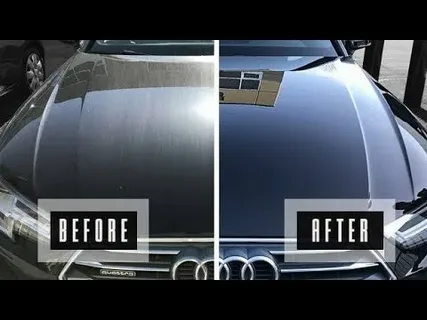
Three months ago my Honda Civic looked like it had been through a sandstorm. Years of sun, dust, bird droppings, and one too many automatic car washes had left the paint dull, swirled, and lifeless. I typed “car paint polish near me” into Google at 11 p.m., half expecting a list of generic shops with stock photos. What I actually needed was someone who understood the difference between a quick wax job and real car paint polish and paint correction. That search eventually led me to Marwat Garage, and this article is everything I learned along the way — from what polishing actually does to your paint, to how much it should cost, to whether you can safely do it yourself in your driveway. If you’re searching for car paint polish near me right now because your car looks tired, this guide will walk you through the entire process in plain language, based on real experience rather than recycled marketing copy. What Is Car Paint Polish, Really? Car paint polish is not the same as wax, even though a lot of people use the words interchangeably. Polish is a mildly abrasive product that removes a microscopically thin layer of clear coat to level out swirl marks, light scratches, oxidation, and water spots. Wax, on the other hand, just sits on top and adds shine and protection. When someone searches for car paint polish online, they usually want their paint to look glossy and new again, not just protected. Understanding this difference matters because it changes what you should expect from any car paint polish near me search. A shop that only offers wax isn’t doing polish work — they’re doing a finishing step, not a correction step. Car Paint Detailing vs. Paint Polishing Car paint detailing is the broader umbrella term. It includes washing, clay bar treatment, polishing, and finally sealing or waxing the paint. Polishing is just one stage inside a full car paint detailing package. Some shops sell “detailing” that’s really just a wash and vacuum, so when you call around, ask specifically whether machine polishing is included. A proper car exterior paint detailing session should always start with a two-bucket wash and a clay bar pass to pull embedded contaminants out of the paint before any polishing begins. Skipping this step is one of the most common shortcuts low-cost shops take, and it’s why the same polish job can look completely different depending on who does it. Sanding Car Paint: When It’s Actually Necessary This is where a lot of DIY videos get people into trouble. Sanding car paint is a legitimate technique, but it’s reserved for deep scratches, heavy orange peel texture, or old, oxidized clear coat that polish alone can’t fix. It’s usually done with very fine wet sandpaper (2000 grit or higher) followed by heavy-cut polishing to restore the surface. I want to be honest here: sanding car paint yourself without experience is risky. Go through the clear coat and you’ll expose bare paint or primer, and that repair is far more expensive than the problem you started with. If a shop suggests sanding, ask them to show you the paint thickness reading first — a reputable place will always check clear coat depth with a gauge before touching sandpaper to your car. Car Paint Polishing Machine: DA vs. Rotary Most professional-grade work today is done with a car paint polishing machine rather than by hand. There are two main types: dual-action (DA) polishers, which are safer and more forgiving, and rotary polishers, which cut faster but can burn through paint if the operator isn’t experienced. For everyday swirl removal, a DA car paint polishing machine paired with the right pad and compound gets excellent results with far less risk. Rotary tools are usually reserved for heavier correction work on show cars or vehicles with severe oxidation. When you’re comparing quotes from different places, it’s worth asking which machine they use — it tells you a lot about their skill level. Car Polish and Paint Correction: What’s the Real Difference? People often use these two phrases as if they mean the same thing, but they don’t quite. Polishing is a single step that removes light imperfections. Car polish and paint correction together describe a multi-stage process — usually a compound stage to cut deeper defects, followed by a finishing polish stage to restore gloss. If your paint has genuine swirl marks visible in direct sunlight, holograms from a bad wash routine, or scratches you can catch a fingernail on, you need vehicle paint correction, not a single polish pass. This is the service that actually changes how your car looks from ten feet away, not just up close. Car Paint Polishing: The Step-by-Step Process Here’s roughly how a proper car paint polishing job unfolds, whether you’re doing it yourself or watching a professional do it: This sequence is the backbone of every car polish and paint correction job worth paying for. Any shop that skips the clay bar step or the inspection step is cutting corners you’ll notice within weeks. How to Buff Paint on a Car Without Damaging It If you’re set on doing this yourself, learning how to buff paint on car panels safely comes down to three rules: keep the pad flat, keep it moving, and never let the machine sit in one spot. Start with the least aggressive pad and product combination that gets results, and only move up to something stronger if needed. A lot of guides on how to buff paint on car surfaces forget to mention heat. Friction from a machine polisher can heat the clear coat enough to soften it, and if you dwell too long, you’ll burn the paint — leaving a dull or discolored patch that’s very hard to fix. Work in one- to two-foot sections and check your progress constantly. Car Exterior Paint Detailing: What a Full Package Should Include A complete car exterior paint detailing package should cover the wash, decontamination,