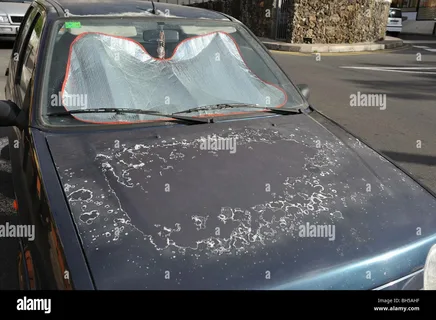
If you drive in Ajman, Sharjah, Dubai, or Abu Dhabi, you already know what UAE summers do to a car’s finish. At Marwat Garage, we see the same story every week — a customer rolls in with a brand-new car, six months old, and the paint already looks tired: sun spots, swirl marks, a fine dust etching from sand storms, bird droppings that baked into the clear coat before anyone noticed. This is exactly why car paint protection has become one of the most requested services at our workshop, and why we wanted to put together a straightforward, no-nonsense guide covering everything you need to know before you spend your money.
This isn’t a generic copy-paste piece. Everything below comes from what our technicians actually see on the lift every day — real cars, real UAE conditions, real before-and-after results. Whether you’re comparing car paint protection dubai options, researching car paint protection abu dhabi pricing, or simply trying to understand what best car paint protection abu dhabi shops are offering right now, this guide will walk you through it in plain language.
Why Car Paint Protection Matters More in the UAE Than Almost Anywhere Else
Heat, UV exposure, sand, and salt air are a brutal combination for a vehicle’s exterior. A factory clear coat is designed to handle normal wear, but it was never built to survive year-round 45°C afternoons and fine desert dust acting like sandpaper every time the wind picks up. That’s the real reason car paint protection isn’t a luxury add-on here — it’s closer to routine maintenance, the same way you’d never skip an oil change.
We get asked constantly: how to protect car paint from sun exposure when the car sits outside all day at work or at home? The honest answer is that no single product is a magic shield, but a proper paint protection film, a quality ceramic coating, or a well-applied car paint protection coating dramatically slows down oxidation, fading, and micro-scratching. Combine that with sensible habits — parking in shade, regular rinses to remove dust before it grinds into the surface — and you can add years to a paint job’s life.
Understanding the Main Types of Car Paint Protection
There isn’t one single “best” answer for every car — it depends on budget, how long you plan to keep the vehicle, and how much daily abuse it takes. Here’s how the main categories break down.
Paint Protection Film (PPF)
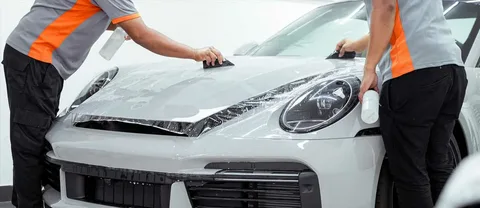
Paint protection film is a clear, self-healing urethane layer applied directly onto the painted panels. It’s the strongest physical barrier available — stone chips, minor key scratches, and light abrasions are absorbed by the film instead of the paint underneath. Many customers come in specifically asking for a car paint protection wrap on the bonnet, mirrors, and front bumper, since these are the panels that take the most impact on Sheikh Zayed Road or the E11.
If you’re weighing up a full wrap to protect car paint against a partial front-end kit, it usually comes down to budget. A full-body car paint protection wrap gives complete coverage, while a partial kit protects the highest-risk areas at a lower price point.
Ceramic Coating
Ceramic coating is a liquid polymer that chemically bonds to the clear coat, creating a hard, glossy, hydrophobic layer. It doesn’t stop stone chips the way PPF does, but it’s excellent against UV fading, chemical etching from bird droppings or tree sap, and everyday swirl marks from automatic car washes. This is the option most people mean when they search ceramic car paint protection, and it’s genuinely one of the best value services we offer.
We’re seeing a lot more interest lately in graphene car paint protection too. Graphene-infused coatings behave similarly to standard ceramic but with better heat resistance and self-cleaning properties — a real advantage given how much dust settles on a car left outside in Ajman or Sharjah between washes. If you’re specifically comparing graphene car paint protection in dubai showrooms against what we offer, ask about layer count and cure time, since that’s where quality actually differs, not just the marketing name.
Nano car paint protection is essentially the same underlying chemistry marketed under a different name — nano-ceramic particles fill in microscopic imperfections in the clear coat, boosting gloss and slickness. Don’t let the terminology confuse you when you’re comparing quotes.
Wax and Sealants
Car paint wax is the entry-level option — affordable, easy to apply, and gives a nice temporary shine, but it breaks down within weeks in UAE heat. A paint sealant lasts a bit longer than wax but still needs reapplication every few months. We’re honest with our customers: if you want a real long-term result, wax alone isn’t going to compete with a proper coating or film.
Ceramic Coating for Matte Paint
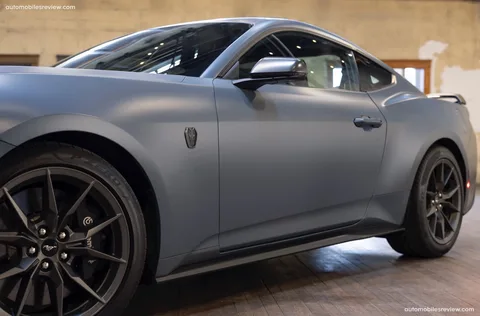
One area customers often overlook is matte finishes. Standard glossy ceramic coating for matte paint car applications will actually ruin the finish by adding unwanted shine, so matte vehicles need a specific matte-safe formula. If your car has a factory matte or satin wrap, always confirm with your technician that the product is rated for matte before booking — this single detail makes the difference between a great result and a ruined finish.
Car Paint Protection Coating: What’s Actually in the Bottle or Film
A lot of customers ask us to simply explain “car paint protection coating” in plain terms. At its core, any car paint coating — ceramic, graphene, or nano — works by adding a sacrificial, chemically resistant layer on top of your factory clear coat. That layer takes the abuse from UV rays, road grime, and minor chemical contamination so your original paint underneath stays protected. It is different from a wrap or film, which is a physical layer rather than a chemical bond, but the goal — coating on car to protect paint from environmental damage — is the same for both approaches.
When people ask about car paint coatings in general, we always start by asking three questions: How long do you plan to keep the car? How much time can you spend on maintenance? And what’s your budget? The answers usually point clearly toward either a ceramic-based car paint coating or a full PPF wrap.
New Car Paint Protection: Should You Do It Before Delivery?
If you’ve just bought a car, this is genuinely the best possible time to invest in new car paint protection. Factory clear coat is at its thinnest and most vulnerable stage before it has ever been buffed or touched, so applying protection now locks in that factory finish before dealership prep scratches, transport swirl marks, or early sun exposure start to age it.
New car paint coating applied within the first few weeks of ownership also means you’re not paying to correct existing damage first — the surface is close to flawless, so the coating bonds evenly and looks its best. The new car paint protection cost is generally lower than protecting an older vehicle precisely because there’s no paint correction labor involved; you’re simply protecting what’s already good rather than fixing swirl marks first.
Is It Worth It on a Used Car?
Yes, but the process is different. A used vehicle almost always needs some level of paint correction — polishing out light swirl marks and oxidation — before any protection product is applied. Skipping this step and slapping a coating over damaged paint just seals the flaws in permanently. At Marwat Garage, we always inspect the paint condition first and quote paint correction as a separate line item so customers know exactly what they’re paying for.
Under Car Paint Protection and Underbody Considerations
Most people only think about the visible panels, but under car paint protection — meaning underbody and wheel-well coatings — matters a lot in the UAE too, especially if you drive off-road tracks near the mountains or coastal roads where salt air is a factor. A rubberized underbody coating or a ceramic-based undercoat resists corrosion and stone chipping from gravel roads, extending the life of components that are otherwise hidden and easy to forget about.
Car Paint Protection Cost: What Actually Drives the Price
Car paint protection coating price and paint protection cost for car in general depend on four main factors: vehicle size, paint condition, coating tier (single-layer ceramic versus multi-layer graphene versus full PPF), and coverage area (full body versus partial). As a rough guide for the local market:
- A standard ceramic package for a sedan typically starts in the AED 800–1,500 range.
- Graphene or premium multi-layer ceramic coatings usually run AED 1,800–3,500 depending on vehicle size.
- Partial PPF (bonnet, front bumper, mirrors) generally starts around AED 3,500–6,000.
- Full-body PPF wraps for a mid-size SUV can range from AED 9,000 to well over AED 18,000 for premium film brands on a luxury car paint protection job.
We always recommend getting an in-person quote rather than relying on price lists alone, since paint protection cost for car varies with your specific vehicle’s condition. A car paint protection coating price quoted for a fresh European luxury vehicle is going to look different from the same package on a used family sedan with existing swirl marks.
Car Paint Protection Services at Marwat Garage
Our car paint protection services cover the full range: ceramic and graphene coatings, matte-safe formulas, partial and full-body PPF, wax and sealant top-ups, and underbody protection. We also handle paint correction and interior detailing for customers who want the complete package rather than a single treatment. Car interior paint and trim protection is often bundled with exterior packages too, since UV damage doesn’t stop at the dashboard — plastic trim, leather, and interior paintwork on classic or restored vehicles all fade under the same sun that damages your exterior clear coat.
Beyond paint protection, Marwat Garage is a full-service workshop across our Ajman and Sharjah locations. If your car needs deeper mechanical attention alongside its cosmetic care, we also handle engine performance service, fuel injection service, and fuel pump service — so a single visit can cover both how your car looks and how it runs.
Choosing Between PPF, Ceramic, and a Combined Approach
A lot of customers ask us directly: is PPF better or ceramic? The honest answer is that they solve different problems. PPF is a physical shield against chips and scratches; ceramic is a chemical shield against UV, oxidation, and staining. The best-protected cars we see on our lifts often have both — PPF on the high-impact front panels, topped with a ceramic layer for gloss, easier cleaning, and added UV resistance everywhere else. If your budget only stretches to one, think about your driving conditions: frequent highway driving and gravel roads favor PPF first; daily UAE sun exposure with less rock-chip risk favors ceramic first.
Long-Lasting Results and Maintenance
A long lasting car paint protection result depends as much on aftercare as it does on the product itself. Avoid automatic brush car washes in the first two weeks after any coating or film application, use pH-neutral shampoo, and don’t use abrasive microfiber towels that have picked up grit. Ceramic coatings typically last two to five years depending on tier, while quality PPF is commonly rated for seven to ten years before it needs replacing.
Car Paint Protection Across Dubai, Abu Dhabi, and the Wider UAE
We regularly get calls from outside Ajman and Sharjah, and it’s worth addressing directly. Demand for car paint protection dubai has grown fast over the last few years as more owners realize how quickly the sun damages an unprotected finish, and pricing for car paint protection in dubai tends to run a little higher than our own rates simply because of overheads in that market. The same applies to car paint protection abu dhabi — workshops there charge a premium, and searches for best car paint protection abu dhabi often lead customers straight back to comparing us on both price and quality once they see what a proper Ajman or Sharjah-based service actually includes.
If you’re specifically hunting for a car film paint protection dubai installer, ask about film brand, warranty length, and whether the quote includes edge-wrapping — cheap installers skip this and the film lifts within a year. The same goes for anyone comparing graphene car paint protection in dubai listings: graphene car paint protection should include a clear layer count and cure-time guarantee, not just a marketing label.
We also see plenty of customers typing “ceramic car paint protection near me” or simply “car paint protection near me” into Google before they ever contact a shop directly. If that’s you, the honest advice is to visit in person, get your paint inspected under proper lighting, and compare quotes rather than booking blind off a listing. Ceramic car paint protection quality varies enormously between shops using the same product name, and for owners of high-end vehicles asking about luxury car paint protection, we always recommend a multi-layer graphene or premium ceramic system paired with a proper wash routine rather than the cheapest package on offer.
For anyone weighing nano car paint protection against a standard ceramic package, remember it’s largely the same underlying nano-ceramic chemistry — what actually separates a good best car paint protection package from a mediocre one is surface prep, cure time, and the technician’s experience, not the label on the bottle. And once any coating is applied, a light car paint protection wax top-up every few months helps maintain the beading effect and keeps the surface looking fresh between full services.
Sprays, Wraps, and Quick Treatments Explained
Not every customer wants a full coating or film right away. Plenty of people start with a simple car paint protection spray as a stop-gap between bigger services, and it’s a reasonable option if you just need short-term protection before a road trip or before selling the car. It’s worth being clear, though, that any spray-on paint protection treatment for car use is a temporary layer at best — it washes off within a few weeks and isn’t a substitute for a real coating on car to protect paint over the long term.
Similarly, if your only goal is to guard against door-edge dings or minor stone chips, a small wrap to protect car paint on the door edges and mirror caps can be a cost-effective middle ground before committing to a full car film paint protection package. Customers often ask us to explain the difference between paint protection for car use generally versus a dedicated product line — in plain terms, “paint protection car” services simply refers to the whole category: coatings, films, sprays, and wax, all aimed at the same outcome of a longer-lasting finish.
When it comes to car paint ceramic coating specifically, we always test for the best ceramic coating for car paint based on your paint type, color, and finish rather than pushing a single product on every vehicle. Darker colors typically show swirl marks faster and benefit from a higher-tier package, while lighter colors can often get away with a mid-range option. If you’re simply comparing which is the best car paint coating for your budget, ask your technician to show you sample panels finished in each tier so you can see the gloss difference yourself before deciding. We keep a range of car paint coatings on hand precisely so customers aren’t locked into a one-size-fits-all recommendation, and if you’re specifically after a new car paint coating before your first wash, book it within the first two weeks of delivery for the best bonding results.
A properly applied ceramic coating for matte paint car finish should leave zero added gloss — if a shop can’t show you a matte-safe sample beforehand, walk away, because that’s the single most common mistake we see corrected on cars that came to us after a bad job elsewhere.
On pricing, customers frequently ask how to protect car paint on a tight budget, and the honest answer is that a mid-tier ceramic package usually gives the best value-to-durability ratio. For a rough sense of car paint protection coating price ranges and new car paint protection cost, expect entry ceramic packages to sit at the lower end we outlined earlier, while under car paint protection for the underbody and wheel wells adds a modest amount on top — usually a worthwhile investment if you drive on gravel or coastal roads regularly. Full car paint protection services, including car interior paint and trim treatment, are typically quoted as a bundle once we’ve inspected the vehicle, since paint protection cost for car work always depends on current condition more than any fixed price list.
If your priority is simply to protect car paint from scratches during daily driving — shopping trolleys, tight parking, curbside scrapes — a partial PPF kit on doors and bumpers paired with a mid-tier coating gives you long lasting car paint protection without the expense of a full-body wrap, and remains one of the most requested combinations we install.
The Science Behind Paint Protection
Every product in this space, regardless of branding, is built around the same core idea: automotive paint protection exists to place a sacrificial, resistant layer between your factory finish and the environment. A vehicle paint coating — whether ceramic, graphene, or a physical film — works by either chemically bonding to or physically covering the clear coat, giving you genuine car exterior protection against UV, oxidation, and minor abrasion.
A traditional paint sealant for cars works on the same principle as wax but with a more durable synthetic polymer base, giving a bit more clear coat protection between full coating applications. What separates a basic sealant from proper automotive surface protection is longevity and chemical resistance — a synthetic sealant might last three to six months, while a bonded ceramic or graphene layer is built for years of car paint preservation under harsh sun exposure.
Photographically, you can usually spot the difference between shops offering genuine vehicle finish protection and ones cutting corners: ask to see the product’s cure log or application checklist. A shop confident in its ceramic coating for cars process, or its paint protection film for cars installation, will happily walk you through prep, application, and curing steps rather than rushing the job in an hour.
Putting It All Together: Making the Right Call for Your Car
By now you’ve seen every angle we cover at Marwat Garage, so let’s bring it back to something practical. If you’re simply comparing car film paint protection against a liquid coating, remember film protects against physical impact while coatings protect against chemical and UV damage — most owners eventually want both. Anyone still shopping around for car paint protection dubai pricing against our Ajman and Sharjah rates will usually find our quotes competitive once labor quality and product tier are matched apples-to-apples, and the same goes for best car paint protection abu dhabi comparisons.
A few smaller but common questions round out this guide. Coating on car to protect paint from bird droppings and tree sap is one of the most common reasons owners book a ceramic package in the first place, since acidic contaminants etch unprotected clear coat within hours in UAE heat. If your goal is simply a wrap to protect car paint on high-wear edges, our technicians can quote that as a standalone job without a full-body commitment. For anyone comparing car paint coatings and asking which is the best car paint coating for a specific paint color, darker vehicles generally show the best gloss improvement from a graphene-based product, while a new car paint coating on a lighter color often looks excellent with a standard ceramic tier.
We also get regular questions about ceramic coating for matte paint car finishes and how a spray-applied car paint protection spray compares to a bonded coating — sprays are fine for a quick top-up but were never designed to replace a proper application. If cost is the deciding factor, ask us directly about nano car paint protection pricing versus a standard ceramic package, since the actual difference in new car paint protection cost between the two is often smaller than customers expect. A basic car paint wax remains the cheapest short-term option, and applying car paint protection wax over an existing coating is a perfectly reasonable way to extend gloss between full services.
For customers researching a car film paint protection dubai provider before travelling to us, or comparing paint protection for car quotes generally, our advice stays the same: ask to see completed work in person. And if your priority is interior longevity too, ask about car interior paint and trim protection alongside your exterior package, since UAE sun damages leather and plastics just as aggressively as clear coat.
Any paint protection car decision ultimately comes down to matching the product to how you actually use the vehicle. A car paint ceramic coating suits most daily drivers perfectly well, while the best ceramic coating for car paint enthusiasts who want maximum gloss and hydrophobic performance is usually a premium multi-layer graphene system. Either way, understanding how to protect car paint from sun damage, road grime, and daily wear is the real goal — the specific product name matters less than proper application and aftercare.
Under the hood, the principles are the same ones detailing professionals rely on everywhere: automotive paint protection is about creating a barrier, vehicle paint coating chemistry determines how long that barrier lasts, and genuine car exterior protection only comes from correct surface prep beforehand. A quality paint sealant for cars or full coating both aim to deliver real clear coat protection, and true automotive surface protection depends on layering the right products in the right order. Done properly, this is how you achieve lasting car paint preservation and real vehicle finish protection — not a one-time treatment, but an ongoing system matched to UAE conditions. Whether you go with ceramic coating for cars or a dedicated paint protection film for cars installation, and whatever your plan to protect car paint from scratches day to day, the fundamentals stay consistent.
One last note before the FAQs: every paint protection treatment for car use we install starts with the same conversation — what’s the best car paint coating for your specific paint, how often will you actually wash it, and is this a car paint protection spray top-up or a full job? A basic car paint protection wax layer, a proper paint protection car package, luxury car paint protection for a premium vehicle, ceramic car paint protection near me searches, and even a car film paint protection dubai booking all lead back to the same starting point at Marwat Garage: an honest inspection first. From there, whether it’s car paint ceramic coating, the best ceramic coating for car paint enthusiasts want, graphene car paint protection in dubai style multi-layer systems, general paint protection for car use, or simply learning how to protect car paint from sun damage, we’ll walk you through it without the sales pressure.
FAQs: Your Car Paint Protection Questions Answered
What is the best way to protect the paint on a car? A combination of PPF on high-impact panels and a ceramic or graphene coating over the rest of the body gives the strongest, longest-lasting protection. For most daily drivers in the UAE, a good ceramic coating alone is usually enough, and any paint protection treatment for car use should start with a proper inspection first.
Is paint protection worth it on a used car? Yes, but only after any needed paint correction is done first. Coating over existing swirl marks or oxidation just locks the damage in rather than fixing it.
What is the price of PPF coating in the UAE? Partial PPF packages typically start around AED 3,500, while full-body wraps range from roughly AED 9,000 to AED 18,000+ depending on car size and film brand.
What is the downside of PPF? It’s the most expensive option, installation takes longer than a coating, and poor-quality film can yellow or lift at the edges over time if it’s not installed correctly.
Can we wash a car after PPF? Yes, but wait at least a week to let the film fully cure, and avoid automatic brush washes — hand washing with a pH-neutral shampoo is safest.
Is PPF better or ceramic? PPF protects against physical damage like chips and scratches; ceramic protects against UV, oxidation, and staining. Many owners use both together for full coverage.
Can I go through a carwash with PPF? A touchless or hand wash is fine once the film has cured, but avoid automatic brush washes since stiff brushes can lift film edges over time.
How long does PPF last? Quality film typically lasts seven to ten years with proper care, though UAE heat and sun exposure can shorten that if the car isn’t maintained correctly.
Can you wax a car with PPF coating? Yes, a film-safe wax or sealant can be applied over PPF for extra gloss and slickness, as long as it’s specifically labeled safe for use on film.
Whether you’re after basic car paint wax for a quick refresh, a full car paint protection wrap, or a premium graphene ceramic package, the right choice always comes down to your budget, how long you’re keeping the car, and how it’s driven day to day. At Marwat Garage in Ajman and Sharjah, we walk every customer through paint condition, realistic pricing, and product options before any work begins — no upsells, no guesswork. If you’re comparing ceramic car paint protection near me options across the UAE, come see us for a straightforward inspection and quote before you decide.