
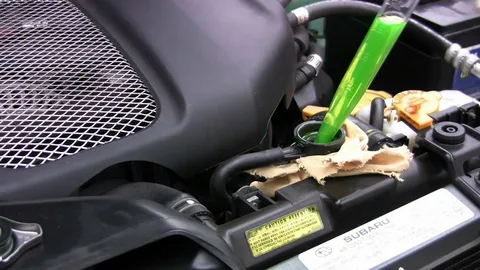
A car radiator flush and clean is one of the most important maintenance procedures that vehicle owners often overlook. The radiator plays a critical role in regulating engine temperature, preventing overheating, and ensuring optimal engine performance. Over time, rust, scale deposits, dirt, and contaminated coolant can accumulate inside the cooling system, reducing efficiency and potentially causing costly engine damage.
Whether you drive a compact sedan, SUV, pickup truck, or luxury vehicle, understanding how to flush and clean your radiator can save you money on repairs while improving the overall health of your engine. In this comprehensive guide, we’ll explain everything you need to know about radiator flushing, including benefits, signs your radiator needs cleaning, step-by-step instructions, costs, and frequently asked questions.
What Is a Car Radiator Flush and Clean?
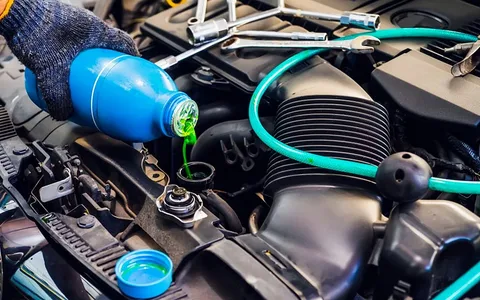
A radiator flush and clean is the process of removing old coolant, contaminants, rust particles, and debris from your vehicle’s cooling system. The procedure involves draining the existing coolant, flushing the system with water or a specialized radiator flush solution, and refilling it with fresh coolant.
Unlike a simple coolant top-up, a complete radiator flush removes harmful deposits that can restrict coolant flow and reduce heat transfer efficiency.
The cooling system consists of several components:
A thorough radiator cleaning helps maintain all these components by ensuring clean coolant circulates freely throughout the system.
Why Is a Radiator Flush Important?
Many drivers underestimate the importance of cooling system maintenance. Fresh coolant not only prevents freezing and overheating but also contains additives that protect against corrosion and scale buildup.
Key Benefits of a Car Radiator Flush and Clean
1. Prevents Engine Overheating
Dirty coolant cannot efficiently transfer heat away from the engine. A clean radiator allows coolant to circulate properly and maintain optimal operating temperatures.
2. Improves Cooling Efficiency
Removing sludge and debris restores the radiator’s ability to dissipate heat effectively.
3. Extends Engine Life
Consistent operating temperatures reduce stress on engine components, helping them last longer.
4. Prevents Corrosion
Old coolant loses its anti-corrosion properties over time, leading to rust formation inside the cooling system.
5. Enhances Fuel Efficiency
An engine running at proper temperature generally performs more efficiently, which may contribute to improved fuel economy.
6. Reduces Repair Costs
Regular radiator maintenance helps prevent expensive repairs such as:
- Blown head gaskets
- Cracked engine blocks
- Failed water pumps
- Damaged thermostats
- Radiator replacement
Signs Your Car Needs a Radiator Flush and Clean
Several warning signs indicate your cooling system requires attention.
Engine Overheating
If your temperature gauge consistently rises above normal, contaminated coolant may be restricting heat transfer.
Discolored Coolant
Healthy coolant is usually bright green, orange, yellow, pink, or blue depending on the type. Brown or rusty coolant suggests contamination.
Sweet Smell from the Engine Bay
Coolant leaks often produce a sweet odor around the vehicle.
Visible Rust or Debris
Inspect the radiator cap area. Rust particles or sludge indicate internal contamination.
Heater Performance Issues
A clogged cooling system can affect cabin heating performance.
Coolant Warning Light
Many modern vehicles include cooling system warning indicators.
Frequent Coolant Top-Ups
If coolant levels drop frequently, there may be leaks or system contamination.
How Often Should You Flush Your Radiator?
The recommended interval depends on the manufacturer and coolant type.
General Guidelines
- Traditional coolant: Every 30,000 miles or 2 years
- Extended-life coolant: Every 50,000 to 100,000 miles
- Heavy-duty vehicles: Follow manufacturer recommendations
Always consult your vehicle owner’s manual for exact service intervals.
Tools and Materials Needed
Before starting a radiator flush and clean, gather the following:
- Fresh coolant
- Distilled water
- Radiator flush solution
- Drain pan
- Funnel
- Safety gloves
- Safety glasses
- Socket set
- Clean rags
- Coolant tester (optional)
Using distilled water is highly recommended because it contains fewer minerals that can cause scale buildup.
Step-by-Step Guide to Car Radiator Flush and Clean
Step 1: Let the Engine Cool
Never open the radiator cap on a hot engine. Wait until the vehicle has cooled completely.
Step 2: Locate the Radiator Drain Valve
Position a drain pan underneath the radiator and locate the drain valve or petcock.
Step 3: Drain Old Coolant
Open the drain valve carefully and allow all coolant to flow into the drain pan.
Step 4: Close the Drain Valve
Once drained, securely close the valve before proceeding.
Step 5: Add Radiator Flush Solution
Pour the radiator cleaning solution into the radiator according to manufacturer instructions.
Step 6: Fill with Water
Add distilled water until the radiator reaches the proper level.
Step 7: Run the Engine
Start the vehicle and allow it to reach operating temperature. This circulates the cleaning solution through the cooling system.
Step 8: Shut Off and Cool Down
Turn off the engine and allow it to cool completely.
Step 9: Drain Again
Drain the cleaning solution and contaminants from the radiator.
Step 10: Repeat if Necessary
Heavily contaminated systems may require multiple flushes.
Step 11: Refill with Fresh Coolant
Add the recommended coolant mixture for your vehicle.
Step 12: Bleed Air from the System
Some vehicles require bleeding procedures to remove trapped air pockets.
Step 13: Check for Leaks
Inspect all hoses, fittings, and connections for leaks.
Common Causes of Radiator Contamination
Understanding what causes contamination can help prevent future problems.
Rust Formation
Metal components inside the cooling system can rust when coolant additives degrade.
Mineral Deposits
Using hard water instead of distilled water can cause scale buildup.
Coolant Breakdown
Old coolant eventually loses its protective properties.
Oil Contamination
A damaged head gasket can allow oil to mix with coolant.
External Debris
Dirt, leaves, and insects can block airflow through radiator fins.
DIY vs Professional Radiator Flush
DIY Radiator Flush
Advantages:
- Lower cost
- Convenient
- Good learning experience
Disadvantages:
- Time-consuming
- Risk of improper bleeding
- Potential coolant disposal issues
Professional Service
Advantages:
- Specialized equipment
- Thorough cleaning
- Expert inspection
Disadvantages:
- Higher cost
- Requires scheduling
Many repair shops use pressurized flushing equipment that can remove stubborn contaminants more effectively than basic DIY methods.
How Much Does a Radiator Flush Cost?
Costs vary depending on vehicle type and location.
DIY Cost
Typical range:
- Coolant: $20–$60
- Flush solution: $10–$20
- Miscellaneous supplies: $10–$20
Estimated total:
$40–$100
Professional Cost
Most repair facilities charge between:
$80–$250
Luxury and heavy-duty vehicles may cost more.
Best Practices for Maintaining a Clean Radiator
Preventive maintenance is easier and cheaper than repairs.
Inspect Coolant Regularly
Check coolant color and level monthly.
Use Manufacturer-Approved Coolant
Always use coolant specified by your vehicle manufacturer.
Keep Radiator Fins Clean
Remove dirt and debris from the radiator’s exterior.
Check Hoses Frequently
Replace cracked or deteriorated hoses promptly.
Monitor Engine Temperature
Pay attention to temperature gauge readings during driving.
Schedule Routine Cooling System Maintenance
Following recommended service intervals helps prevent major issues.
Frequently Asked Questions
Can I Flush My Radiator with Just Water?
Water can remove some contaminants, but a dedicated radiator flush solution provides better cleaning performance.
Is a Radiator Flush Really Necessary?
Yes. Over time, coolant degrades and contaminants accumulate, reducing cooling efficiency and increasing the risk of engine damage.
How Long Does a Radiator Flush Take?
A typical DIY radiator flush takes between one and three hours depending on vehicle complexity.
What Happens If You Never Flush Your Radiator?
Neglecting cooling system maintenance can lead to:
- Overheating
- Corrosion
- Reduced radiator efficiency
- Water pump failure
- Expensive engine repairs
Can a Radiator Flush Fix Overheating?
If overheating is caused by clogged coolant passages or contaminated coolant, a flush may help. However, other problems such as thermostat failure or coolant leaks may require additional repairs.
Should I Replace the Thermostat During a Flush?
Many mechanics recommend replacing an aging thermostat during major cooling system maintenance because it is relatively inexpensive and critical to engine temperature regulation.
Expert Tips for Maximum Cooling System Performance
Experienced technicians recommend:
- Using only distilled water for coolant mixtures
- Flushing the system according to manufacturer schedules
- Replacing radiator caps when worn
- Inspecting the water pump during coolant service
- Using high-quality coolant products
- Addressing leaks immediately
These practices can significantly extend the lifespan of your cooling system.
Final Thoughts
A car radiator flush and clean is one of the most valuable preventive maintenance services you can perform. It helps prevent overheating, protects engine components, improves cooling system efficiency, and reduces the risk of expensive repairs. Whether you choose a DIY approach or professional service, keeping your radiator clean ensures your engine operates at the correct temperature year-round.
Regular radiator maintenance is a small investment that can deliver substantial long-term benefits. By following proper service intervals and using the correct coolant, you can maximize vehicle reliability, performance, and engine longevity for many years to come.