Tie Rod End Replacement
Tie Rod End Replacement in Ajman — Marwat Garage Ajman
Steering should feel precise and predictable. You turn the wheel, the car goes where you point it — with no play, no wandering, no shimmy through the steering wheel.
When a tie rod end wears out, that precision disappears. The steering develops looseness. The car pulls. Tyre wear becomes uneven and accelerated. And in a worst-case scenario, a severely worn tie rod end can separate — removing your ability to steer the vehicle entirely.
At Marwat Garage Ajman, tie rod end replacement is one of the most common steering and suspension services we carry out. It is straightforward when caught early. It becomes expensive when ignored.
What a Tie Rod End Does
The steering system translates your inputs at the wheel into physical movement of the front wheels. The tie rod is the link that carries that movement from the steering rack out to each front wheel.
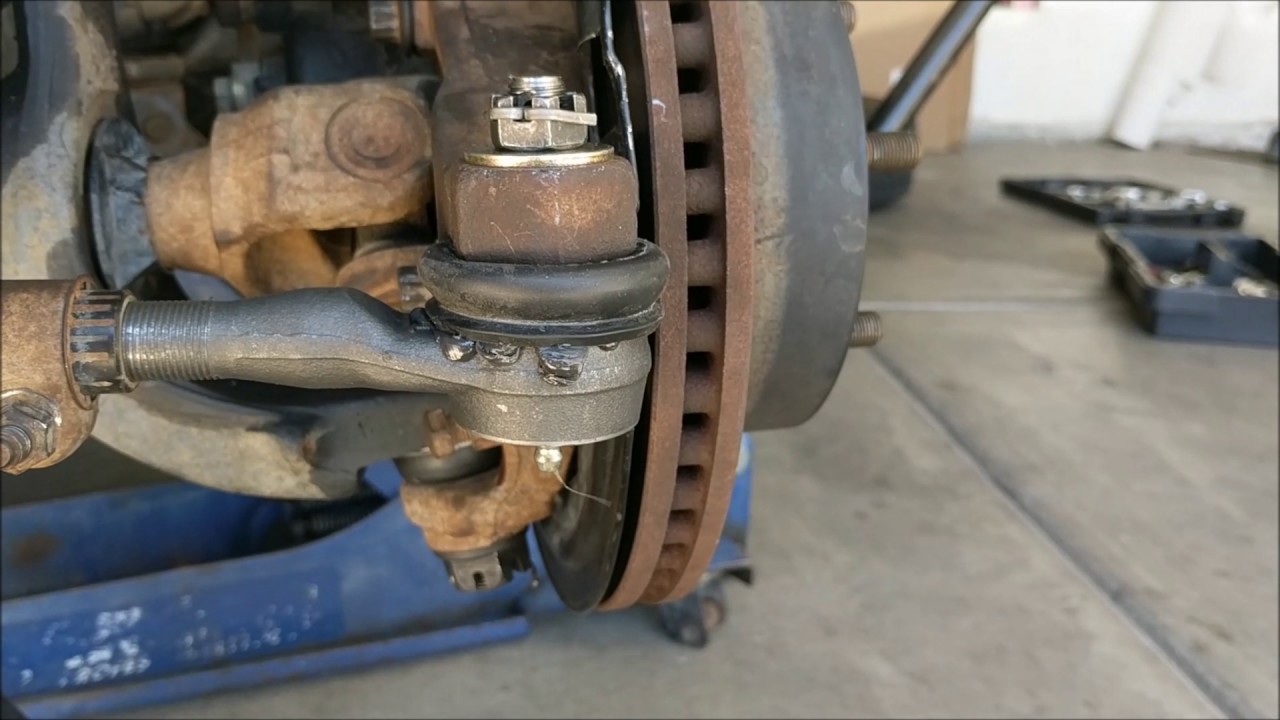
At the outer end of each tie rod sits the tie rod end — a ball-and-socket joint that allows the steering system to move through the full range of suspension travel and steering angle simultaneously.
This joint is under constant load. It handles steering forces, suspension movement, road impacts, and the weight of the vehicle — all at the same time. The ball moves inside a lubricated socket, sealed by a rubber boot that keeps grease in and contamination out.
When the rubber boot fails, grease escapes, dirt enters, and the joint wears rapidly. When the joint wears enough, the ball has excessive play inside the socket — and that play translates directly into imprecise, unpredictable steering.
Signs Your Tie Rod Ends Need Replacing
- Loose or vague steering feel A steering wheel that feels imprecise — where small corrections do not produce an immediate, direct response — is often caused by worn tie rod end play. The looseness in the joint absorbs part of your steering input before it reaches the wheel.
- Steering wheel vibration Worn tie rod ends can produce a shimmy or vibration through the steering wheel, particularly at certain speeds. This is often mistaken for a wheel balancing issue, but returns quickly after balancing if the joint is the root cause.
- Uneven or rapid tyre wear Tie rod ends directly affect wheel alignment. A worn joint allows the wheel toe angle to shift — causing the tyre to scrub against the road surface rather than rolling cleanly. Feathering or one-sided wear on the front tyres is a common result.
- Clunking or knocking sound over bumps A worn ball joint with excessive play produces a knocking sound when the suspension moves over bumps or during steering inputs. On tie rod ends, this clunk is typically felt through the steering wheel as well as heard.
- Car pulling to one side If the vehicle consistently pulls to one side — particularly after the alignment has been checked and is correct — a tie rod end that is allowing the wheel to move out of alignment under load may be responsible.
- Visible boot damage A torn or cracked rubber boot on the tie rod end is a definitive sign that the joint needs replacing soon, even if the joint itself has not yet developed noticeable play. Once the boot fails, rapid joint wear is inevitable.
Other Car Repair Services
- EPS Module Repair
- Steering Rack Repair
- Front Shock Absorber Replacement
- Rear Shock Absorber Replacement
- Suspension Lower Arm Replacement
- Noises with Car Suspension & Steering
- Link Rod Replacement
- Tie Rod End Replacement
- Fuel Pump Replacement
- Gear Box Mounting Replacement
- Front Shocker Mount Replacement
- Engine Mounting Replacement
- Car Wash & Wax
- Premium Top Wash
- Water Pump Replacement
- ECM Repair
- Power Window Repair
- Door Latch Replacement
- Mud Flaps
- Starter Motor Repair
Inner vs. Outer Tie Rod Ends — Understanding the Difference
Each front wheel has two tie rod joints: an inner tie rod end connecting to the steering rack, and an outer tie rod end connecting to the steering knuckle at the wheel.
Outer tie rod ends are the more commonly replaced component — they sit in a more exposed position and are subject to greater angular movement. Inner tie rod ends last longer but do fail, particularly on high-mileage vehicles.
Symptoms of inner and outer tie rod end failure are similar. Proper diagnosis identifies which joint is at fault.
At Marwat Garage Ajman, we inspect both inner and outer tie rod ends during every steering system check and replace only what is necessary.
The Replacement Process at Marwat Garage Ajman
The vehicle is lifted and the affected front wheel removed. The tie rod end is inspected with the wheel off — checking for play in the joint by physically moving it and feeling for looseness or roughness.
The outer end is separated from the steering knuckle, and the tie rod end is unthreaded from the tie rod shaft. The number of turns required to remove the old end is recorded — this is used to set the new end at approximately the same position, preserving the existing alignment as closely as possible.
The new tie rod end is threaded to the same position and the lock nut torqued to specification. The joint is reconnected to the steering knuckle and the wheel refitted.
After tie rod end replacement, a four-wheel alignment is always required. The toe setting is affected by this work, and driving with incorrect toe causes rapid tyre wear and imprecise steering. We carry this out as standard — not as an optional extra.
The full service including alignment takes approximately six hours. A one-month warranty is provided on the replacement component.
Frequently Asked Questions
We now have an FAQ list that we hope will help you answer
some of the more common ones.
The cost varies depending on your car’s make, model, and the type of key system it uses. Basic remote key fob programming is affordable, while smart key and proximity key programming for newer vehicles may cost more due to the advanced software required. Call us on +971-564761112 for a specific quote for your car.
In most cases, yes — but it depends on the make and model. Some vehicles require at least one working key to programme a new remote, while others allow a complete key replacement via OBD2 access. Our technicians will advise you after a quick diagnostic check.
If a fresh battery has not solved the problem, your key fob may have lost its synchronisation with the car’s ECU — this is a common issue after a battery change or flat car battery. The fix is a simple reprogramming, which we can do while you wait at our garage in Ajman.
Most key fob programming jobs take between 30 minutes and one hour. Smart key programming for newer models may take slightly longer if it requires extended ECU communication. We will give you an accurate time estimate when you bring in your vehicle.
We can source compatible replacement key fob shells and remotes for most popular vehicle makers sold in the UAE. If you already have a new fob, we can programme it for you. Call ahead to confirm availability for your specific model.
Got a questions?
Pulvinar neque laoreet suspendisse interdum consectetur libero id faucibus nisl. Lectus urna duis convallis convallis tellus.
Schedule Your Appointment Today
Your Automotive Repair & Maintenance Service Specialist