Car Paint Protection Film Near Me: A Complete UAE Buyer’s Guide
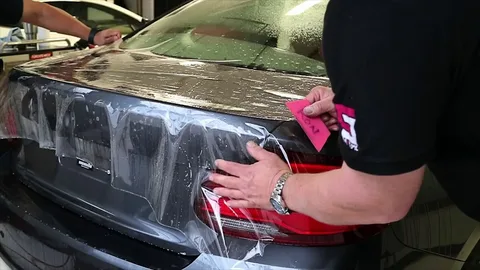
The first time someone asks me about car paint protection film near me, it’s usually right after a stone chip has just landed on a brand-new bonnet on Sheikh Zayed Road. That’s the moment PPF stops being a nice-to-have and starts being the obvious answer. After spending time comparing installers across Ajman, Dubai and Sharjah, the pattern is always the same: people search car paint protection film near me expecting a simple yes-or-no answer, but the real decision involves film type, coverage, and who’s actually doing the installation. This guide covers everything you need before booking car paint protection film near me — what it actually is, what it costs, how it compares to ceramic coating, and which questions to ask before handing over your keys. What Is Car Paint Protection Film? Car paint protection film is a clear, tough polyurethane layer applied over factory paint to absorb stone chips, light scratches and sun damage before they ever reach the color coat. Most people simply call it car paint film, though the industry term is paint protection film, or PPF for short. A car body paint protection film essentially works as armor for the panels that take the most abuse: bonnet, front bumper, mirrors and door edges. Unlike a wax or sealant, car paint protection film is a physical barrier rather than a chemical one. It’s the same reason people search clear car paint protection film specifically — the whole point is that it should be invisible once installed, protecting the finish without changing how the car looks. If you’re comparing car paint protection film near me options right now, that invisibility is exactly what separates a good installer from a mediocre one. TPU vs. Older PPF Materials Modern tpu car paint protection film has replaced older PVC-based films almost entirely, and for good reason. TPU is more flexible, resists yellowing far longer, and includes a self-healing top layer that smooths out light swirl marks with a bit of heat. If you’re comparing a new car paint protection film install against whatever was on a used car you just bought, assume the old film is PVC-based and due for a full replacement rather than a patch job. Types of Paint Protection Film Finishes Not every car paint protection film looks the same once it’s on. Whichever finish you pick, the underlying job is the same: vehicle paint protection that survives sand, sun and daily driving without needing constant touch-ups. Brands: XPEL, SunTek and 3M Car Paint Protection Three names dominate almost every serious conversation about film quality in this market. Any of these three, properly installed, will outperform a generic unbranded film by a wide margin, especially in UAE heat where cheaper films tend to yellow or lift at the edges within a year or two. Where PPF Actually Gets Applied A full wrap covers every exterior panel, but most owners start smaller. A front bumper PPF installation alone protects the single most chip-prone panel on any car, since it takes the brunt of highway debris and parking scrapes. From there, common packages add the bonnet, mirrors, door edges and headlights, working up to a complete car paint protection film installation once budget allows. Paint Protection Film Installation: What Actually Happens A proper paint protection film installation is not a rushed job, and this is exactly where a shop’s experience shows. If you’re researching how to do paint protection film installation yourself, know that a professional PPF installation gets meaningfully better results than a DIY attempt on curved panels like bumpers and mirrors, where stretching the film evenly without bubbles takes real practice. Car Paint Protection Film Cost in the UAE Car paint protection film cost varies enormously depending on coverage, film brand and vehicle size. A front bumper alone sits at the affordable end of car paint protection film cost, while a full car paint protection film cost for total coverage — bonnet, bumpers, mirrors, full body — sits much higher, especially with a premium brand like XPEL or SunTek. Cost of paint protection film for car work also depends on complexity: a car with sharp body lines or wide panels takes longer to fit than a simpler shape, and that labor time shows up in the quote. When comparing car paint protection film cost between shops, ask specifically whether the quote includes full coverage or partial coverage, since that single detail explains most of the price gap between quotes that otherwise look wildly different for the same car. This is exactly why price alone should never be the deciding factor when you search car paint protection film near me — the cheapest quote often means the least coverage or the weakest film. Is Paint Protection Film Worth It? For UAE conditions specifically, yes — sun, sand and stone chips make vehicle paint protection genuinely useful rather than optional. Car scratch protection alone justifies the cost for anyone planning to keep a car more than a couple of years, since the resale value difference between a chipped bonnet and a protected one is real and noticeable. PPF vs. Ceramic Coating This comparison comes up constantly, and the honest answer is that they solve different problems. Ceramic coating adds gloss and makes washing easier by resisting water spots and light dirt, but it does nothing physical against a stone chip. Car paint protection film, on the other hand, is a genuine physical barrier but doesn’t add the same hydrophobic shine on its own. Many owners in Ajman and Dubai now combine both: film on the chip-prone panels, ceramic coating over the rest of the car and even over the film itself for easier cleaning. If you’re weighing ceramic coating vs paint protection film as an either-or decision, the honest answer is that they’re not really competing products — they’re complementary ones. Finding a Reliable PPF Installer Near Me Not every shop advertising car paint protection film near me has the same skill level. Anyone typing car paint protection film near me
How to Remove Scratches from Car Paint: A Complete UAE Guide
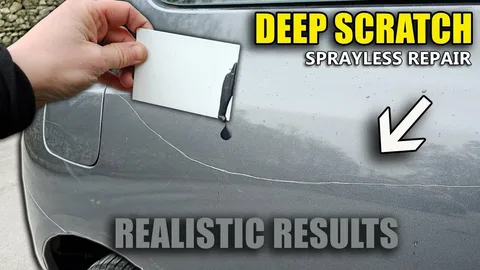
A scratch never shows up at a convenient time. Maybe it was a shopping cart in a Sharjah mall car park, a low branch on a Sheikh Zayed Road service lane, or someone’s key catching your door in a tight Ajman parking spot. Whatever the cause, the first question everyone asks is the same one you probably typed into Google: how to remove scratches from car paint. I’ve spent enough time around UAE garages and DIY forums to know the honest answer isn’t one-size-fits-all it depends entirely on how deep the damage actually goes. This guide walks through everything real car owners need to know about how to remove scratches from car paint, from quick at-home paint scratch removal to knowing exactly when a mark needs a professional’s hand instead of a bottle from the supermarket. Good paint scratch removal isn’t about the strongest product you can find — it’s about matching the method to the depth of the damage, and that’s true whether you’re doing a DIY car scratch repair yourself or booking a proper car scratch repair with a shop. Understanding Car Paint Scratches Before You Touch Anything Not every mark on your bumper is the same kind of problem, and figuring out how to remove scratches from car paint starts with figuring out which category you’re dealing with. Knowing which of these you have changes everything about how to remove scratches from car paint safely, and it’s the first thing any decent detailer checks before recommending a fix. Most guides skip straight to products, but understanding how to remove scratches from car paint really starts with this depth check, not the shopping list. DIY Ways to Remove Car Paint Scratches at Home For light and surface-level marks, there are genuine DIY car scratch repair options that work reasonably well if you’re patient and follow the steps properly. This is essentially how to fix scratches on a car without a booth or a spray gun, and it works for genuine surface scratches. If you’re wondering how to repair scratched car paint at home for anything deeper than that, the honest answer is that home products can only do so much — a scratch remover cannot rebuild color that has actually been removed. People often ask about the best way to remove car scratches without spending real money, and for shallow marks, a quality scratch remover paired with careful technique genuinely is the best way to remove car scratches most owners will ever need. It’s also worth knowing how to buff out scratches on car paint properly: light pressure, straight-line motions in one direction, and frequent checks so you don’t burn through the clear coat with a machine buffer. When You Can Remove Scratches from Car Paint Without Repainting A lot of people specifically search remove scratches from car paint without repainting, and for light-to-medium damage, that’s a completely realistic goal. Clear coat scratches and most light scratches fall into this category. A combination of a rubbing compound pass followed by a machine or hand polish can make a two-year-old scratch disappear without ever touching the base color. Deep scratches are a different story. If you can catch your nail in the groove, or if you see bare metal or primer, no scratch remover on the market will fully close that gap — that’s when car paint repair actually means new paint, applied properly with primer, base coat and clear coat in sequence. Touch-Up Paint: The Middle Ground Between a full car paint repair and doing nothing sits touch-up paint, and it’s genuinely useful for small chips and shallow scratches that have gone past the clear coat. If you’ve searched car touch up paint near me and found a dozen mismatched options online, that’s usually a sign to have the shade matched professionally rather than guessing from a code on a sticker under the hood. How to Fix Small Paint Chips on a Car Stone chips are their own category, separate from scratches but just as common on UAE highways. If you’re figuring out how to fix small paint chips on a car, the process is similar to scratch touch-up: clean the chip, remove any loose paint edges, apply primer if bare metal is showing, then build up thin layers of matching color before sealing with clear coat. Left untreated, a chip becomes a rust spot within a season in coastal humidity, so this isn’t a job worth delaying. Removing Non-Paint Damage: Concrete, Cement, Paint Overspray and Stains Not everything that ruins a finish is a scratch. Construction sites, new developments and roadworks across Ajman and Dubai mean plenty of cars pick up things that were never supposed to touch the paint. If you’re trying to figure out how to remove concrete from car paint, the safest approach is to soften the deposit first with warm water and a dedicated concrete/cement dissolver rather than scraping it off dry, which will scratch the clear coat further. The same logic applies if you need to know how to remove cement from car paint — patience with a soft-bristle brush beats force every time. For paint contamination from a nearby job site, how to remove spray paint from car surfaces safely usually means a clay bar treatment or a dedicated paint-safe solvent, followed immediately by polish to restore gloss. General questions about how to remove paint from car surfaces — whether it’s overspray, a bumper-to-bumper scrape from another vehicle, or a graffiti mark — follow the same rule: test any product on a hidden panel first, and never use anything abrasive enough to strip the clear coat along with the contaminant. Water spots, bird droppings and mineral deposits are usually behind questions about how to remove paint stains from car surfaces, and most respond to a simple clay bar and polish combination without needing any real chemical stripping at all. Even mild how to remove paint stains from car questions usually trace back to the same clay bar routine once the
Car Paint Shop Near Me: Why Marwat Garage Is the Trusted Name for Car Painting in the UAE
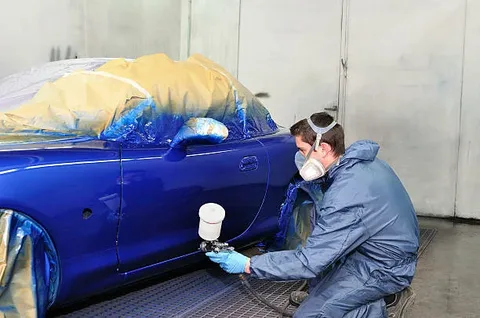
If you’ve typed car paint shop near me into Google after noticing a fresh scratch, a faded bumper, or a door that just doesn’t match the rest of your car’s color anymore, you already know how frustrating it is to find a shop you can actually trust. Anyone can spray a panel. Very few can match factory color, blend it invisibly, and hand your car back looking like nothing ever happened. That’s the gap Marwat Garage has spent years closing. Some customers type it as car paint near me, others search near me car paint shop, and some just want any solid paint car near me option — either way, the intent is the same: a shop that gets it right the first time. We’re not a walk-in spray booth that rushes jobs out the door. Marwat Garage is a full-service paint and bodywork facility built around one idea: your car should leave looking better than when the damage happened, not just “fixed.” Whether you’re searching for a car paint shop near me in Dubai, a car paint shop sharjah customers keep recommending, or a car paint shop abu dhabi drivers trust for premium finishes, we’ve built our reputation one panel at a time. We’re one of the few car paint shop operations that treats every job — big or small — with the same level of care. Who We Are and Why Drivers Trust Us Trust in this industry is earned through repetition — the same technicians, the same paint booth, the same quality control, job after job. Our painters have handled everything from daily-driver hatchbacks to high-end marques, including bentley car paint service work that demands zero margin for error. When a car worth that much rolls into your bay, you don’t get a second attempt at color matching. That discipline carries over into every single vehicle we paint, no matter the badge on the hood. We’ve also built relationships with reliable car paint suppliers near me, which means we’re not waiting days for pigment or clear coat to arrive from overseas. Faster sourcing means faster turnaround, and it means the paint code on your car is matched using proper, verified car paint suppliers stock — not guesswork. Where We Serve Search traffic tells us a lot about where our customers are driving in from, and it’s a wide net. We regularly work with clients searching car paint shop dubai, car paint shop sharjah, and car paint shop ajman — two of the busiest industrial and workshop hubs in the country. We also see steady demand from drivers looking for a car paint shop ajman they don’t have to cross the city for, plus daily calls from people simply comparing car paint shops near me before deciding where to book. If you’ve searched best car paint shop in sharjah, best car paint shop in dubai, best car paint shop in abu dhabi, or just best car paint shop near me in general, you’re not just looking for proximity — you’re looking for consistency. That’s exactly what we’ve built our name on across every emirate we serve. Even customers who live near a Lulu hypermarket and search something like lulu paint for car while looking for a nearby option usually end up finding us through the same search, since we’re centrally located and easy to reach from most major landmarks. Our Core Services (Highlighted) Every job we take on is quoted transparently, panel by panel, so you know exactly what you’re paying for. Our most requested services include: Whether you need a single panel touched up or a full body dent and paint overhaul after an accident, our process stays the same: assess, prep, match color digitally and by eye, spray in a controlled booth, and quality-check under multiple lighting conditions before your car ever leaves the bay. What Makes Us an Auto Car Paint Specialist, Not Just a Sprayer There’s a real difference between an auto car paint operator who sprays whatever color code is printed on the door jamb, and a shop that treats each vehicle as its own project. Professional car paint work means accounting for UV fading on the existing panels, blending new paint into old clear coat so there’s no visible edge, and using the right primer for the substrate — whether that’s steel, aluminum, or a plastic bumper cover. This is the standard every auto car paint and professional car paint job leaves our floor with, no exceptions. This is also why we get repeat business from people who originally searched terms like car body paint shop near me, car paint workshop near me, car paint workshop dubai, or simply car paint garage near me — once a customer sees a blended door panel next to an untouched one and can’t tell the difference, they stop shopping around. We’re proud to be counted among the more reliable car paint garage and car paint shops options in the city, and we work hard to keep it that way. Common Repairs We Handle Daily Not every job that comes through our doors is a full repaint. Most days, we’re handling: If you’ve been putting off a repair because you assumed a car paint repair shop near me would quote you an unreasonable price, it’s worth getting an actual assessment first. Small jobs are often far more affordable than people expect, especially when caught early before rust or further chipping sets in. Anyone searching car paint repair near me for a quick scratch fix or a deeper panel repair will get the same honest, itemized quote from us. Car Paint Offers and Deals We understand that cost is often the deciding factor, which is why we regularly run car paint offers and seasonal car paint deals for both single-panel work and full respray packages. If you’re comparing paint car shops near me on price alone, ask us for a like-for-like quote — we break down labor, materials, and booth time so there’s no confusion about
Car Paint in the Ajman: A Complete Guide to Colors, Protection and Professional Repair
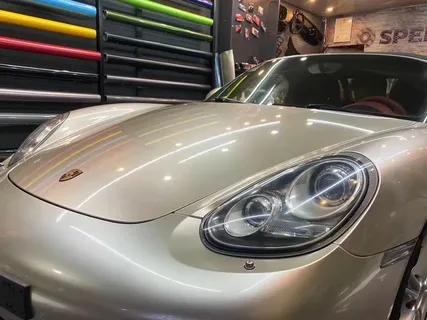
If you have ever pulled up next to a showroom-fresh car at a Sharjah traffic light and wondered why your own ride looks tired after just two summers, the answer usually comes down to one thing: car paint. Good car paint is not just about looks — it is the first line of defense against sun, sand, salt air and the daily grind of Gulf roads. After years of talking to car owners across Ajman, Dubai and Sharjah, I have noticed the same pattern again and again: people spend serious money on tyres and engine oil, then forget that the finish on their car is quietly fighting the harshest climate on earth every single day. This guide walks through everything you actually need to know about car paint in the UAE: which colors hold up best, how a proper job gets done from bare metal to final shine, and how to protect your investment for years instead of months. Why Car Paint Matters More in the UAE Than Almost Anywhere Else Dubai summers regularly cross 45°C, and dashboard temperatures inside a parked car can climb well past 70°C. That kind of heat, combined with dust storms and humidity near the coast, is brutal on vehicle paint. Ordinary factory finishes that might last a decade in a milder climate can start fading, cracking or peeling within two or three years here if they were not applied correctly in the first place. This is exactly why car paint dubai searches spike every summer, and why car paint sharjah garages stay busy year-round. Anyone searching car paint uae wide will notice the same complaints: dulling color, a flat-looking finish, or small stone chips turning into rust spots along the wheel arches. A little research before choosing an auto paint supplier, or asking a shop what auto paint brand they actually use, tells you more about the finish you’ll end up with than any glossy before-and-after photo. With the right products, the right prep work, and a shop that actually understands the local climate, your car’s finish can look factory-fresh for a very long time. From car paint dubai comparisons to car paint sharjah workshop reviews, the search patterns tell the same story: people want a finish that actually survives the climate, not just one that looks good on delivery day. Types of Paint and Popular Finishes Not every finish option is the same, and picking the right one matters as much as the application itself. When customers ask me what the best paint for car ownership in this region actually is, the honest answer is that it depends on how the vehicle is used. A daily commuter benefits from a tough, UV-resistant solid finish, while a weekend car can carry a flashier metallic or pearl option without the same wear concerns. Whatever anyone tells you is the single best paint for car use across the board is oversimplifying it — the right car paint always depends on climate, budget and how the car is actually driven day to day. If you want something that turns heads, paint for cars in bold custom shades has become far more common on UAE roads over the last few years. The Process: From Bare Metal to Showroom Shine Professional car painting is a multi-step job, and skipping steps is exactly why a cheap, rushed car paint spray falls apart within months. This sequence is the same whether a garage is handling a single panel touch-up or a complete car repaint, and rushing any single step is the biggest reason your car paint looks great for a month and disappointing after that. Good car paint, in other words, is really a process problem long before it’s a product problem. Protecting the Finish: Film, Coating and Regular Care Once the color is on, protecting it matters just as much as the paint itself. In UAE conditions, unprotected surfaces oxidize fast. If you’re comparing paint protection services, PPF gives the strongest physical shield, while a ceramic coating service gives the best shine-to-maintenance ratio. Many Ajman garages now bundle both into car paint restoration packages for owners who want long-term results, and a good rubbing compound pass beforehand always improves the outcome. Good car paint protection isn’t one product, it’s a system — a quality car paint coating paired with occasional upkeep keeps a car looking cared for, not just clean. Signs You Need Repair Work It’s easy to ignore small problems until they become expensive ones. Watch for: Affordable car paint repair doesn’t have to mean low quality. A good shop can match your exact car paint colors and blend a single door or quarter panel so well you can’t see where the old finish ends and the new one begins — and a targeted car scratch repair is often far cheaper than repainting a whole panel. In short, most car paint problems fall into a few buckets: dulled color needing a refresh, physical damage needing bodywork attention, and surface-level dullness that responds well to a car paint correction. A full car paint restoration brings back an older car’s shine, and it usually leaves the car paint finish looking better than a simple touch-up ever could. Whatever the issue, matching car paint colors precisely and using a specialist for car body paint work makes the difference between a repair you can spot and one you can’t. Genuine affordable car paint repair and a straightforward car scratch repair are usually all a car needs — full auto body paint repair is reserved for real accident damage. DIY Spray vs. Professional Painting Plenty of people ask if it’s possible to paint a car themselves, and technically, yes — rattle-can kits exist for a reason. But there’s a real gap between a driveway touch-up and a proper booth job. Search car paint uae forums and you’ll find the same debate everywhere. A pro setup controls dust, temperature and humidity, and applies every layer in a controlled sequence rather than relying on a single
Car Paint Repair & Touch-Up Services in Ajman
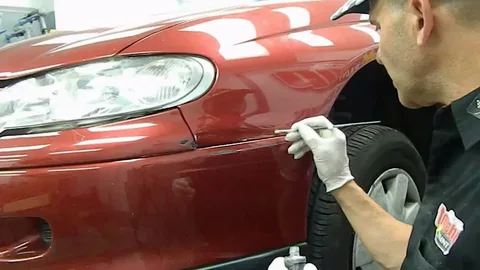
If you drive in Ajman, you already know what the sun and heat can do to a car’s finish. Long hours parked outdoors, blowing sand, and intense UV exposure all take a toll on paintwork faster than in cooler climates, leaving many vehicles with fading, chipped edges, or dull surfaces within just a few years. That is why car paint repair & touch-up services are one of the most searched-for solutions among car owners in the city, whether the damage is a small chip from a stone or a full section that needs a fresh respray. This guide breaks down everything you need to know about car paint repair and touch-up services in Ajman, from understanding what causes paint damage to choosing between a quick touch-up and a full respray. We will also cover pricing factors, protection options like PPF and ceramic coating, polishing and detailing, paint codes and custom finishes, DIY tools versus professional equipment, and how paint compares to vehicle wraps. Whether you are looking for the best local shop near you or simply want to understand your options before booking a service, this article will help you make an informed, reasonable decision. What Is Car Paint Repair & Touch-Up Service? Car paint repair & touch-up services cover a range of solutions designed to restore a vehicle’s exterior after it has suffered some form of exterior damage. On one end of the spectrum, a simple touch-up paint job can correct a small stone chip or a light scratch that has not gone past the clear coat. On the other end, a full repaint may be necessary when a large area of the bodywork has faded, peeled, or been affected by rust, requiring the entire panel or vehicle to be resprayed rather than patched. The right choice depends largely on how deep and widespread the paintwork repair needs to be. A scratch that only affects the top clear coat layer can usually be buffed out or touched up in under an hour, while damage that has reached the primer or bare metal will need proper sanding, priming, and repainting to prevent further deterioration. Choosing the correct level of service matters not just for appearance, but for protecting your vehicle’s resale value over the long term. Car owners in Ajman often underestimate how quickly minor exterior damage can spread if left untreated, especially given the local climate. A tiny chip exposed to constant heat and UV rays can crack further and allow moisture in, eventually leading to rust underneath the paint. Addressing car paint repair and touch-up needs early, rather than waiting for damage to become severe, is almost always the more cost-effective route. Car Paint Services in Ajman: A Quick Overview Beyond basic touch-ups and repaints, the term car paint services covers a wider menu of solutions that many garages in Ajman now offer under one roof. This typically includes full car respray work, paint protection film (PPF) installation, ceramic coating and other protection treatments, professional polishing and detailing, and consultation on paint colors, codes, and custom finishes for owners who want something beyond the factory look. Understanding this bigger picture helps you plan ahead rather than booking a one-off fix. For example, a car that has just gone through a full respray is an ideal candidate for a protective coating or PPF application immediately afterward, since the fresh paint benefits most from added protection before it is exposed to sun and sand again. Similarly, if you are already booking a repair, it often makes sense to add a polishing and detailing session to bring uniformity to the rest of the vehicle’s finish. Most reputable garages in Ajman structure their service menu around this natural progression: diagnose the damage, decide between touch-up and full repainting, apply the appropriate paint or coating, and finish with detailing to blend the repaired area seamlessly with the rest of the car. Knowing this flow in advance makes it easier to ask the right questions when getting quotes. How to Find Local Car Paint Shops & Services Near You When searching for a car paint shop near you in Ajman, a few factors separate a reliable service provider from one that may cut corners. Start by checking whether the shop uses computerized paint-matching technology rather than relying purely on visual estimation, since accurate color matching is one of the most technical parts of any car paint repair and touch-up job. Experience and specialization also matter. Skilled repair technicians who work daily with color blending, texture matching, and finish matching will generally produce a more seamless result than a general workshop that only occasionally handles paintwork. Ask to see before-and-after examples of previous repairs, particularly on vehicles similar in color or finish to your own. It also helps to compare a few local options rather than settling for the first quote. A reasonable price should reflect the complexity of the job, the quality of paint materials used, and whether a warranty is included on the workmanship. In Ajman’s competitive garage market, the best shops are usually the ones transparent about their process, timeline, and pricing from the very first conversation. Full Car Respray & Pricing in Ajman A full car respray becomes necessary when damage is too extensive for a simple touch-up, such as widespread sun fading, deep scratches across multiple panels, or repeated rust spots that have compromised large sections of the bodywork. Unlike a localized panel repair, a full respray strips and repaints the entire vehicle, giving it a consistent, uniform finish from every angle. Pricing for a full respray in Ajman depends on several factors: the size and type of the vehicle, the paint finish selected, and the amount of prep work required before painting can begin. Standard single-stage colors tend to sit at the more affordable end, while metallic, pearlescent, or matte finishes generally cost more due to the additional layers and specialized materials involved. Heavily damaged vehicles requiring extensive sanding and treating rust before repainting will also push costs