Wheel Cylinder Replacement
Wheel Cylinder Replacement in Ajman: When Your Brakes Start Letting You Down
You press the brake pedal and something feels off. Maybe the car does not slow the way it used to. Maybe there is a soft, spongy feeling underfoot. Or you have noticed a wet patch near the rear wheel and a faint smell of brake fluid.
These are not minor inconveniences. They are warning signals from one of the most critical components in your rear braking system — the wheel cylinder.
At Marwat Garage Ajman, we carry out wheel cylinder inspection and replacement for all vehicle types, restoring full braking confidence quickly and correctly.
What Is a Wheel Cylinder?
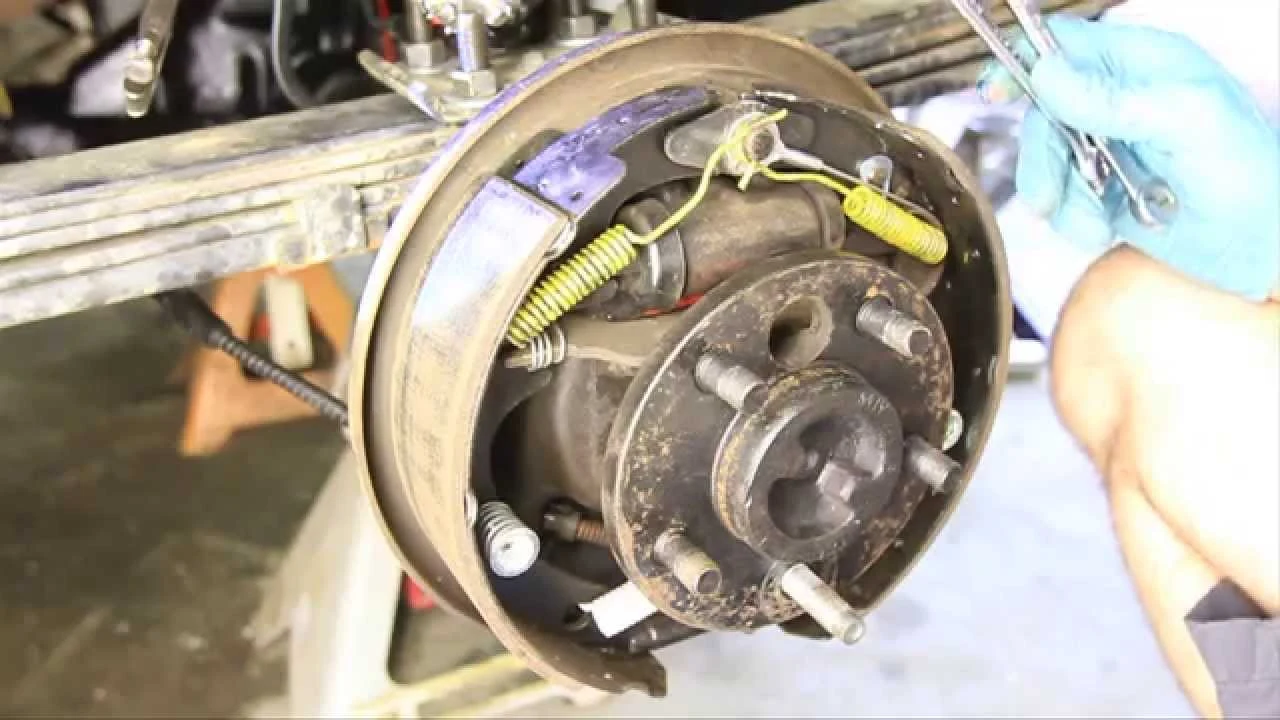
The wheel cylinder is a small hydraulic component found in drum brake systems — typically on the rear wheels of passenger cars, SUVs, and commercial vehicles.
When you press the brake pedal, hydraulic pressure travels through the brake lines and reaches the wheel cylinder. Inside, two pistons push outward in opposite directions, pressing the brake shoes against the inside of the drum. This friction slows the wheel down.
It is a simple mechanism — but it carries enormous responsibility. Without a functioning wheel cylinder, the rear brakes cannot engage properly
Why Wheel Cylinders Fail
Wheel cylinders are built to last — but they are not indestructible. In Ajman’s conditions, several factors accelerate their deterioration.
- Seal degradation from heat The internal rubber seals that keep hydraulic pressure contained are vulnerable to heat. In the UAE’s summer, under-wheel temperatures during heavy braking can exceed levels the seals were not designed to sustain repeatedly. Over time, the seals harden, crack, and begin to leak.
- Moisture in the brake fluid Brake fluid is hygroscopic — it absorbs moisture from the atmosphere over time. Moisture-contaminated fluid corrodes the inside of the wheel cylinder bore, causing pitting that damages the seals and allows fluid to seep past.
- Age and mileage Like any rubber-sealed component, wheel cylinders have a finite lifespan. Vehicles that have covered high mileage in Ajman’s demanding stop-and-go traffic conditions reach this limit faster than the manufacturer’s standard estimates.
- Infrequent brake fluid changes Skipping brake fluid replacements is one of the most common causes of premature wheel cylinder failure. Old, moisture-laden fluid is corrosive — it attacks the cylinder bore from the inside.
Warning Signs You Should Never Ignore
Wheel cylinder problems rarely appear without warning. Here is what to look and feel for:
Spongy or soft brake pedal:
If the pedal feels soft or sinks further than usual before the brakes engage, air or fluid loss in the hydraulic system is the likely cause. A leaking wheel cylinder introduces fluid loss that directly affects pedal feel.
Poor braking performance:
The rear brakes contribute to overall stopping power. A failing wheel cylinder means one or both rear brake shoes are not receiving enough hydraulic pressure to engage fully — increasing stopping distance.
Brake fluid leakage near the rear wheel:
A visible wet patch or fluid residue around the rear brake drum area is a clear sign of a leaking wheel cylinder. Brake fluid has a slightly oily feel and a faint chemical smell.
Brake warning light:
On vehicles with electronic brake monitoring, a low fluid level caused by a leaking wheel cylinder can trigger the brake warning light on the dashboard.
Vehicle pulling during braking:
If only one wheel cylinder is leaking, the braking force between the two rear wheels becomes unequal. This causes the vehicle to pull to one side when slowing down — reducing control and increasing accident risk.
Contaminated brake shoes:
Brake fluid leaking from the cylinder coats the brake shoes. Oil-contaminated shoes lose their friction properties entirely and must be replaced alongside the cylinder.
Why This Is Not a Repair to Delay
Some car problems can wait a week. A failing wheel cylinder is not one of them.
Brake fluid leakage is progressive — a slow seep becomes a steady drip. As fluid level drops, braking performance deteriorates. In a worst-case scenario, a completely failed wheel cylinder can cause brake system pressure loss severe enough to result in brake failure.
In Ajman’s traffic — where sudden stops are common and highway speeds are high — brake failure is not a recoverable situation.
If you suspect a wheel cylinder problem, bring the vehicle to Marwat Garage immediately. This is not a repair to schedule for next week
What Wheel Cylinder Replacement Involves
Here is what our technicians do during a wheel cylinder replacement service:
- Full brake system inspection We begin by inspecting the entire rear braking system — checking fluid level, brake line condition, drum condition, and shoe wear before touching the cylinder.
- Cylinder removal The wheel, drum, and brake shoes are removed to access the wheel cylinder. We inspect the cylinder bore for corrosion or scoring that confirms the need for replacement.
- Brake line disconnection The brake line feeding the cylinder is carefully disconnected and protected to prevent contamination.
- New cylinder fitting A new wheel cylinder — matched to your vehicle’s make, model, and specification — is fitted and torqued correctly. We never use undersized or non-compatible parts.
- Brake shoe assessment If the leaking cylinder has contaminated the brake shoes with fluid, the shoes must be replaced. Contaminated shoes cannot be cleaned — brake fluid ruins the friction material permanently.
- Brake line reconnection and bleeding The brake line is reconnected and the entire system is bled to remove any air introduced during the repair. This step is critical — any air in the brake lines causes a spongy pedal and reduced braking force.
- Fluid top-up and system test Brake fluid is topped up to the correct level, and the complete system is pressure-tested before a road test confirms full, even braking performance.
The full service takes approximately 6 hours and comes with a warranty to give you complete peace of mind.
Replacing One or Both Wheel Cylinders?
If one wheel cylinder has failed, the other is often at a similar stage of wear — especially on vehicles where both were fitted at the same time.
We recommend replacing wheel cylinders in pairs. This ensures equal hydraulic pressure on both rear wheels, balanced braking force, and eliminates the likelihood of the second cylinder failing shortly after the first.
It also saves labour cost — doing both at the same visit is significantly more efficient than two separate appointments.
Preventing Wheel Cylinder Problems
Prevention is always cheaper than replacement. Here is how to protect your wheel cylinders:
- Change brake fluid on schedule. Fresh brake fluid is less corrosive and maintains its hydraulic properties. We recommend a brake fluid change every 2 years or as part of your 30,000 km service — whichever comes first.
- Get the rear brakes inspected regularly. A visual check of the drum area for fluid traces takes minutes but can catch a developing leak before it becomes a dangerous one.
- Do not ignore a spongy pedal. A soft brake pedal is never normal. If the pedal feel changes, have the system checked immediately — do not wait for it to get worse.
Marwat Garage: Trusted Brake Repairs in Ajman
We understand that brakes carry your safety — and the safety of everyone around you on Ajman’s roads. At Marwat Garage, we inspect thoroughly, explain clearly, and replace only what genuinely needs replacing. We use correct specification parts for your specific vehicle. We bleed the system properly after every repair. And we road-test before handing the keys back.
Our team is experienced with all vehicle brands — Japanese, Korean, European, and American. Passenger cars, SUVs, pickups, and light commercial vehicles — we handle them all. Do not drive on brakes you are not sure about. Come in, let us check — and leave confident.
Frequently Asked Questions
We now have an FAQ list that we hope will help you answer
some of the more common ones.
The cost varies depending on your car’s make, model, and the type of key system it uses. Basic remote key fob programming is affordable, while smart key and proximity key programming for newer vehicles may cost more due to the advanced software required. Call us on +971-564761112 for a specific quote for your car.
In most cases, yes — but it depends on the make and model. Some vehicles require at least one working key to programme a new remote, while others allow a complete key replacement via OBD2 access. Our technicians will advise you after a quick diagnostic check.
If a fresh battery has not solved the problem, your key fob may have lost its synchronisation with the car’s ECU — this is a common issue after a battery change or flat car battery. The fix is a simple reprogramming, which we can do while you wait at our garage in Ajman.
Most key fob programming jobs take between 30 minutes and one hour. Smart key programming for newer models may take slightly longer if it requires extended ECU communication. We will give you an accurate time estimate when you bring in your vehicle.
We can source compatible replacement key fob shells and remotes for most popular vehicle makers sold in the UAE. If you already have a new fob, we can programme it for you. Call ahead to confirm availability for your specific model.
Got a questions?
Pulvinar neque laoreet suspendisse interdum consectetur libero id faucibus nisl. Lectus urna duis convallis convallis tellus.
Schedule Your Appointment Today
Your Automotive Repair & Maintenance Service Specialist