
Front Brake Pads
Front Brake Pads: The Complete Guide for UAE Drivers — Marwat Garage Ajman
If your car has started making a squealing or grinding noise every time you brake, there’s a good chance your front brake pads need attention. Front brake pads are one of the most important safety components in any vehicle, and knowing when and how to replace them can save you from costly repairs — or worse, a road accident. This guide covers everything car owners in Ajman and Sharjah need to know about front brake pads, from spotting the warning signs to understanding brake pads price in the UAE
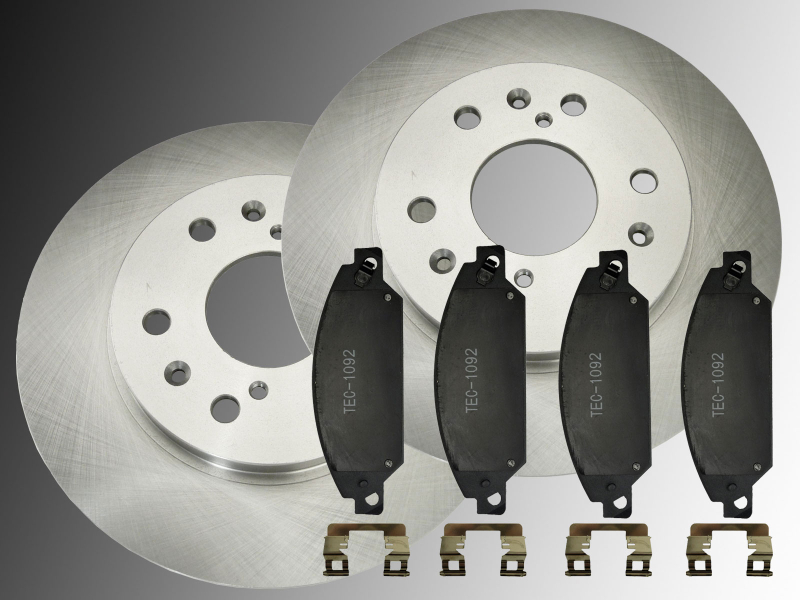
Why Front Brake Pads Matter
Front brake pads carry the majority of your car’s stopping power. Every time you press the brake pedal, the front brake pads clamp down on the rotors to slow the vehicle down. Because the front wheels handle around 60-70% of braking force during a stop, front brake pads wear out faster than the rear ones. This is why most car brake pads issues are noticed on the front axle first, especially in stop-and-go city traffic across Ajman and Sharjah.
How to Check Brake Pads Yourself
You don’t need to be a mechanic to get a basic idea of your brake pads’ condition. Here’s how to check brake pads at home:
- Look through the wheel spokes. Most brake pads sit against a metal rotor and are visible from the outside. If the pad material looks thinner than 3-4mm, it’s time for a change.
- Listen for noise. A high-pitched squeal usually means the wear indicator is touching the rotor — a built-in warning that brake pads change is due soon.
- Feel for vibration. Pulsing through the brake pedal or steering wheel can point to uneven wear.
- Check your dashboard. Many modern cars have a brake pad sensor light that turns on automatically.
If you’re not confident inspecting it yourself, any trusted garage in Ajman or Sharjah can do a quick visual check in a few minutes, often for free.
When to Change Brake Pads
Knowing when to change brake pads depends on your driving habits, road conditions, and the quality of the pads fitted. As a general rule:
- City driving with frequent braking (common in Ajman and Sharjah traffic) wears pads faster, often within 25,000-35,000 km.
- Highway driving, with less frequent hard braking, can stretch brake pads life to 50,000-60,000 km.
- UAE’s hot climate also plays a role — high temperatures can accelerate wear on lower-quality pads.
A good habit is to have your front brake pads inspected every time you get an oil change, so you never miss the early signs.
Signs You Need Brake Pads Replacement
Delaying brake pads replacement doesn’t just wear down your pads — it can damage your rotors too, turning a simple job into a more expensive one. Watch out for:
- Squeaking or grinding sounds while braking
- A soft or spongy brake pedal
- Longer stopping distances than usual
- Visible thinning of the brake pad material
- The car pulling to one side when braking
If you notice two or more of these, it’s best to book a brake pads replacement inspection right away.
Brake Pads Price in Dubai and Across the UAE
One of the most common questions we get is about brake pads price in Dubai and the wider UAE. Pricing depends on the brand, vehicle type, and whether you need pads only or a full pad-and-rotor service. As a rough guide:
- Economy and mid-range sedans: parts + labor typically fall in a moderate AED range for a front brake pads replacement
- SUVs and larger vehicles: slightly higher due to bigger pad sizes and more labor time
- Premium or European brands: pricier OEM parts push the brake pads price uae up further
Getting a quote over the phone is common, but it’s always worth confirming with an in-person inspection, since exact brake pads price uae figures vary by make, model, and pad brand chosen.
Our Front Brake Pads Replacement Process
When you bring your vehicle in for brake pads replacement, our technicians follow a straightforward process:
- Inspection — checking pad thickness, rotor condition, and caliper function
- Recommendation — suggesting the right brake pads change based on your driving pattern and budget
- Replacement — removing worn pads, cleaning the caliper assembly, and fitting new front brake pads
- Test drive — confirming smooth, quiet braking before handover
Most front brake pads replacement jobs are completed within an hour, so you’re not without your car for long.
Brake Pads Replacement Near Me: Why Choose a Local Garage
Searching “brake pads replacement near me” or “change brake pads near me” usually means you want quick, reliable service without driving across the city. Choosing a local garage in Ajman or Sharjah for your car brake pads work means:
- Faster turnaround, since parts are stocked locally
- Technicians familiar with UAE driving conditions and common wear patterns
- Easier follow-up visits if you have any questions after the service
Whether you’re based in Ajman, Sharjah, or nearby areas, having a garage you can find by simply searching “change brake pads near me” makes routine brake pads change far more convenient.
Frequently Asked Questions
How often should front brake pads be replaced? Most front brake pads last between 25,000 and 60,000 km depending on driving style and traffic conditions. Regular inspection is the best way to know your exact timeline.
What is the average brake pads price in the UAE? It varies by vehicle and brand, ranging from budget-friendly options to premium OEM parts. A quick inspection gives you an accurate quote for your specific car.
Are Asimco brake pads a good choice? Yes, Asimco brake pads offer reliable braking performance at a mid-range price, making them a solid choice for daily city driving.
Can I drive with worn brake pads? It’s not recommended. Worn brake pads increase stopping distance and can damage your rotors, leading to a more expensive repair later.
Do front or rear brake pads wear out faster? Front brake pads typically wear faster since they handle most of the braking force during normal driving.
Frequently Asked Questions
We now have an FAQ list that we hope will help you answer
some of the more common ones.
The cost varies depending on your car’s make, model, and the type of key system it uses. Basic remote key fob programming is affordable, while smart key and proximity key programming for newer vehicles may cost more due to the advanced software required. Call us on +971-564761112 for a specific quote for your car.
In most cases, yes — but it depends on the make and model. Some vehicles require at least one working key to programme a new remote, while others allow a complete key replacement via OBD2 access. Our technicians will advise you after a quick diagnostic check.
If a fresh battery has not solved the problem, your key fob may have lost its synchronisation with the car’s ECU — this is a common issue after a battery change or flat car battery. The fix is a simple reprogramming, which we can do while you wait at our garage in Ajman.
Most key fob programming jobs take between 30 minutes and one hour. Smart key programming for newer models may take slightly longer if it requires extended ECU communication. We will give you an accurate time estimate when you bring in your vehicle.
We can source compatible replacement key fob shells and remotes for most popular vehicle makers sold in the UAE. If you already have a new fob, we can programme it for you. Call ahead to confirm availability for your specific model.
Got a questions?
Pulvinar neque laoreet suspendisse interdum consectetur libero id faucibus nisl. Lectus urna duis convallis convallis tellus.
Schedule Your Appointment Today
Your Automotive Repair & Maintenance Service Specialist