
Compressor Replacement
AC Compressor Replacement in Ajman: When the Heart of Your AC System Stops Working
No other component in your car’s air conditioning system does more work than the compressor.
It runs every time you switch on the AC. It pressurises the refrigerant and drives the entire cooling cycle. It operates against Ajman’s extreme under-bonnet heat, through year-round continuous use, and under the constant load of keeping a vehicle cabin cool when the outside temperature exceeds 45°C.
When the compressor fails, the AC stops. Not gradually — it stops. No cold air. No cooling. In Ajman’s summer, that is not just uncomfortable. For anyone with children, elderly passengers, or a long commute, it is a serious problem.
At Marwat Garage Ajman, we carry out professional AC compressor replacement for all vehicle makes and models — diagnosing the failure correctly and fitting the right replacement to restore full cooling performance.
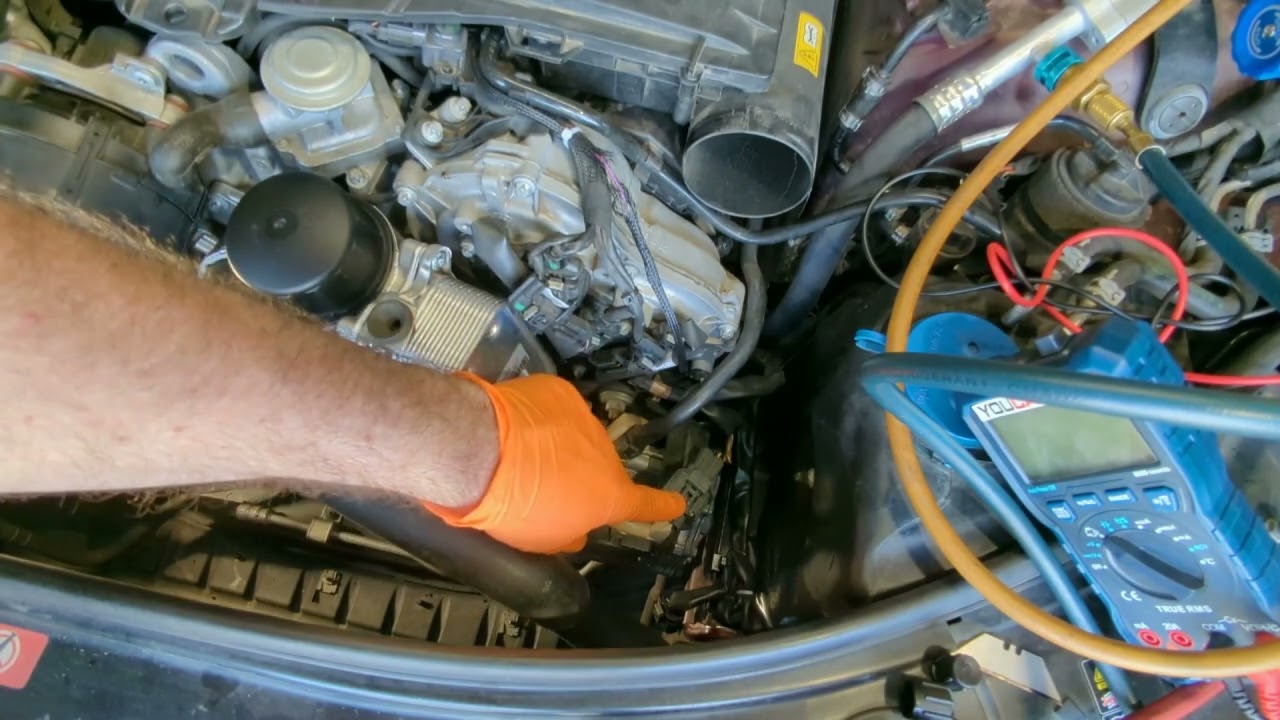
What Does the AC Compressor Do?
The compressor is the pump that drives the entire refrigerant cycle.
It takes low-pressure refrigerant gas from the evaporator and compresses it into high-pressure gas. This pressurisation raises the refrigerant’s temperature, allowing it to release heat through the condenser outside the vehicle. Without this compression cycle, no heat exchange can happen — and no cooling can occur.
The compressor is powered by a belt driven from the engine. Every time the AC is engaged, the compressor clutch activates and the compressor begins its compression cycle. In Ajman, this happens every time the ignition is turned on — and stays on for most of each journey.
That constant engagement, under sustained heat and load, means the compressor carries the heaviest wear burden of any component in the AC system.
Why Compressors Fail — Especially in Ajman
- Continuous Year-Round Operation In most countries, the AC compressor gets months of rest during cooler seasons. In Ajman, it runs almost every day of the year. This continuous operation means the compressor accumulates wear at a rate that far exceeds the manufacturer’s assumptions for average use.
- Low Refrigerant Operation When the AC system operates with insufficient refrigerant — because of a slow leak that was not caught early — the compressor runs without adequate oil lubrication. AC compressors are lubricated by oil carried in the refrigerant. Insufficient refrigerant means insufficient oil circulation. Running a compressor in this condition accelerates internal wear dramatically and can lead to seizure.
- This is one of the most important reasons to stick to the regular AC service schedule — catching refrigerant loss early protects the compressor from the damage caused by oil-starved operation.
- Extreme Under-Bonnet Heat Ajman’s summer temperatures push under-bonnet temperatures well above 100°C during operation. The compressor’s internal seals and lubricating oil are subject to this heat continuously. Seals harden and crack. Oil degrades and loses its lubricating properties. Over time, both lead to compressor failure.
- Clutch Wear and Failure The compressor clutch — which engages and disengages the compressor from the drive belt — cycles on and off with AC use. In Ajman’s traffic, with frequent starts and stops, this cycling happens many more times per day than in steady highway driving. Clutch wear eventually leads to slip, grinding, or failure to engage.
- Contamination from Failed System Components When other AC components fail — particularly the cooling coil or condenser — debris and moisture can enter the refrigerant circuit and reach the compressor. Metal particles from a failing compressor itself can also circulate through the system and cause damage to other components. This is why, when a compressor has failed internally, the entire system must be flushed before a new compressor is fitted.
Other Car Repair Services
- Regular AC Service
- High Performance AC Service
- Cooling Coil Replacement
- Condenser Replacement
- Compressor Replacement
- Heating Coil Replacement
- V-Belt Replacement
- AC Blower Motor Replacement
- Radiator Replacement
- Radiator Fan Motor Replacement
- Radiator Flush & Clean
- AC Inspection
- AC Condenser Cleaning
- Drive Belt Lubrication
Signs Your AC Compressor Is Failing
- AC blowing completely warm air A failed compressor produces no refrigerant compression — and therefore no cooling. If the AC system is fully charged but producing no cold air, compressor failure is the most likely cause.
- Loud noise when AC is switched on A grinding, rattling, or squealing noise that begins the moment the AC is engaged — and stops when it is turned off — points directly to the compressor. Grinding indicates internal bearing failure. Rattling can indicate clutch problems or internal debris. Squealing often means the clutch is slipping.
- AC clutch not engaging Some vehicles allow you to observe the compressor clutch directly. If the centre clutch disc does not spin when the AC is on — while the outer pulley is spinning — the clutch has failed.
- Refrigerant leaking from the compressor shaft seal An oil stain or refrigerant staining around the compressor body or shaft is a sign of a seal leak. The shaft seal is one of the most common compressor leak points.
- Compressor seizure A seized compressor locks the drive belt. This can cause the belt to squeal, slip, or snap — which then disables the alternator, power steering, and water pump simultaneously. A seized compressor is a situation that demands immediate attention.
How We Diagnose a Compressor Problem
At Marwat Garage Ajman, we do not recommend compressor replacement on the basis of symptoms alone. We test before we recommend.
- System Pressure Test A properly functioning compressor produces a specific pressure differential between the high and low sides. A compressor that is not producing adequate high-side pressure — despite a correctly charged system — is confirmed as faulty through pressure testing.
- Clutch Electrical Check We test the clutch engagement circuit — the clutch coil, fuses, relay, and pressure switches — to confirm that the clutch failure is mechanical rather than electrical. An electrical fault that prevents the clutch from engaging is a far simpler repair than compressor replacement.
- Compressor Body and Shaft Inspection We inspect the compressor body for refrigerant oil staining, physical damage, and shaft seal condition.
- System Contamination Check If the compressor has failed internally and metal particles may have circulated through the system, we assess the extent of contamination to determine whether a full system flush is needed before the new compressor is installed.
The Compressor Replacement Process
- Refrigerant Recovery All remaining refrigerant is recovered from the system before it is opened.
- System Flush If the failed compressor has shed internal debris — as internally failed compressors often do — the refrigerant circuit must be flushed to remove metal particles before a new compressor is installed. Skipping this step sends debris from the old compressor directly into the new one, causing premature failure.
- Receiver/Drier Replacement The receiver/drier is replaced alongside the compressor. Opening the system introduces moisture, and the fresh drier absorbs this before the circuit is sealed and recharged.
- New Compressor Installation A new compressor — matched to the vehicle’s make, model, and AC system specification — is installed with new O-rings at all connection points. The correct compressor oil charge for the vehicle type is verified before installation.
- System Vacuum and Recharge The system is placed under deep vacuum to evacuate all air and moisture, then recharged with the precise refrigerant quantity to the manufacturer’s specification.
- Performance Verification The system is run and vent temperatures are measured to confirm full cooling performance has been restored.
The full service takes approximately 8 hours and is backed by a 3-month warranty. The replacement restores full AC pressure and performance — returning the entire system to its designed operating parameters.
Protecting the New Compressor After Replacement
A compressor replacement is a significant repair. Protecting the new component is worth taking seriously.
- Book regular AC services on schedule. The most common cause of compressor damage — running with insufficient refrigerant — is caught and prevented by the regular AC service. Sticking to the 5,000 km or 3-month interval is the most effective way to protect the new compressor.
- Do not ignore reduced cooling. Any gradual loss of AC performance after replacement should be assessed promptly — not adapted to. Early investigation prevents the compressor from running in an oil-starved condition.
- Annual high performance service. The full refrigerant flush and system inspection included in the annual high performance service keeps the circuit clean and the compressor properly lubricated.
Why Marwat Garage Ajman for AC Compressor Replacement
A compressor replacement is the most consequential AC repair your vehicle will likely need. Getting it right — correct diagnosis, system flush where needed, correct compressor specification, proper vacuum and recharge — determines whether the new compressor lasts for years or fails within months.
At Marwat Garage, we carry out every step of the compressor replacement process correctly. We do not skip the system flush because it adds time. We do not skip the receiver/drier replacement because it adds cost. We use correctly specified compressors for each vehicle and verify performance after every installation.
Our technicians are experienced with compressor replacement across all major vehicle brands and all AC system configurations.
Frequently Asked Questions
We now have an FAQ list that we hope will help you answer
some of the more common ones.
The cost varies depending on your car’s make, model, and the type of key system it uses. Basic remote key fob programming is affordable, while smart key and proximity key programming for newer vehicles may cost more due to the advanced software required. Call us on +971-564761112 for a specific quote for your car.
In most cases, yes — but it depends on the make and model. Some vehicles require at least one working key to programme a new remote, while others allow a complete key replacement via OBD2 access. Our technicians will advise you after a quick diagnostic check.
If a fresh battery has not solved the problem, your key fob may have lost its synchronisation with the car’s ECU — this is a common issue after a battery change or flat car battery. The fix is a simple reprogramming, which we can do while you wait at our garage in Ajman.
Most key fob programming jobs take between 30 minutes and one hour. Smart key programming for newer models may take slightly longer if it requires extended ECU communication. We will give you an accurate time estimate when you bring in your vehicle.
We can source compatible replacement key fob shells and remotes for most popular vehicle makers sold in the UAE. If you already have a new fob, we can programme it for you. Call ahead to confirm availability for your specific model.
Got a questions?
Pulvinar neque laoreet suspendisse interdum consectetur libero id faucibus nisl. Lectus urna duis convallis convallis tellus.
Schedule Your Appointment Today
Your Automotive Repair & Maintenance Service Specialist