Belts & Hoses
Belts & Hoses Service in Ajman: Why These Small Parts Keep Your Car Running
Most car owners in Ajman pay close attention to their engine oil, tyres, and brakes. But two of the most important components under the bonnet — the belts and hoses — often get overlooked until something goes seriously wrong.
The truth is, a snapped serpentine belt or a burst radiator hose can leave you stranded on the side of the road in Ajman’s summer heat. And unlike other car problems that give you plenty of warning, belt and hose failures can happen suddenly and without much notice.
At Marwat Garage Ajman, our experienced technicians inspect, replace, and service all types of engine belts and hoses — helping you avoid breakdowns before they happen.
What Are Belts and Hoses in Your Car?
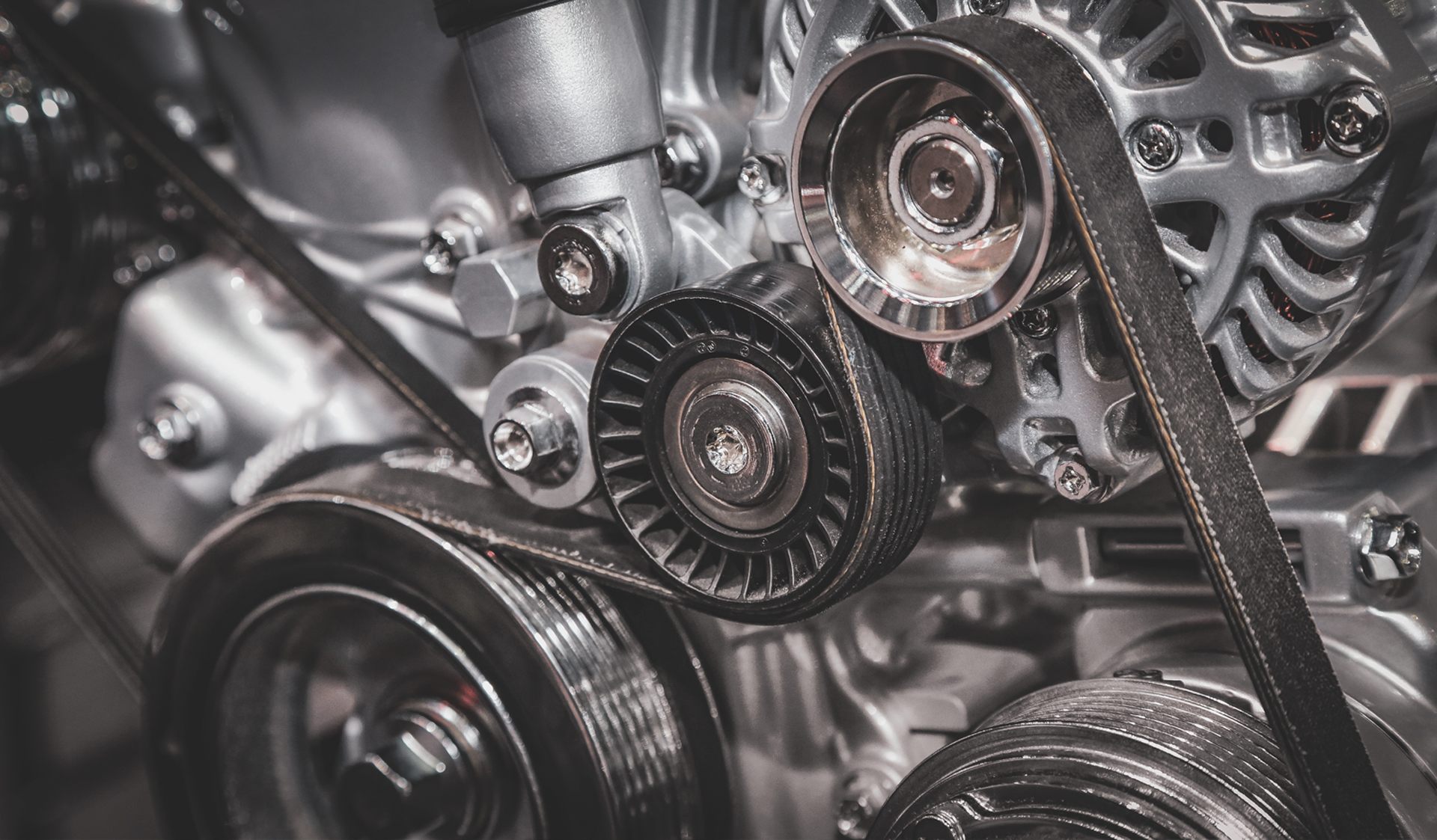
Belts and hoses are critical parts of your vehicle’s mechanical and cooling systems. They work silently in the background, keeping your engine running smoothly, your cooling system functioning properly, and your power steering responsive.
Here’s a quick breakdown of the main types:
Engine Belts
- Serpentine Belt (Drive Belt) This is the long, winding belt that powers multiple engine accessories at once — including the alternator, power steering pump, air conditioning compressor, and water pump. If this belt breaks, several systems fail immediately.
- Timing Belt The timing belt synchronises the rotation of the crankshaft and camshaft, ensuring the engine’s valves open and close at the right time. A broken timing belt can cause severe internal engine damage in a fraction of a second.
- V-Belt Older vehicles use V-belts to drive individual accessories. Many modern cars have replaced multiple V-belts with a single serpentine belt, but V-belts are still common in commercial vehicles and older models on Ajman’s roads.
Engine Hoses
- Radiator Hoses (Upper and Lower) These carry coolant between the engine and the radiator. They play a direct role in preventing your engine from overheating — something critically important in the UAE.
- Heater Hoses These smaller hoses carry hot coolant to the heater core, which also helps regulate engine temperature.
- Power Steering Hoses These carry hydraulic fluid to and from the power steering pump, giving you smooth and responsive steering control.
- Fuel Hoses Fuel hoses carry petrol from the fuel tank to the engine. Damage here is not just a mechanical problem — it is a serious safety risk.
- Vacuum Hoses Small but important, vacuum hoses control several systems including braking assistance, emissions, and idle control.
.
Other Car Repair Services
- Minor 5000 Km Service
- Routine 7000 KM Service
- Windshield Wipers
- CV (Constant Velocity) Maintenance
- Major 10,000 KM Service
- Belts & Hoses
- Vehicle Value & Car Pricing Service
- Headlight Aiming
- Battery Change-Over & Charging
- 7,500, 15k, 30k, & 60k Km Maintenance
- Transmission Fluid Service
- Lighting (Bulb Replacement)
- Cooling System Flush & Exchange
Why Belts and Hoses Wear Out Faster in Ajman
Ajman’s climate creates conditions that accelerate belt and hose deterioration far more quickly than in cooler countries. This is not a scare tactic — it’s a mechanical reality.
Here’s what Ajman’s environment does to these components:
- Extreme Heat Rubber — the primary material in both belts and hoses — breaks down much faster under sustained high temperatures. Ajman’s summer heat regularly exceeds 45°C, and under-bonnet temperatures can reach well above 100°C during operation. This causes rubber to harden, crack, and eventually fail.
- UV Exposure Even when parked, cars in Ajman sit under intense sunlight for hours. UV radiation speeds up the degradation of rubber components on the surface and outer layers of belts and hoses.
- Constant Air Conditioning Use In the UAE, the AC runs almost year-round. The serpentine belt works harder in Ajman than in almost any other country because it is constantly driving the AC compressor. This increases wear rate significantly.
- Dusty Conditions Fine desert dust and sand can penetrate micro-cracks in belts and hoses, accelerating internal deterioration and causing abrasion on belt surfaces.
This is why at Marwat Garage, we always recommend that Ajman drivers check their belts and hoses more frequently than the standard manufacturer intervals suggest
Warning Signs That Your Belts or Hoses Need Attention
Your car will usually give you signs before a belt or hose fails completely. Here’s what to watch and listen for:
Signs Your Belt Needs Inspection
- Squealing or screeching noise from under the bonnet, especially when starting the car or turning the steering wheel — this is often a worn or loose serpentine belt
- Check engine or battery warning light — the alternator belt may be slipping, reducing charging output
- AC not cooling properly — the belt driving the AC compressor may be loose or worn
- Power steering feeling stiff — a worn power steering belt can cause this
- Visible cracks, fraying, or glazing on the belt surface
Signs Your Hoses Need Inspection
- Coolant puddles under the car — a leaking radiator hose is the likely cause
- Engine overheating — a compromised coolant hose can restrict coolant flow
- Soft, spongy, or swollen hoses — these are signs of internal deterioration
- Burning smell — coolant leaking onto a hot engine surface produces a distinctive sweet burning odour
- Low coolant warning light
- Power steering fluid puddles — a leaking power steering hose causes this and makes steering feel heavy
Never ignore these signs. What starts as a minor belt squeal or a small hose weep can escalate into a blown engine or a complete roadside breakdown — both far more expensive than a timely replacement.
What Does a Belts and Hoses Service Include?
When you bring your car to Marwat Garage Ajman for a belts and hoses inspection, here’s what our technicians carry out:
- Visual Inspection We start by visually examining all accessible belts and hoses for cracks, fraying, bulging, hardness, glazing, and signs of leaks or damage.
- Tension and Alignment Check Belt tension matters as much as belt condition. A belt that is too loose slips and wears out prematurely. A belt that is too tight puts excess strain on bearings and pulleys. We check tension and alignment across all drive belts.
- Squeeze Test on Hoses Our technicians physically squeeze radiator and coolant hoses to feel for soft spots, internal collapse, or brittleness — all of which indicate a hose that is close to failing.
- Pressure Testing We pressure-test the cooling system to detect slow leaks in hoses and connections that may not be visible to the naked eye.
- Component Replacement If any belt or hose is found to be worn or close to its service limit, we replace it with a quality part suited to your vehicle’s make and model. We always recommend replacing timing belts in line with manufacturer mileage intervals — typically between 60,000 and 100,000 km depending on the vehicle.
How Often Should You Replace Belts and Hoses?
General guidelines for Ajman drivers — note that heat and AC load mean more frequent checks are advisable:
Component | Typical Replacement Interval |
Serpentine / Drive Belt | Every 60,000 – 100,000 km |
Timing Belt | Every 60,000 – 100,000 km (check manufacturer specs) |
Radiator Hoses | Every 4 – 5 years or at signs of wear |
Heater Hoses | Every 4 – 5 years or at signs of wear |
Power Steering Hoses | Every 5 – 7 years or if leaking |
Given Ajman’s driving conditions, we recommend a visual inspection of all belts and hoses at every oil change or at a minimum once a year.
Why Choose Marwat Garage for Belts and Hoses Service in Ajman?
At Marwat Garage, we take a straightforward approach: inspect thoroughly, explain clearly, and replace only what genuinely needs it.
Our technicians are trained and experienced with all major vehicle brands — Japanese, European, American, and Korean. Whether you drive a Toyota Camry, Nissan Patrol, Kia Sportage, or a BMW — we have the expertise and parts to handle your vehicle correctly.
We use quality replacement belts and hoses that meet or exceed original manufacturer specifications. We believe in honest, transparent service — we show you what we find, explain why it matters, and give you a fair price before any work begins.
If you suspect a belt or hose issue, or simply want a peace-of-mind inspection before the summer heat peaks, visit Marwat Garage and let our team take a proper look.
Frequently Asked Questions
We now have an FAQ list that we hope will help you answer
some of the more common ones.
The cost varies depending on your car’s make, model, and the type of key system it uses. Basic remote key fob programming is affordable, while smart key and proximity key programming for newer vehicles may cost more due to the advanced software required. Call us on +971-564761112 for a specific quote for your car.
In most cases, yes — but it depends on the make and model. Some vehicles require at least one working key to programme a new remote, while others allow a complete key replacement via OBD2 access. Our technicians will advise you after a quick diagnostic check.
If a fresh battery has not solved the problem, your key fob may have lost its synchronisation with the car’s ECU — this is a common issue after a battery change or flat car battery. The fix is a simple reprogramming, which we can do while you wait at our garage in Ajman.
Most key fob programming jobs take between 30 minutes and one hour. Smart key programming for newer models may take slightly longer if it requires extended ECU communication. We will give you an accurate time estimate when you bring in your vehicle.
We can source compatible replacement key fob shells and remotes for most popular vehicle makers sold in the UAE. If you already have a new fob, we can programme it for you. Call ahead to confirm availability for your specific model.
Got a questions?
Pulvinar neque laoreet suspendisse interdum consectetur libero id faucibus nisl. Lectus urna duis convallis convallis tellus.
Schedule Your Appointment Today
Your Automotive Repair & Maintenance Service Specialist