Car Right Quarter Panel Paint in Ajman| Complete Guide to Professional Repair & Restoration
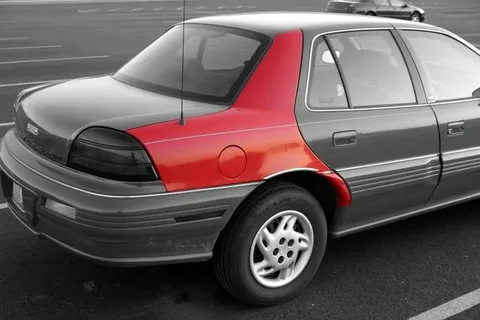
Your vehicle is more than just a machine it is a reflection of your personality and a significant financial investment. When the car right quarter panel paint gets scratched, dented, or faded, it affects your car’s overall appearance and resale value. Whether you experienced a minor parking lot collision or the paint simply wore off over time due to Ajman’s harsh sun and humid coastal climate, restoring the quarter panel paint is crucial for both aesthetics and protection against rust. In Ajman, more and more car owners are choosing professional auto body repair shops for quarter panel paint jobs because the results last longer, match perfectly, and protect the vehicle’s metal beneath. This guide covers everything you need to know from understanding what the right quarter panel is, to cost breakdowns, step-by-step repair processes, and how to choose the best auto painting service in Ajman. What Is the Right Quarter Panel on a Car? The right quarter panel is the body panel located on the rear right side of the vehicle, positioned between the rear door and the back bumper. It covers the rear wheel arch on the passenger side and forms a structural part of the car’s outer body shell. On sedans, SUVs, and hatchbacks, this panel is clearly visible and plays an important role in shaping the vehicle’s profile. The car right quarter panel paint on this section is especially vulnerable to damage because of its location near the rear tire. Road debris, stones, dust particles, and minor impacts from tight parking spaces can chip, scratch, or crack the paint layer. In a coastal city like Ajman, salt in the air also accelerates paint degradation and oxidation, making regular inspection and timely repairs even more important. Unlike the front quarter panel (located between the front door and the front bumper), the rear right quarter panel is typically more difficult to access for DIY repairs because it is integrated into the vehicle’s structural framework. Professional panel beaters and auto painters in Ajman understand the complexity of this area and use specialized tools to reshape, prime, paint, and blend it seamlessly with the rest of the car body. What Is the Rear Right Quarter Panel of a Car? The rear right quarter panel of a car refers specifically to the painted body section at the back-right of the vehicle. This is the same panel commonly referred to as the right rear quarter panel in automotive body repair language. It includes the area surrounding the rear wheel well on the right side and extends from the C-pillar (the rear vertical support column) to the back bumper. This panel is made from stamped sheet metal in most standard cars and serves both functional and aesthetic purposes. Functionally, it protects the rear wheel assembly from external debris. Aesthetically, it contributes to the smooth body lines and contours that define a car’s design language. When the car right quarter panel paint in this area gets damaged, it is not just about looks. Exposed metal will begin to rust, especially in the UAE where humidity and salt air from the Arabian Gulf create an aggressive environment for corrosion. That is why many vehicle owners in Ajman address panel paint issues quickly before they develop into more expensive structural problems. Common Causes of Quarter Panel Paint Damage in Ajman Understanding how damage occurs helps you take preventive steps and also helps you explain the situation clearly when you visit an auto body shop in Ajman. Here are the most frequent causes of car right quarter panel paint damage seen by local garages: How Much Does It Cost to Paint a Quarter Panel on a Car in Ajman? One of the most common questions vehicle owners ask is: how much to paint a quarter panel on a car? In Ajman, the cost depends on several factors including the size of the panel, the extent of the damage, the type of vehicle, the paint brand used, and the labour charges of the auto body shop. Here is a general breakdown: Service Type Approx. Cost (AED) Notes Minor scratch touch-up 150 – 300 AED Small scuffs only, colour matching included Single panel repaint (standard) 350 – 600 AED Full panel paint, primer & clear coat Quarter panel with dent repair 500 – 900 AED Panel beating + full repaint Pearl / metallic paint job 600 – 1,200 AED Premium paint materials required Full panel replacement + paint 1,500 – 3,000+ AED New OEM/aftermarket panel fitted & painted These figures are approximate and may vary between auto painting workshops in Ajman. It is always advisable to get at least two or three quotes before proceeding, and to ensure that the shop uses quality automotive paints such as PPG, Standox, or Sikkens for a factory-finish result that lasts longer and resists fading in the UAE heat. Can You Paint a Car Panel by Panel? Yes and this is actually the most professional and cost-effective approach to automotive paint restoration. Painting a car panel by panel means focusing on one damaged or faded section at a time rather than repainting the entire vehicle. This method is widely used by reputable auto body shops in Ajman because it saves time, reduces material cost, and allows for precision colour matching. When a skilled painter handles car right quarter panel paint repair, they do not just apply colour to the damaged area. They also carry out a process called blend painting where the fresh paint gradually transitions into the surrounding panels to create a seamless, invisible repair. Without this blending technique, you would see obvious colour differences between the newly painted panel and adjacent body sections, which looks unprofessional and reduces the car’s value. Modern computerised paint mixing systems allow technicians to match your car’s exact factory colour code. Every vehicle has a colour code stamped inside the door jamb or under the bonnet. A skilled auto painter in Ajman can use this code to mix the precise shade and replicate the finish whether
Car Radiator Flush and Clean: The Ultimate Guide for Every Vehicle Owner
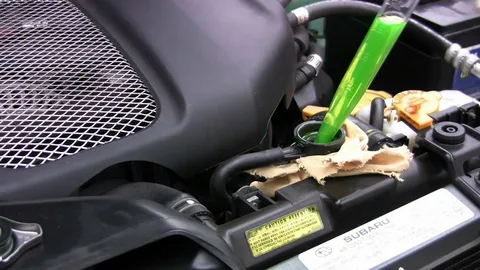
A car radiator flush and clean is one of the most important maintenance procedures that vehicle owners often overlook. The radiator plays a critical role in regulating engine temperature, preventing overheating, and ensuring optimal engine performance. Over time, rust, scale deposits, dirt, and contaminated coolant can accumulate inside the cooling system, reducing efficiency and potentially causing costly engine damage. Whether you drive a compact sedan, SUV, pickup truck, or luxury vehicle, understanding how to flush and clean your radiator can save you money on repairs while improving the overall health of your engine. In this comprehensive guide, we’ll explain everything you need to know about radiator flushing, including benefits, signs your radiator needs cleaning, step-by-step instructions, costs, and frequently asked questions. What Is a Car Radiator Flush and Clean? A radiator flush and clean is the process of removing old coolant, contaminants, rust particles, and debris from your vehicle’s cooling system. The procedure involves draining the existing coolant, flushing the system with water or a specialized radiator flush solution, and refilling it with fresh coolant. Unlike a simple coolant top-up, a complete radiator flush removes harmful deposits that can restrict coolant flow and reduce heat transfer efficiency. The cooling system consists of several components: A thorough radiator cleaning helps maintain all these components by ensuring clean coolant circulates freely throughout the system. Why Is a Radiator Flush Important? Many drivers underestimate the importance of cooling system maintenance. Fresh coolant not only prevents freezing and overheating but also contains additives that protect against corrosion and scale buildup. Key Benefits of a Car Radiator Flush and Clean 1. Prevents Engine Overheating Dirty coolant cannot efficiently transfer heat away from the engine. A clean radiator allows coolant to circulate properly and maintain optimal operating temperatures. 2. Improves Cooling Efficiency Removing sludge and debris restores the radiator’s ability to dissipate heat effectively. 3. Extends Engine Life Consistent operating temperatures reduce stress on engine components, helping them last longer. 4. Prevents Corrosion Old coolant loses its anti-corrosion properties over time, leading to rust formation inside the cooling system. 5. Enhances Fuel Efficiency An engine running at proper temperature generally performs more efficiently, which may contribute to improved fuel economy. 6. Reduces Repair Costs Regular radiator maintenance helps prevent expensive repairs such as: Signs Your Car Needs a Radiator Flush and Clean Several warning signs indicate your cooling system requires attention. Engine Overheating If your temperature gauge consistently rises above normal, contaminated coolant may be restricting heat transfer. Discolored Coolant Healthy coolant is usually bright green, orange, yellow, pink, or blue depending on the type. Brown or rusty coolant suggests contamination. Sweet Smell from the Engine Bay Coolant leaks often produce a sweet odor around the vehicle. Visible Rust or Debris Inspect the radiator cap area. Rust particles or sludge indicate internal contamination. Heater Performance Issues A clogged cooling system can affect cabin heating performance. Coolant Warning Light Many modern vehicles include cooling system warning indicators. Frequent Coolant Top-Ups If coolant levels drop frequently, there may be leaks or system contamination. How Often Should You Flush Your Radiator? The recommended interval depends on the manufacturer and coolant type. General Guidelines Always consult your vehicle owner’s manual for exact service intervals. Tools and Materials Needed Before starting a radiator flush and clean, gather the following: Using distilled water is highly recommended because it contains fewer minerals that can cause scale buildup. Step-by-Step Guide to Car Radiator Flush and Clean Step 1: Let the Engine Cool Never open the radiator cap on a hot engine. Wait until the vehicle has cooled completely. Step 2: Locate the Radiator Drain Valve Position a drain pan underneath the radiator and locate the drain valve or petcock. Step 3: Drain Old Coolant Open the drain valve carefully and allow all coolant to flow into the drain pan. Step 4: Close the Drain Valve Once drained, securely close the valve before proceeding. Step 5: Add Radiator Flush Solution Pour the radiator cleaning solution into the radiator according to manufacturer instructions. Step 6: Fill with Water Add distilled water until the radiator reaches the proper level. Step 7: Run the Engine Start the vehicle and allow it to reach operating temperature. This circulates the cleaning solution through the cooling system. Step 8: Shut Off and Cool Down Turn off the engine and allow it to cool completely. Step 9: Drain Again Drain the cleaning solution and contaminants from the radiator. Step 10: Repeat if Necessary Heavily contaminated systems may require multiple flushes. Step 11: Refill with Fresh Coolant Add the recommended coolant mixture for your vehicle. Step 12: Bleed Air from the System Some vehicles require bleeding procedures to remove trapped air pockets. Step 13: Check for Leaks Inspect all hoses, fittings, and connections for leaks. Common Causes of Radiator Contamination Understanding what causes contamination can help prevent future problems. Rust Formation Metal components inside the cooling system can rust when coolant additives degrade. Mineral Deposits Using hard water instead of distilled water can cause scale buildup. Coolant Breakdown Old coolant eventually loses its protective properties. Oil Contamination A damaged head gasket can allow oil to mix with coolant. External Debris Dirt, leaves, and insects can block airflow through radiator fins. DIY vs Professional Radiator Flush DIY Radiator Flush Advantages: Disadvantages: Professional Service Advantages: Disadvantages: Many repair shops use pressurized flushing equipment that can remove stubborn contaminants more effectively than basic DIY methods. How Much Does a Radiator Flush Cost? Costs vary depending on vehicle type and location. DIY Cost Typical range: Estimated total: $40–$100 Professional Cost Most repair facilities charge between: $80–$250 Luxury and heavy-duty vehicles may cost more. Best Practices for Maintaining a Clean Radiator Preventive maintenance is easier and cheaper than repairs. Inspect Coolant Regularly Check coolant color and level monthly. Use Manufacturer-Approved Coolant Always use coolant specified by your vehicle manufacturer. Keep Radiator Fins Clean Remove dirt and debris from the radiator’s exterior. Check Hoses Frequently Replace cracked or deteriorated hoses promptly. Monitor Engine Temperature Pay attention to temperature
How to Choose the Best Auto Electrical Shop Near Me Complete Guide
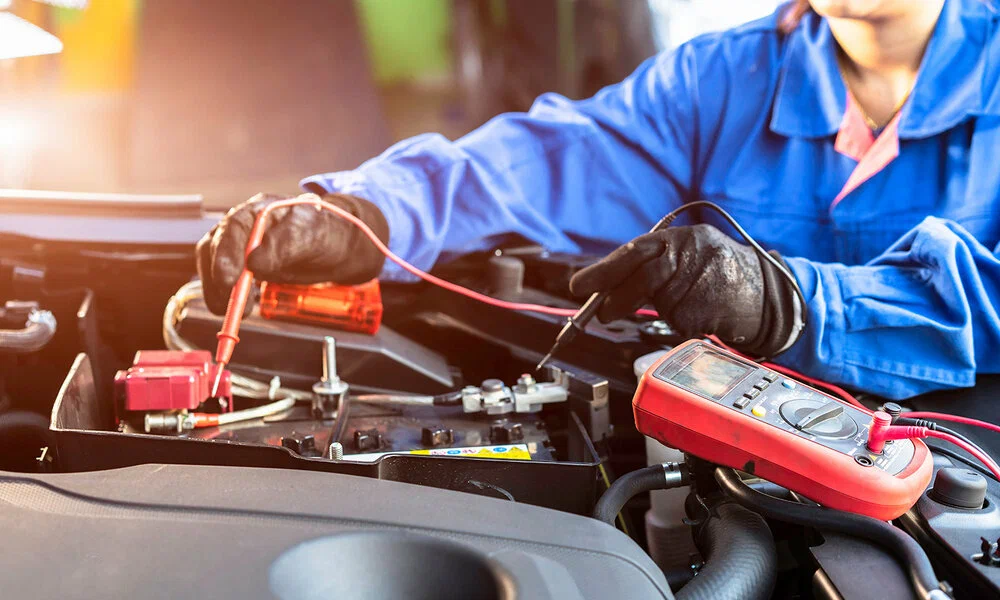
When your car suddenly refuses to start, your lights flicker for no reason, or your battery drains overnight — it’s a frustrating experience. And in most cases, it points directly to an electrical fault. Finding the right auto electrical shop near me in Ajman can feel overwhelming, especially if you don’t know what to look for or what questions to ask. This complete guide is here to help. We’ll walk you through everything — from spotting electrical problems early to choosing the right garage for your vehicle. If you’re based in Ajman or the surrounding UAE areas, Marwat Garage is a trusted name that local car owners rely on for honest, fast, and professional car electrical repair services. What Does an Auto Electrical Shop Actually Do? Many car owners underestimate just how much of their vehicle depends on electricity. From the engine management system to the central locking — almost everything connects back to your car’s electrical network. A professional auto electrical shop near me handles far more than just batteries and blown fuses. Here’s what a fully equipped car electrical shop near me typically covers: Today’s vehicles are essentially computers on wheels. A skilled car electrician understands both the mechanical and electronic sides of your car and uses specialized tools to pinpoint faults quickly — without guesswork. 5 Warning Signs You Need an Auto Electrical Shop Near Me Don’t wait until your car breaks down completely. Catching electrical faults early saves money and protects your safety on Ajman’s busy roads. 1. Your car won’t start : A clicking sound when you turn the key — or complete silence — usually points to a dying battery or failed starter motor. This needs immediate attention from a qualified auto electrician near me. 2. Warning lights stay on the dashboard : Check engine, battery, ABS, or airbag warning lights that stay lit are your car’s way of asking for professional help. These lights are directly tied to your vehicle’s electrical sensors and control units. 3. Headlights are dim or flickering : Dim or unstable headlights often indicate a failing alternator or a battery that’s struggling to hold charge. A professional offering car electrical services near me can run a quick alternator output test and tell you exactly what’s happening. 4. Electrical accessories stop working : Windows that won’t roll down, a radio that randomly cuts out, or power mirrors that stop responding — these are textbook signs of a wiring fault, blown fuse, or failing relay. 5. Burning smell or visible sparks : A burning smell from your dashboard or engine bay is a serious red flag. It typically means a short circuit is developing. Stop driving immediately and get your car to a car electrical repair near me without delay. How to Choose the Right Auto Electrical Shop in Ajman Not every workshop in Ajman is equipped to handle modern vehicle electrics. Here’s a practical checklist to help you find the right auto electrician for your needs. 1. Look for Genuine Electrical Expertise General mechanics are great for servicing and oil changes — but electrical faults require a completely different skill set and toolset. Always choose a shop that specifically offers car electrical repair as a core service, not just as an occasional add-on. Ask directly: “Do you have a certified auto electrician on-site?” A workshop such as Marwat Garage in Ajman has skilled technicians working daily, specializing in automotive electrical systems. 2. Verify They Have the Right Diagnostic Tools Modern vehicles need modern diagnostic equipment. Any serious auto electrical shop near me — including a walk-in auto electrical shop near me in Ajman — should have access to: Without these tools, mechanics are essentially guessing. With them, problems get diagnosed accurately — and fixed correctly the first time. 3. Ask About Experience With Your Car Brand Electrical systems can vary significantly between manufacturers. A car electrician who regularly works on your specific make — whether Toyota, Nissan, Mitsubishi, Honda, or a European brand — will be far more effective than someone unfamiliar with its architecture. Marwat Garage in Ajman handles a wide range of both Japanese and European vehicle brands, which makes it a practical first choice for most car owners across the emirate. 4. Read Reviews and Ask Locally Word of mouth still carries real weight. Ask friends, colleagues, or neighbors in Ajman which car electrician near me they use and trust. Google Maps reviews also provide an honest snapshot of real customer experiences. Look specifically for reviews that mention honest diagnosis, fair pricing, clear communication, and fast turnaround — not just generic five-star ratings. 5. Get a Clear, Written Quote Before Work Starts Any reputable car electrical shop near me will provide a transparent estimate before any work begins. Be cautious of garages that start disassembling your car without explaining the expected costs upfront. A trustworthy garage breaks the quote down clearly — parts, labor, VAT if applicable, and any contingencies. That transparency protects you and builds trust. 6. Ask About Warranty on Parts and Labor Professional garages stand behind the quality of their work. Before you commit, ask whether the car electrical repair comes with any warranty period. Even a 30 to 90-day guarantee on both parts and workmanship is a strong indicator that the shop is confident in what they do. Why Car Alternator Repair Should Never Be Delayed The alternator is the engine behind your car’s entire electrical ecosystem. While you drive, it continuously charges your battery and powers everything from your headlights to your infotainment system. When it starts to fail, the effects ripple across your whole vehicle quickly. Common symptoms of a failing alternator include: Car alternator repair is one of the most requested services at Marwat Garage — the go-to auto electrical shop near me for Ajman drivers. Drivers often mistake alternator failure for a simple dead battery — replace the battery — and then find it drains again within days. The root cause is always the alternator. Addressing this promptly
Does Automatic Transmission Cars Have Clutch? Explained by Marwat Garage Ajman
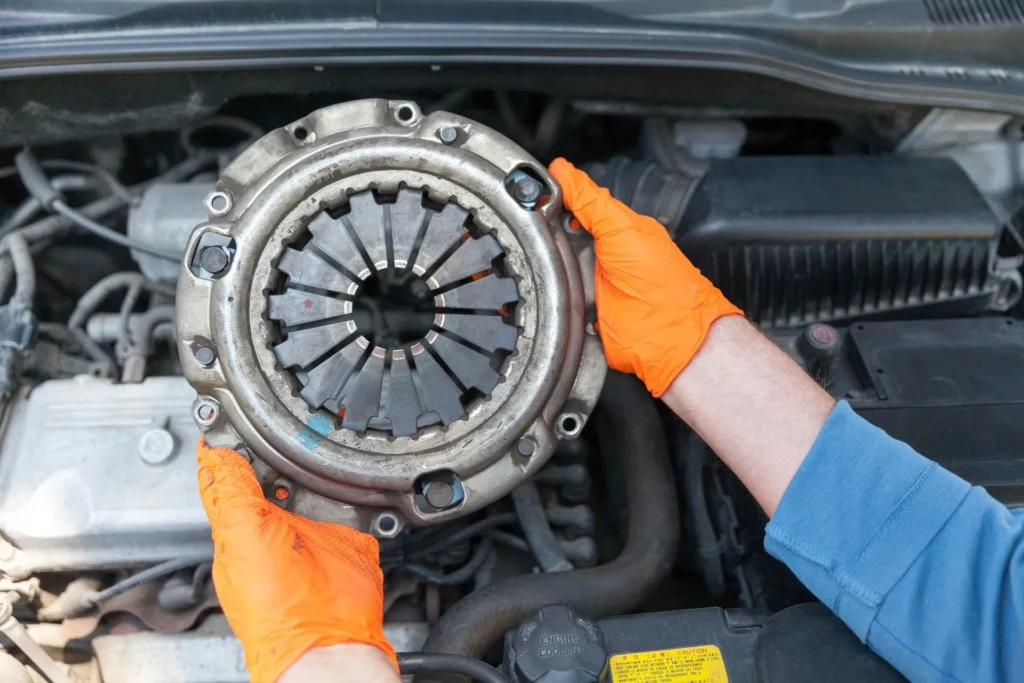
If you own a car in Ajman, especially an automatic transmission vehicle, you might have wondered: does automatic transmission cars have clutch? It’s a common question among car owners who are curious about how their vehicles operate and what makes automatic cars different from manuals. At Marwat Garage Ajman, we get this question frequently from our customers, and in this guide, we’ll explain everything you need to know in a clear, simple way. Understanding how a clutch works in automatic cars can help you maintain your vehicle better, avoid unnecessary repairs, and improve your driving experience. This article will also touch on dual clutch systems, manual vs automatic transmission clutches, and tips to keep your car in top shape. What is a Clutch in a Car? Before answering the main question, let’s understand what a clutch actually does. In any car, the clutch is a mechanical component that connects and disconnects the engine from the transmission. In manual cars, the driver presses the clutch pedal to change gears, allowing smooth power transfer from the engine to the wheels. Automatic cars, however, operate differently. While they don’t have a driver-operated clutch pedal, they still use internal clutch plates or torque converters to manage power transfer. This means the clutch exists inside the transmission, but the driver doesn’t need to engage it manually. Does Automatic Transmission Cars Have Clutch? Now to answer the main question: does automatic transmission cars have clutch? Yes, they do — but in a different way than manual cars. Instead of a pedal, automatic transmissions use either a torque converter or dual clutch system to manage the engagement and disengagement of gears. At Marwat Garage Ajman, we often service automatic cars with both types of systems. Many drivers in Ajman are surprised to learn that even though there’s no clutch pedal, clutch maintenance is still essential for smooth performance and long-term durability. How Does a Clutch Work in Automatic Cars? In automatic cars, the clutch operation is automatic, but it still performs the same function as in manual cars — connecting and disconnecting the engine’s power to the wheels. This automatic engagement reduces wear for drivers but requires periodic inspection, just like a manual clutch system. At our Car Garage Ajman, we inspect for worn clutch plates, torque converter leaks, and dual clutch transmission problems to avoid costly repairs. Types of Automatic Transmission Clutch Systems Automatic cars can have different clutch mechanisms depending on the transmission type: Torque Converter Automatic Dual Clutch Transmission (DCT) Automated Manual Transmission (AMT) Understanding the type of clutch system in your automatic car is important for maintenance, troubleshooting, and driving tips. At Marwat Garage Ajman, we offer guidance and maintenance specific to your vehicle’s transmission system. Common Questions About Automatic Clutches Even experienced drivers often ask: These questions show that while drivers don’t use a pedal, understanding the clutch system is essential for smooth operation and avoiding costly repairs. Signs Your Automatic Car Clutch Needs Attention Even though you don’t press a pedal, automatic clutches can wear out. Watch for these signs: If you notice any of these in your automatic car, bring it to Marwat Garage Ajman for a thorough inspection. We perform clutch repairs, dual clutch service, torque converter maintenance, and comprehensive transmission inspections. Maintenance Tips for Automatic Clutches Keeping your automatic clutch in top shape ensures longer life and smoother driving. Some tips include: Why Understanding Clutch Systems Matters for Car Owners in Ajman Many car owners in Ajman don’t realize that automatic cars still have clutches. Knowing how these systems work can help you: At Marwat Garage Ajman, we educate our customers about clutch systems and transmission care, so every driver knows how to protect their investment. How Marwat Garage Ajman Can Help At Marwat Garage Ajman, we specialize in automatic transmission maintenance, clutch repairs, and dual clutch servicing. Our team of experienced mechanics ensures your car’s clutch system is inspected, repaired, and maintained properly. Whether you have a standard automatic, AMT, or dual clutch car, we provide: Why Choose Marwat Garage Ajman? At Marwat Garage Ajman, we pride ourselves on being a trusted garage in Ajman, offering professional car repair and maintenance services for all types of vehicles. Our team of experienced technicians ensures that every repair is done efficiently and to the highest standard. Whether it’s AC service & repair, clutch and body part repairs, or car inspections, we handle each task with care and precision. Choosing us means you get a garage that not only fixes your car but also provides guidance and support to keep it running smoothly for years to come. Conclusion So, does automatic transmission cars have clutch? The answer is yes — automatic cars do have clutch mechanisms, but they operate differently from manual vehicles. Understanding how they work, the types of automatic clutches, and the signs of wear can help you maintain your car and prevent expensive repairs. If you’re in Ajman and want to check your automatic car’s clutch or transmission system, visit Marwat Garage Ajman. Our expert team provides reliable diagnostics, maintenance, and repairs to keep your car running smoothly and safely. FAQs 1. Does automatic transmission cars have clutch? Yes, automatic cars have clutches internally, such as torque converters or dual-clutch systems, even though there is no driver-operated clutch pedal. 2. How do I know if my automatic car clutch needs maintenance? Signs include slipping gears, delayed acceleration, unusual noises, burning smells, or jerky movements. 3. Do you repair both manual and automatic clutches? Absolutely! At Marwat Garage Ajman, we service and repair clutches for manual, automatic, AMT, and dual-clutch vehicles. 4. How often should I service my car’s clutch system? It depends on your car type and usage, but regular checks during routine maintenance are recommended to prevent costly repairs. 5. Can you handle other car repairs along with clutch services? Yes, we provide full-service repairs including AC, denting & painting, detailing, inspections, suspension, windshields, and more — all at one garage in Ajman. 6. Do